20 Sergeant William George Hardess
2nd Field Ambulance AAMC
By Robert Simpson 2025
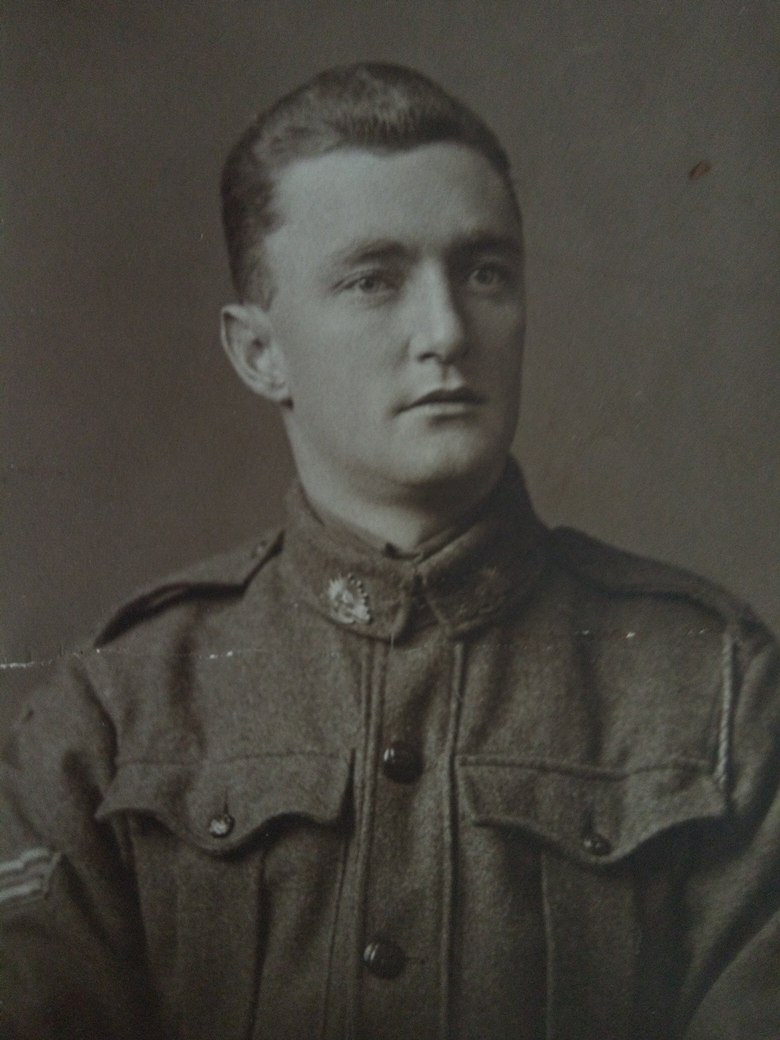 William George Hardess was born in Hotham, Victoria in 1888, a son to Charles William Hardess and Janet Gilchrist Pie. It was registered as 3903/1888 in Victoria Births, Deaths and Marriages. Charles had been born in Hotham, Victoria on 11 August 1858, a son to George Matthew Hardess and Mary Anne McCarthy. George had been born on 7 July 1828 in Little Missenden, Buckinghamshire, England and Mary had been born on 26 November 1834 in Bandon, County Cork, Ireland. They had married on 26 May 1855 in Melbourne. George had migrated to Australia in 1852 with his parents and family. Mary and her family had also emigrated sometime. George was a printer in 1856 and by 1868 he had become Reader of the Legislative Assembly. George died in 1909 and Mary in 1927. Charles was a glass stainer in 1903 and by the 1930’s he was recorded as a manufacturer in the electoral rolls. He died on 28 February 1949 in Glen Iris, Victoria and Janet had died on 21 July 1934 in the same place. The Argus (of Melbourne) on Tuesday 1 March 1949 in page 9 in the ‘CLASSIFIED SECTION
HARDESS. — On February 28, at the residence of his daughter, 8 Martin crescent, Glen Iris, Charles William, beloved husband of the late Janet Gilchrist, and loving father of William, Hilda (Mrs. Ellis), and the late Elsie, aged 90 years. William had two sisters, Hilda Jessie Hardess, born in 1890 in Hotham and Elsie Vera Hardess, born in 1903 in Hotham.’
Hilda married Ewart Gladstone Ellis (1888 to 1932) on 2 June 1917 in Victoria. They had two sons and she passed away on 19 December 1959 in Melbourne. Elsie married Ernest Collins Clark (1899 to 1961) in 1932 and they had one son in 1936 and a stillborn child in 1941. She died in 1941 in Carlton.
An article in the North Melbourne Courier and West Melbourne Advertiser on Friday 13 June 1902 in page 2 about the Boundary Road State School Concert included in the article that ‘Master Albert Morton, who was called on at almost an hour’s notice (through the indisposition of Master William Hardess) to take the character of the Woodman, did so with credit to himself, and the satisfaction of the audience.’
In the 1909 electoral roll, William is recorded as living at 17 Curran Street, North Melbourne and his occupation was a plumber. He was residing with his parents. The 1912 and 1913 rolls record the same details. His father was listed as a leadlight artist, his mother was doing home duties and his sister (Hilda Jessie) was a milliner. Even though he was serving, the 1914 to 1919 electoral rolls all show the same details for him and his family, although by the 1919 roll Hilda had moved.
William enlisted on 18 August 1914 with the Australian Imperial Force, with the 2nd Field Ambulance AMC as a private with the service number 20. His term of service was for the war and 4 months. On his attestation form he stated he had been born in Hotham, Melbourne. He was a natural born British Subject, 26 years old, and his trade was a plumber. William had never been an apprentice and he was unmarried. His next of kin was his parents at 17 Curran Street, North Melbourne. He had served with the Army Medical for 5 years and had not been discharged or rejected as unfit. William signed the oath of service the same day. He stated his age to be 26 years and 8 months, he was 5 foot 10½ inches tall, weighed 11 stone, had a chest measurement of 34½ to 39 inches, and had a fair complexion with brown eyes and fair hair. His religious denomination was Church of England. He had 2 vaccinations for distinctive marks. His medical certificate was signed the same day. William was appointed to Number 2 Field Ambulance in the Australian Army Medical Corps by the Commanding Officer on 4 September 1914 at Broadmeadows.
Army Form B103 was filled out in 1914, showing that 20 Sergeant William George Hardess enlisted in Melbourne on 18 August 1914. He was born in Hotham, Melbourne; he was a plumber by trade and his religion was Church of England. He was not an apprentice and was not married (later changed to yes). The whereabouts of his next of kin was listed as Australia, then later abroad. With the 2nd Field Ambulance, William was appointed Lance Sergeant (but no date is given). He was promoted to Sergeant on 28 September 1914. William embarked from Australia on 20 October 1914 per A18 Wiltshire. The embarkation roll for the 2nd Field Ambulance AMC confirms his details, age, his address as 17 Curran Street, North Melbourne and rank. His mother was listed as next of kin, at the same address. H was paid a daily rate of 10 shillings before embarkation and after he was deferring 2 shillings, allotting 6 shillings in Australia and having a net rate of 2 shillings and 6 pence.
William proceeded to join the Mediterranean Expeditionary Force at Gallipoli on 5 April 1915.
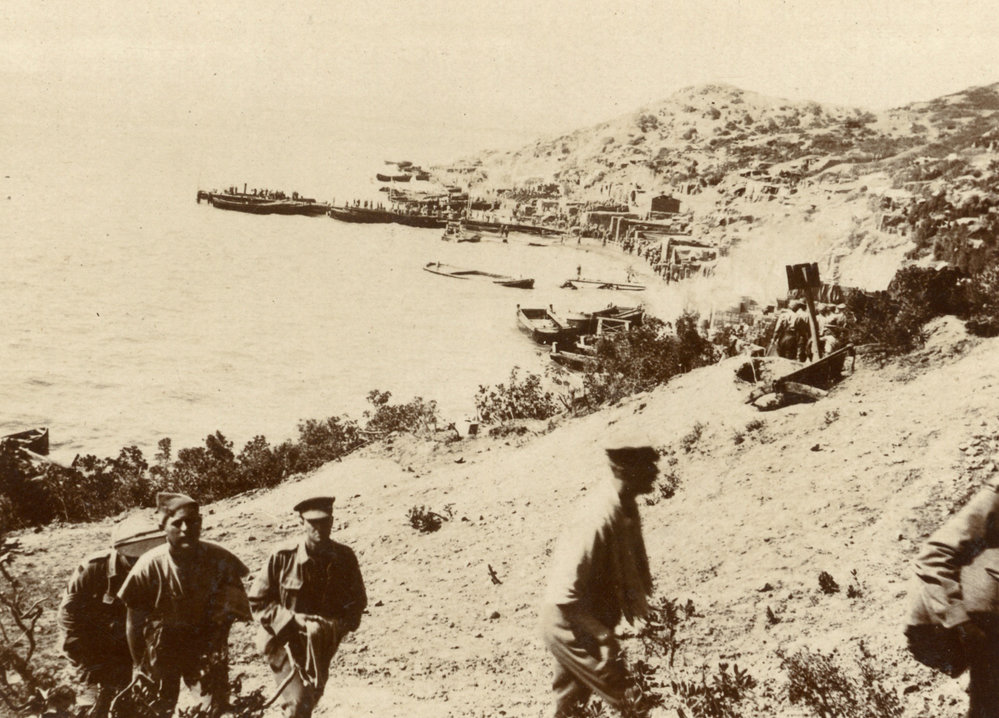
The war diary for the 2nd Field Ambulance AAMC AIEF is very sparce and starts on page 6 on 24 April where they sailed from Port Mudros and anchored off the north coast of Lemnos. The next day they sailed and anchored off Gaba Tepe, where some landed on the Gallipoli Peninsula and others stayed on the ship. They went to Imbros and then Lemnos before returning to Anzac, where they anchored and were converted into a temporary hospital ship. They received 404 casualties on board and then sailed for Alexandria on 1 May. The rest of the war diary up to June 1915 remains sparce of information, mainly deaths or woundings of staff and notifications of awards and that they set up a dressing station on Brighton Beach. June and July mention some awards and in August there is some mention of where they were and of staff returning (including Captain Honman on the 7th returning to duty from hospital). William is not mentioned in any of the diary up to the end of October, the only notes being at the end of the month which notes casualties ‘for the month of AUGUST have been nine other ranks wounded and 2 (two) other ranks killed.’ Also, under sickness was noted ‘Fifty two officers and other ranks of my command have been evacuated during the month of August on account of sickness.’
He was admitted to Anzac Hospital from 2nd Field Ambulance on 14 August 1915 and was then admitted to the 25th Casualty Clearing Station on Imbros the next day. On 8 September he was admitted to the No. 1 Australian Stationary Hospital on Lemnos. He was then admitted to the 2nd Southern Hospital at Portsmouth as sick (slight) on 26 September 1915.
On 15 October 1915 Base Records wrote to his father, reporting that they ‘regret reported son Sergeant W. G. Hardess admitted hospital Portsmouth sick. Will promptly advise if anything further received.’
On 9th December 1915 he was placed on the Supernumerary List of N.C.O.’s at Mudros, and attached to Convalescent Hospital at Woodcote Park, Epsom.
William was to be Temporary Quartermaster Sergeant with the 2nd Field Ambulance in England on 4 February 1916 at Woodcote Park, Epsom.
A note from the Deputy Commissioner, undated, reads Lance Corporal 10th F.C.E. Please furnish in Duplicate: – (1) B 103 (2) B 178 (3) Medical History Sheet.
He was Mentioned in Despatches in the London Gazette of 13 July 1916 on page 6955 at position 88 and the Commonwealth of Australia Gazette of 30 November 1916 on page 3234 at position 75 as Sergeant 20 with the 2nd Australian Field Ambulance AIF
In the Argus (of Melbourne) of Saturday 22 July 1916 in page 20, in the Personal section was a note: ‘In the list of Australians mentioned in despatches published in “The Argus” of July 14 was included the name of Sergeant W. Hardess, of the Army Medical Corps. The name was wrongly spelled “Hardress.” His parents reside at 17 Curran street, North Melbourne’.
He was recommended for honours by H. G. Chauvel, the Major General Commanding the 1st Australian Division, for work at Anzac on 8 August 1915 where ‘Under Capt. Honman did excellent work and gallant service in helping to get the wounded away under very heavy fire from the enemy. Left Anzac 14-8-15.’ In the order of merit in the nominal roll for other ranks he was placed at number 20 and listed as Sergeant 20 W G Hardess 2nd Field Ambulance. The roll was dated 14 January 1916. In the Recommendation file for honours and awards, AIF, 1914-18 War, 1st Australian Division, 1915 Part 1 William is listed under Australian Army Medical Corps as number 2 with number 1 being Captain A V Honman, both of the 2nd Field Ambulance.
William reverted to the rank of Sergeant on 16 November 1916 at Epsom.
Base Records Office AIF wrote to Mr Hardess of 17 Curran Street, North Melbourne, Victoria on 4 December 1916. They had ‘much pleasure in forwarding herewith copy of extract from Fourth Supplement No. 29664, to the London Gazette of 11th July, 1916, relating to the conspicuous services rendered by your son, No. 20 Sergeant W. G. Hardess, 2nd Field Ambulance.’ He had been Mentioned in Despatches with ‘reference to the despatch published on the 10th April, the following are mentioned for distinguished and gallant services rendered during the period of General Sir Charles Munro’s Command of the Mediterranean Expeditionary Force :- No. 20 Sergeant WILLIAM GEORGE HARDESS.’ ‘The above has been promulgated in Commonwealth of Australia Gazette, No. 176, of 30th November, 1916.’
He was discharged from Woodcote Park on 15 December 1916 to Fur.Rep. Headquarters until 2 January 1917. While with AAMC Details he was attached for duty with Australian Convalescent Home Cobham Hall at Kent on 24 July 1917. (Another record says on 26 July and another says 27 July)
On 29 January 1918 he was with the 2nd Field Ambulance in London.
AIF form 527 was filled out as a certified extract of a marriage certificate relating to 20 Sergeant William George Hardess of the 2nd Field Ambulance. The bridegroom was listed as living at Cobham Hall, Cobham; with an occupation of A.I.F., age 30, condition Batchelor and his father was Charles William Hardess, a designer. His bride was recorded as Hilda Mary Durling of 18 Christ Church Road, age 21 and a spinster. Her father was Arthur Durling, a Clerk. The marriage was registered in the District of Milton, and “solemnized at The Parish Church according to the rites and Ceremonies of Established Church by License”. They were married by Rector G A Mennie on 20 November 1918. The Registrar’s reference was number 28.
William was detached from attached duty with Australian Convalescent Home on 21 December 1918 and marched out to Headquarters AIF for embarkation from England for 1914 leave to Australia and returned to Australia per Miltiades on the same date. The nominal roll confirms the date of return. His next of kin was advised of his return on 17 January 1919. They arrived back in Australia in the 3rd Military District on 8 February 1919.
War Office List dated 27 March 1919 stated he was brought to the notice of Secretary of State for War for valuable services rendered (War Office List dated 27.3.19). A line above it, linked to it, reads ‘Entry received subsequent to dispatch of B103.’
As a Sergeant with the 2nd Field Ambulance, William was discharged in the 3rd Military District on 9 April 1919.
The Assistance Section of the Department of Repatriation wrote a letter to the Officer in Charge at Base Records on 10 April 1919 ‘Re No. 20, Sgt. WILLIAM GEORGE HARDESS, 2nd A.A.M.C. 17 Curran Street, North Melbourne. The above named returned solider has applied to this office for a refund of his wife’s passage money from England to Australia. I shall be glad if you will let me know if the regimental particulars, as above, are correct, also any record of his marriage that you may have in your office.’ They received it the next day.
A letter from the Officer Commanding Base Records on 12 April 1919 to The Deputy Comptroller, Department of Repatriation, Wellington Parade South, Jolimont, Victoria read ‘I have to acknowledge receipt of your communication of the 10th instant, R53943 (Assistance Section) and to state that records are held for No. 20 Sergeant William George HARDESS, 2nd Field Ambulance, A.M.C., who returned to Australia per H.T. “Miltiades.” Next-of-kin is shown as Wife resident in England.’
William has two service record files at National Archives Australia under B73 M53943 Hardess, W G Access status: Not yet examined Location: Melbourne 1914 – 1975 25403034 and B73 H53943 Hardess, W G Access status: Not yet examined Location: Melbourne 1914 – 1975 25403035.
His service records have a handwritten note in them, written on a Base Records Inquiry form, dated in April 1919, which gives all his service details and his address and say something about ‘Lodge Certificate’. A reply from Base Records to him on 22 April 1919 says ‘In response to your personal request I have to state that the record of your period of incapacitation is incomplete, but upon receipt of the final confirming documents, which should contain the necessary information, certificate will be forwarded to you.’
A note written on 10 June 1919 to Mr W G Hardess of 17 Curran Street North Melbourne read ‘No. 20, Sergeant William George Hardess, 2nd Field Ambulance, Australian Imperial Force, was :- 14/8/15 Admitted to Hospital, Anzac. 15/8/15 Transferred to 25th Casualty Clearing Station, Imbros. 8/9/15 Transferred to No. 1 Australian Stationary Hospital, Lemnos. 26/9/15 Transferred to 5th Southern General Hospital, Portsmouth, England. 4/2/16 Returned to duty. 21/12/18 Left England for return to Australia per Hospital Transport “Miltiades.” 8/2/19 Reached Melbourne – 1914 Leave. 9/4/19 Discharged from the Australian Imperial Force.’
On 24 April 1920, William signed for his 1914-15 Star, and indicated he had been No. 20 Staff Sergeant in the AAMC. The form was for the Australian Military Forces in the 3rd Military District. The form for his British War Medal was signed by him on 3 June 1921, but noted his rank as Sergeant. He signed for his Victory Medal on 21 June 1922 with the same details. They were all done in Melbourne.
William filled out the receipt for ‘two oak leaves (one large and one small) – Mentioned in Despatches emblem’ on 1 October 1920. They had been sent to him on 26 August 1920.
A letter from the Officer Commanding Base Records to Mr W G Hardess of “Cobham”, 49 Essex Road in Surrey Hills, Victoria on 9 October 1920 read ‘I have to acknowledge receipt of your communication dated 1st October together with receipt for Oak Leaves, and to state there is no record to date that you have been awarded the Meritorious Service Medal. Should such information be received you will be notified. Your change of address has been noted.’ William had written a letter to them, which they received on 6 October. He said ‘Please find enclosed slip for emblem received. Could you also inform me at your convenience if I was granted M.S.M. I was recommended for it about end of 1918 & noticed in daily papers about June or later 1919 that it had been approved of or being recommended by the King, also please note change of address to above. I notified BR about 8 months but correspondence is still send (sic) to old address.’ The change of address was noted on 8 October and the receipt for his emblems was detached that day. In blue pencil was written the words ‘no record’ presumable for the Meritorious Service Medal.
His Mentioned in Despatches certificate was sent to him on 29 June 1921.
The 1921 City Directory has him recorded at 40 Essex Road, Surrey Hills. The 1922 electoral roll had William and Hilda (his wife) living at Riversdale Road, Surrey Hills and he was a plumber and she was doing home duties. The same information was recorded in the 1924, 1927, 1928, 1931, 1936 and 1937 rolls; and in the 1925 and 1926 Australian Directories. In the 1933, 1938 and 1942 Victorian Directories, their address was recorded as 416 Riversdale Road, Surrey Hills. The 1939 Australian electoral roll has their full address and other details were the same; as does the 1941, 1943, 1946, 1949 and 1954 rolls. By the 1963 roll, they were living at 10 Doulton Road, Blackburn and he was an inspector. The 1968 roll has the same details.
A duplicate of a form filled out on 14 February 1928 with and address of ‘St Kilda Road Melbourne’ and reference of ‘R53943.C.28731.’ for ‘20 Sgt. Hardess W.G. 2FAmb.’ listed BR Card, B103., A.P., D2 (2), 1.1237, A2D Card (4). Another undated duplicate listed 20 Sergeant W G Hardess of 2nd Field Ambulance, whose next of kin was his parents of 17 Curran Street, North Melbourne.
On 12 November 1930, William filled out a statutory declaration, stating his address as 418 Riverdale Road Surrey Hills. He had served in the Australian Imperial Force as a Sergeant with the regimental number 20 in the 2nd Field Ambulance and he had lost the “Badge” issued to him by the Defence Department. William wrote the badge “was removed from my coat, whilst I was working on roof of building at M. C. E. Grammar School about 2pm about 27 March 1926. The theft was reported to Police Department at St Kilda Road & description of man given to them.” He filled out the rest of the declaration and signed it with a J.P. A handwritten note on the page stated the badge was issued on 13 November 1930. William signed the receipt for the badge on the same day.
Later on in life he was an Essendon City Health Inspector and president of the Victorian branch of the Health Inspectors’ Association as noted in articles below.
The Herald (of Melbourne) on Monday 26 June 1944 in page 6 had ‘FINED FOR NOT COLORING WASTE BEER!
Charged with having allowed waste beer to be on her premises in a container which did not contain sufficient coloring matter to give it a distinct violet color, Mrs D. M. Dugan, of the Royal Hotel, Mount Alexander Road, Essendon. was fined £1 with £1/1/ costs in the Essendon Court today. William George Hardess, Essendon health officer, said he went, to the hotel at 4.15 p.m. on April 28 when beer was being served in the bar. The licensee’s husband (Mr Dugan) said he was in charge, his wife being absent. On being asked if there was any methyl violet in the drip-trays. Dugan said “I know there should I be. but I am only home on leave and have not had time to put any in.” Four drip trays were found in the bar, two of them containing beer. Cross-examined, Hardess said there was a trace of coloring in the trays showing that methyl violet had been put in them at some time.
UNCLEAN YARD Charged with having suffered to exist in a yard a condition which was offensive at the rear of his house, W. Yelland, of Hopetoun (Street. Moonie Ponds, was fined l0/ with £1/1/ costs. Hardess gave evidence of a visit to Yelland’s home on May 12. In the backyard, which measured 70ft. by 32ft., were 70 fowls, 60 ducks and three dogs mixed together. The yard was muddy and “in such a state that it could not be cleaned.” It extended right up to the house and was divided into small sections, but no runs nor houses were provided for the birds.
SHEEP CARCASES On a charge of having suffered to exist on land in Ascot Vale a condition which was offensive J. Hughes, of Mirams Street, Ascot Vale, was fined £3 with £1/1/ (costs. I Hardess told the court that he inspected a block of land at the west end of Doncaster Street, Ascot Vale, on May 17 with Hughes, who said he was in charge of the 16 sheep on it. Under bushes 23 sheep carcasses in different stages of putrefaction were found. Bones; were protruding from the skins of some. The skin from one car case was found, and Hughes said he had used the car case to feed the dogs, but later it was discovered that it had been thrown on a nearby allotment. Hughes said, “I did not think it was doing any harm as it is a good distance from any other property.” He had since burned the offending carcasses.’
In the Age (of Melbourne) of Tuesday 28 September 1948 in page 3 was: ‘Compulsory Bread Wrapping Sought
The Health Inspectors’ Association will continue its agitation for the compulsory, mechanical wrapping of bread in the factory.
The president of the Victorian branch (Mr. W. G. Hardess) said this in his presidential address at the opening of the annual conference yesterday. Every time the association pointed out the various ways in which unwrapped bread could be contaminated during delivery, I heard the same cry, “the cost would be too high” or “the time is inopportune,” he said. But what did the cost mean when the health of the community was at stake? Mr. Hardess regretted that regulations to provide for Improved methods of conveying meat from the abattoirs to the shop had been postponed. Referring to the campaign against tuberculosis, he said the response by the public in those districts where it had been carried out had exceeded all expectations. The senior veterinary officer of the. Department of Agriculture (Mr. A. R. Grayson) said tuberculosis could not be controlled in the human family unless it was controlled in cattle. The susceptibility of humans to the bovine type of T.B. was greatest during the early years of life, and 30 per cent, of all cases in children were of bovine origin. The transmission was generally due to infected milk. It was hoped, he said, that in the fairly near future, the milk supply to all towns in Victoria would be T.B. tested. Approximately 80 per cent, of cattle supplying milk to the metropolitan area were under test.’
The Herald (of Melbourne) on Friday 16 September 1949 in page 8 had:
‘Bread Carters Fined Under Health Rule
Two bread carters were fined £1 each, with £1/3/ costs, in the Moonee Ponds Court today for breaches of the health regulations. They were Thomas Gallagher, of Buckley Street,’ Moonee Ponds, and Archibald Garbutt, of York Street, South Melbourne. Each man was charged that, having been “a person engaged in the delivery of food liable to contamination he did fail to wear a clean washable overall, which would effectively prevent such food from coming into contact with any portion of his ordinary clothing; contrary to the Cleanliness of Food Regulations.” William George Hardess, an Essendon City Council Health Inspector, said both men were without overalls while delivering bread in Essendon on August 8 and August 10. Gallagher told him he was waiting for material to have overalls made. Garbutt said he didn’t know he had to have overalls.’
In The Age (of Melbourne) on Thursday 18 September 1952 in page 5 was: ‘Butcher Wins on New Plea
Failure of the prosecution to prove than an analyst was approved by the Health Commission led to the dis missal in Essendon court, yesterday of two charges of selling adulterated meat.
Mr. O’Connor, S.M., agreed with a submission by Mr. B. Tierney (for the de fence) that the prosecution had not proved the analyst was approved to make an analysis of meat. Legal circles said it was believed to be the first occasion on which such a sub mission had been made and upheld in proceedings under the Health Act. The defendant, J. H. Beaumont. butcher, of Glass-street, Essendon, was prosecuted by Essendon council on a charge of selling manufactured meat containing a 5 per cent, excess of preservative and selling sausage meat with a 20 per cent, deficiency of meat. The council health inspector, William George Hardess, said he had submitted samples of manufactured meat and sausage meat taken from Beaumont’s shop to Mattie Kathleen Evans for analysis. In two previous cases, R. J. Gilbertson Pty. Ltd., butchers, of Keilor-road, Essendon, were fined £15 for having sold sausages with a 14 per cent, deficiency of meat, and £10, with £2 6/3 costs, for having sold pork mince sausage meat with an 8 per cent., deficiency of meat.’
A form filled out by Base Records Office in Canberra on 17 July 1956 to the Deputy Commissioner, Repatriation Department in Melbourne, with reference FHC:EW (R) for 20 Hardess W. G. of 2nd Field Ambulance indicated “No further S/Documents”, with all the document list crossed out.
William George Hardess was born in Hotham, Victoria in 1888, a son to Charles William Hardess and Janet Gilchrist Pie. It was registered as 3903/1888 in Victoria Births, Deaths and Marriages. Charles had been born in Hotham, Victoria on 11 August 1858, a son to George Matthew Hardess and Mary Anne McCarthy. George had been born on 7 July 1828 in Little Missenden, Buckinghamshire, England and Mary had been born on 26 November 1834 in Bandon, County Cork, Ireland. They had married on 26 May 1855 in Melbourne. George had migrated to Australia in 1852 with his parents and family. Mary and her family had also emigrated sometime. George was a printer in 1856 and by 1868 he had become Reader of the Legislative Assembly. George died in 1909 and Mary in 1927. Charles was a glass stainer in 1903 and by the 1930’s he was recorded as a manufacturer in the electoral rolls. He died on 28 February 1949 in Glen Iris, Victoria and Janet had died on 21 July 1934 in the same place. The Argus (of Melbourne) on Tuesday 1 March 1949 in page 9 in the ‘CLASSIFIED SECTION
HARDESS. — On February 28, at the residence of his daughter, 8 Martin crescent, Glen Iris, Charles William, beloved husband of the late Janet Gilchrist, and loving father of William, Hilda (Mrs. Ellis), and the late Elsie, aged 90 years. William had two sisters, Hilda Jessie Hardess, born in 1890 in Hotham and Elsie Vera Hardess, born in 1903 in Hotham.’
Hilda married Ewart Gladstone Ellis (1888 to 1932) on 2 June 1917 in Victoria. They had two sons and she passed away on 19 December 1959 in Melbourne. Elsie married Ernest Collins Clark (1899 to 1961) in 1932 and they had one son in 1936 and a stillborn child in 1941. She died in 1941 in Carlton.
An article in the North Melbourne Courier and West Melbourne Advertiser on Friday 13 June 1902 in page 2 about the Boundary Road State School Concert included in the article that ‘Master Albert Morton, who was called on at almost an hour’s notice (through the indisposition of Master William Hardess) to take the character of the Woodman, did so with credit to himself, and the satisfaction of the audience.’
In the 1909 electoral roll, William is recorded as living at 17 Curran Street, North Melbourne and his occupation was a plumber. He was residing with his parents. The 1912 and 1913 rolls record the same details. His father was listed as a leadlight artist, his mother was doing home duties and his sister (Hilda Jessie) was a milliner. Even though he was serving, the 1914 to 1919 electoral rolls all show the same details for him and his family, although by the 1919 roll Hilda had moved.
William enlisted on 18 August 1914 with the Australian Imperial Force, with the 2nd Field Ambulance AMC as a private with the service number 20. His term of service was for the war and 4 months. On his attestation form he stated he had been born in Hotham, Melbourne. He was a natural born British Subject, 26 years old, and his trade was a plumber. William had never been an apprentice and he was unmarried. His next of kin was his parents at 17 Curran Street, North Melbourne. He had served with the Army Medical for 5 years and had not been discharged or rejected as unfit. William signed the oath of service the same day. He stated his age to be 26 years and 8 months, he was 5 foot 10½ inches tall, weighed 11 stone, had a chest measurement of 34½ to 39 inches, and had a fair complexion with brown eyes and fair hair. His religious denomination was Church of England. He had 2 vaccinations for distinctive marks. His medical certificate was signed the same day. William was appointed to Number 2 Field Ambulance in the Australian Army Medical Corps by the Commanding Officer on 4 September 1914 at Broadmeadows.
Army Form B103 was filled out in 1914, showing that 20 Sergeant William George Hardess enlisted in Melbourne on 18 August 1914. He was born in Hotham, Melbourne; he was a plumber by trade and his religion was Church of England. He was not an apprentice and was not married (later changed to yes). The whereabouts of his next of kin was listed as Australia, then later abroad. With the 2nd Field Ambulance, William was appointed Lance Sergeant (but no date is given). He was promoted to Sergeant on 28 September 1914. William embarked from Australia on 20 October 1914 per A18 Wiltshire. The embarkation roll for the 2nd Field Ambulance AMC confirms his details, age, his address as 17 Curran Street, North Melbourne and rank. His mother was listed as next of kin, at the same address. H was paid a daily rate of 10 shillings before embarkation and after he was deferring 2 shillings, allotting 6 shillings in Australia and having a net rate of 2 shillings and 6 pence.
William proceeded to join the Mediterranean Expeditionary Force at Gallipoli on 5 April 1915.
The war diary for the 2nd Field Ambulance AAMC AIEF is very sparce and starts on page 6 on 24 April where they sailed from Port Mudros and anchored off the north coast of Lemnos. The next day they sailed and anchored off Gaba Tepe, where some landed on the Gallipoli Peninsula and others stayed on the ship. They went to Imbros and then Lemnos before returning to Anzac, where they anchored and were converted into a temporary hospital ship. They received 404 casualties on board and then sailed for Alexandria on 1 May. The rest of the war diary up to June 1915 remains sparce of information, mainly deaths or woundings of staff and notifications of awards and that they set up a dressing station on Brighton Beach. June and July mention some awards and in August there is some mention of where they were and of staff returning (including Captain Honman on the 7th returning to duty from hospital). William is not mentioned in any of the diary up to the end of October, the only notes being at the end of the month which notes casualties ‘for the month of AUGUST have been nine other ranks wounded and 2 (two) other ranks killed.’ Also, under sickness was noted ‘Fifty two officers and other ranks of my command have been evacuated during the month of August on account of sickness.’
He was admitted to Anzac Hospital from 2nd Field Ambulance on 14 August 1915 and was then admitted to the 25th Casualty Clearing Station on Imbros the next day. On 8 September he was admitted to the No. 1 Australian Stationary Hospital on Lemnos. He was then admitted to the 2nd Southern Hospital at Portsmouth as sick (slight) on 26 September 1915.
On 15 October 1915 Base Records wrote to his father, reporting that they ‘regret reported son Sergeant W. G. Hardess admitted hospital Portsmouth sick. Will promptly advise if anything further received.’
On 9th December 1915 he was placed on the Supernumerary List of N.C.O.’s at Mudros, and attached to Convalescent Hospital at Woodcote Park, Epsom.
William was to be Temporary Quartermaster Sergeant with the 2nd Field Ambulance in England on 4 February 1916 at Woodcote Park, Epsom.
A note from the Deputy Commissioner, undated, reads Lance Corporal 10th F.C.E. Please furnish in Duplicate: – (1) B 103 (2) B 178 (3) Medical History Sheet.
He was Mentioned in Despatches in the London Gazette of 13 July 1916 on page 6955 at position 88 and the Commonwealth of Australia Gazette of 30 November 1916 on page 3234 at position 75 as Sergeant 20 with the 2nd Australian Field Ambulance AIF
In the Argus (of Melbourne) of Saturday 22 July 1916 in page 20, in the Personal section was a note: ‘In the list of Australians mentioned in despatches published in “The Argus” of July 14 was included the name of Sergeant W. Hardess, of the Army Medical Corps. The name was wrongly spelled “Hardress.” His parents reside at 17 Curran street, North Melbourne’.
He was recommended for honours by H. G. Chauvel, the Major General Commanding the 1st Australian Division, for work at Anzac on 8 August 1915 where ‘Under Capt. Honman did excellent work and gallant service in helping to get the wounded away under very heavy fire from the enemy. Left Anzac 14-8-15.’ In the order of merit in the nominal roll for other ranks he was placed at number 20 and listed as Sergeant 20 W G Hardess 2nd Field Ambulance. The roll was dated 14 January 1916. In the Recommendation file for honours and awards, AIF, 1914-18 War, 1st Australian Division, 1915 Part 1 William is listed under Australian Army Medical Corps as number 2 with number 1 being Captain A V Honman, both of the 2nd Field Ambulance.
William reverted to the rank of Sergeant on 16 November 1916 at Epsom.
Base Records Office AIF wrote to Mr Hardess of 17 Curran Street, North Melbourne, Victoria on 4 December 1916. They had ‘much pleasure in forwarding herewith copy of extract from Fourth Supplement No. 29664, to the London Gazette of 11th July, 1916, relating to the conspicuous services rendered by your son, No. 20 Sergeant W. G. Hardess, 2nd Field Ambulance.’ He had been Mentioned in Despatches with ‘reference to the despatch published on the 10th April, the following are mentioned for distinguished and gallant services rendered during the period of General Sir Charles Munro’s Command of the Mediterranean Expeditionary Force :- No. 20 Sergeant WILLIAM GEORGE HARDESS.’ ‘The above has been promulgated in Commonwealth of Australia Gazette, No. 176, of 30th November, 1916.’
He was discharged from Woodcote Park on 15 December 1916 to Fur.Rep. Headquarters until 2 January 1917. While with AAMC Details he was attached for duty with Australian Convalescent Home Cobham Hall at Kent on 24 July 1917. (Another record says on 26 July and another says 27 July)
On 29 January 1918 he was with the 2nd Field Ambulance in London.
AIF form 527 was filled out as a certified extract of a marriage certificate relating to 20 Sergeant William George Hardess of the 2nd Field Ambulance. The bridegroom was listed as living at Cobham Hall, Cobham; with an occupation of A.I.F., age 30, condition Batchelor and his father was Charles William Hardess, a designer. His bride was recorded as Hilda Mary Durling of 18 Christ Church Road, age 21 and a spinster. Her father was Arthur Durling, a Clerk. The marriage was registered in the District of Milton, and “solemnized at The Parish Church according to the rites and Ceremonies of Established Church by License”. They were married by Rector G A Mennie on 20 November 1918. The Registrar’s reference was number 28.
William was detached from attached duty with Australian Convalescent Home on 21 December 1918 and marched out to Headquarters AIF for embarkation from England for 1914 leave to Australia and returned to Australia per Miltiades on the same date. The nominal roll confirms the date of return. His next of kin was advised of his return on 17 January 1919. They arrived back in Australia in the 3rd Military District on 8 February 1919.
War Office List dated 27 March 1919 stated he was brought to the notice of Secretary of State for War for valuable services rendered (War Office List dated 27.3.19). A line above it, linked to it, reads ‘Entry received subsequent to dispatch of B103.’
As a Sergeant with the 2nd Field Ambulance, William was discharged in the 3rd Military District on 9 April 1919.
The Assistance Section of the Department of Repatriation wrote a letter to the Officer in Charge at Base Records on 10 April 1919 ‘Re No. 20, Sgt. WILLIAM GEORGE HARDESS, 2nd A.A.M.C. 17 Curran Street, North Melbourne. The above named returned solider has applied to this office for a refund of his wife’s passage money from England to Australia. I shall be glad if you will let me know if the regimental particulars, as above, are correct, also any record of his marriage that you may have in your office.’ They received it the next day.
A letter from the Officer Commanding Base Records on 12 April 1919 to The Deputy Comptroller, Department of Repatriation, Wellington Parade South, Jolimont, Victoria read ‘I have to acknowledge receipt of your communication of the 10th instant, R53943 (Assistance Section) and to state that records are held for No. 20 Sergeant William George HARDESS, 2nd Field Ambulance, A.M.C., who returned to Australia per H.T. “Miltiades.” Next-of-kin is shown as Wife resident in England.’
William has two service record files at National Archives Australia under B73 M53943 Hardess, W G Access status: Not yet examined Location: Melbourne 1914 – 1975 25403034 and B73 H53943 Hardess, W G Access status: Not yet examined Location: Melbourne 1914 – 1975 25403035.
His service records have a handwritten note in them, written on a Base Records Inquiry form, dated in April 1919, which gives all his service details and his address and say something about ‘Lodge Certificate’. A reply from Base Records to him on 22 April 1919 says ‘In response to your personal request I have to state that the record of your period of incapacitation is incomplete, but upon receipt of the final confirming documents, which should contain the necessary information, certificate will be forwarded to you.’
A note written on 10 June 1919 to Mr W G Hardess of 17 Curran Street North Melbourne read ‘No. 20, Sergeant William George Hardess, 2nd Field Ambulance, Australian Imperial Force, was :- 14/8/15 Admitted to Hospital, Anzac. 15/8/15 Transferred to 25th Casualty Clearing Station, Imbros. 8/9/15 Transferred to No. 1 Australian Stationary Hospital, Lemnos. 26/9/15 Transferred to 5th Southern General Hospital, Portsmouth, England. 4/2/16 Returned to duty. 21/12/18 Left England for return to Australia per Hospital Transport “Miltiades.” 8/2/19 Reached Melbourne – 1914 Leave. 9/4/19 Discharged from the Australian Imperial Force.’
On 24 April 1920, William signed for his 1914-15 Star, and indicated he had been No. 20 Staff Sergeant in the AAMC. The form was for the Australian Military Forces in the 3rd Military District. The form for his British War Medal was signed by him on 3 June 1921, but noted his rank as Sergeant. He signed for his Victory Medal on 21 June 1922 with the same details. They were all done in Melbourne.
William filled out the receipt for ‘two oak leaves (one large and one small) – Mentioned in Despatches emblem’ on 1 October 1920. They had been sent to him on 26 August 1920.
A letter from the Officer Commanding Base Records to Mr W G Hardess of “Cobham”, 49 Essex Road in Surrey Hills, Victoria on 9 October 1920 read ‘I have to acknowledge receipt of your communication dated 1st October together with receipt for Oak Leaves, and to state there is no record to date that you have been awarded the Meritorious Service Medal. Should such information be received you will be notified. Your change of address has been noted.’ William had written a letter to them, which they received on 6 October. He said ‘Please find enclosed slip for emblem received. Could you also inform me at your convenience if I was granted M.S.M. I was recommended for it about end of 1918 & noticed in daily papers about June or later 1919 that it had been approved of or being recommended by the King, also please note change of address to above. I notified BR about 8 months but correspondence is still send (sic) to old address.’ The change of address was noted on 8 October and the receipt for his emblems was detached that day. In blue pencil was written the words ‘no record’ presumable for the Meritorious Service Medal.
His Mentioned in Despatches certificate was sent to him on 29 June 1921.
The 1921 City Directory has him recorded at 40 Essex Road, Surrey Hills. The 1922 electoral roll had William and Hilda (his wife) living at Riversdale Road, Surrey Hills and he was a plumber and she was doing home duties. The same information was recorded in the 1924, 1927, 1928, 1931, 1936 and 1937 rolls; and in the 1925 and 1926 Australian Directories. In the 1933, 1938 and 1942 Victorian Directories, their address was recorded as 416 Riversdale Road, Surrey Hills. The 1939 Australian electoral roll has their full address and other details were the same; as does the 1941, 1943, 1946, 1949 and 1954 rolls. By the 1963 roll, they were living at 10 Doulton Road, Blackburn and he was an inspector. The 1968 roll has the same details.
A duplicate of a form filled out on 14 February 1928 with and address of ‘St Kilda Road Melbourne’ and reference of ‘R53943.C.28731.’ for ‘20 Sgt. Hardess W.G. 2FAmb.’ listed BR Card, B103., A.P., D2 (2), 1.1237, A2D Card (4). Another undated duplicate listed 20 Sergeant W G Hardess of 2nd Field Ambulance, whose next of kin was his parents of 17 Curran Street, North Melbourne.
On 12 November 1930, William filled out a statutory declaration, stating his address as 418 Riverdale Road Surrey Hills. He had served in the Australian Imperial Force as a Sergeant with the regimental number 20 in the 2nd Field Ambulance and he had lost the “Badge” issued to him by the Defence Department. William wrote the badge “was removed from my coat, whilst I was working on roof of building at M. C. E. Grammar School about 2pm about 27 March 1926. The theft was reported to Police Department at St Kilda Road & description of man given to them.” He filled out the rest of the declaration and signed it with a J.P. A handwritten note on the page stated the badge was issued on 13 November 1930. William signed the receipt for the badge on the same day.
Later on in life he was an Essendon City Health Inspector and president of the Victorian branch of the Health Inspectors’ Association as noted in articles below.
The Herald (of Melbourne) on Monday 26 June 1944 in page 6 had ‘FINED FOR NOT COLORING WASTE BEER!
Charged with having allowed waste beer to be on her premises in a container which did not contain sufficient coloring matter to give it a distinct violet color, Mrs D. M. Dugan, of the Royal Hotel, Mount Alexander Road, Essendon. was fined £1 with £1/1/ costs in the Essendon Court today. William George Hardess, Essendon health officer, said he went, to the hotel at 4.15 p.m. on April 28 when beer was being served in the bar. The licensee’s husband (Mr Dugan) said he was in charge, his wife being absent. On being asked if there was any methyl violet in the drip-trays. Dugan said “I know there should I be. but I am only home on leave and have not had time to put any in.” Four drip trays were found in the bar, two of them containing beer. Cross-examined, Hardess said there was a trace of coloring in the trays showing that methyl violet had been put in them at some time.
UNCLEAN YARD Charged with having suffered to exist in a yard a condition which was offensive at the rear of his house, W. Yelland, of Hopetoun (Street. Moonie Ponds, was fined l0/ with £1/1/ costs. Hardess gave evidence of a visit to Yelland’s home on May 12. In the backyard, which measured 70ft. by 32ft., were 70 fowls, 60 ducks and three dogs mixed together. The yard was muddy and “in such a state that it could not be cleaned.” It extended right up to the house and was divided into small sections, but no runs nor houses were provided for the birds.
SHEEP CARCASES On a charge of having suffered to exist on land in Ascot Vale a condition which was offensive J. Hughes, of Mirams Street, Ascot Vale, was fined £3 with £1/1/ (costs. I Hardess told the court that he inspected a block of land at the west end of Doncaster Street, Ascot Vale, on May 17 with Hughes, who said he was in charge of the 16 sheep on it. Under bushes 23 sheep carcasses in different stages of putrefaction were found. Bones; were protruding from the skins of some. The skin from one car case was found, and Hughes said he had used the car case to feed the dogs, but later it was discovered that it had been thrown on a nearby allotment. Hughes said, “I did not think it was doing any harm as it is a good distance from any other property.” He had since burned the offending carcasses.’
In the Age (of Melbourne) of Tuesday 28 September 1948 in page 3 was: ‘Compulsory Bread Wrapping Sought
The Health Inspectors’ Association will continue its agitation for the compulsory, mechanical wrapping of bread in the factory.
The president of the Victorian branch (Mr. W. G. Hardess) said this in his presidential address at the opening of the annual conference yesterday. Every time the association pointed out the various ways in which unwrapped bread could be contaminated during delivery, I heard the same cry, “the cost would be too high” or “the time is inopportune,” he said. But what did the cost mean when the health of the community was at stake? Mr. Hardess regretted that regulations to provide for Improved methods of conveying meat from the abattoirs to the shop had been postponed. Referring to the campaign against tuberculosis, he said the response by the public in those districts where it had been carried out had exceeded all expectations. The senior veterinary officer of the. Department of Agriculture (Mr. A. R. Grayson) said tuberculosis could not be controlled in the human family unless it was controlled in cattle. The susceptibility of humans to the bovine type of T.B. was greatest during the early years of life, and 30 per cent, of all cases in children were of bovine origin. The transmission was generally due to infected milk. It was hoped, he said, that in the fairly near future, the milk supply to all towns in Victoria would be T.B. tested. Approximately 80 per cent, of cattle supplying milk to the metropolitan area were under test.’
The Herald (of Melbourne) on Friday 16 September 1949 in page 8 had:
‘Bread Carters Fined Under Health Rule
Two bread carters were fined £1 each, with £1/3/ costs, in the Moonee Ponds Court today for breaches of the health regulations. They were Thomas Gallagher, of Buckley Street,’ Moonee Ponds, and Archibald Garbutt, of York Street, South Melbourne. Each man was charged that, having been “a person engaged in the delivery of food liable to contamination he did fail to wear a clean washable overall, which would effectively prevent such food from coming into contact with any portion of his ordinary clothing; contrary to the Cleanliness of Food Regulations.” William George Hardess, an Essendon City Council Health Inspector, said both men were without overalls while delivering bread in Essendon on August 8 and August 10. Gallagher told him he was waiting for material to have overalls made. Garbutt said he didn’t know he had to have overalls.’
In The Age (of Melbourne) on Thursday 18 September 1952 in page 5 was: ‘Butcher Wins on New Plea
Failure of the prosecution to prove than an analyst was approved by the Health Commission led to the dis missal in Essendon court, yesterday of two charges of selling adulterated meat.
Mr. O’Connor, S.M., agreed with a submission by Mr. B. Tierney (for the de fence) that the prosecution had not proved the analyst was approved to make an analysis of meat. Legal circles said it was believed to be the first occasion on which such a sub mission had been made and upheld in proceedings under the Health Act. The defendant, J. H. Beaumont. butcher, of Glass-street, Essendon, was prosecuted by Essendon council on a charge of selling manufactured meat containing a 5 per cent, excess of preservative and selling sausage meat with a 20 per cent, deficiency of meat. The council health inspector, William George Hardess, said he had submitted samples of manufactured meat and sausage meat taken from Beaumont’s shop to Mattie Kathleen Evans for analysis. In two previous cases, R. J. Gilbertson Pty. Ltd., butchers, of Keilor-road, Essendon, were fined £15 for having sold sausages with a 14 per cent, deficiency of meat, and £10, with £2 6/3 costs, for having sold pork mince sausage meat with an 8 per cent., deficiency of meat.’
A form filled out by Base Records Office in Canberra on 17 July 1956 to the Deputy Commissioner, Repatriation Department in Melbourne, with reference FHC:EW (R) for 20 Hardess W. G. of 2nd Field Ambulance indicated “No further S/Documents”, with all the document list crossed out.
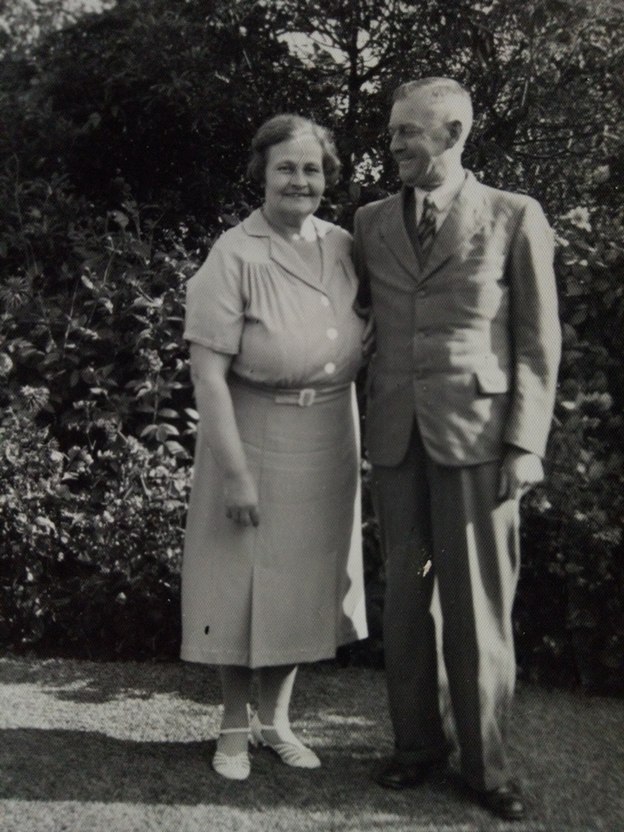
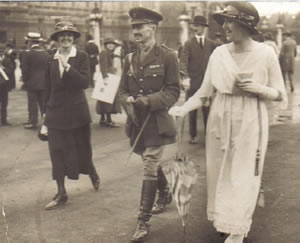
William and Hilda
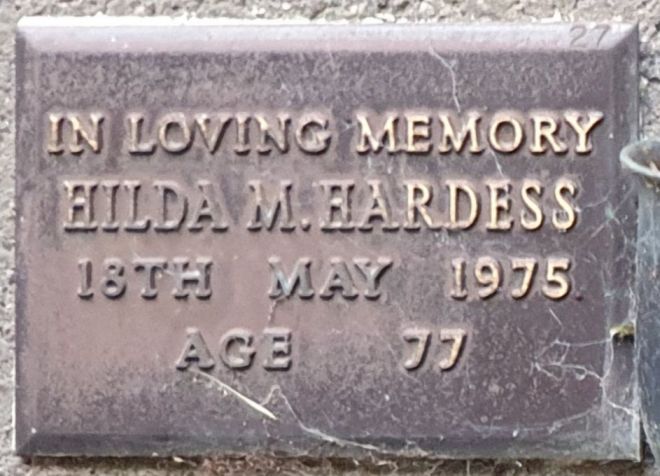
William died on 12 March 1970 at Blackburn, Australia and the death was registered as 5484/1970. He was cremated and the ashes were interred in Springvale Botanical Cemetery Plot Banksia, Wall BH, Niche 19 on 17 March 1970. Probate for his will was dealt with on 9 June 1970. His occupation was listed as Gentleman. Hilda died on 18 May 1975, was cremated and her ashes were interred in Springvale Botanical Cemetery in Banksia, Wall BH, Niche 27. The Age of Saturday March 14, 1970 had an entry under Deaths: ‘HARDESS – On March 12th, at his home, 10 Doulton Road, Blackburn, William George, dearly loved husband of Hilda. Late 1st A.I.F.’ Also ‘HARDESS, William George. – Brother-in-law of Betty (Mrs Durling), uncle to Cynthia and Vic, Elsa and Ken. With fondest memories.’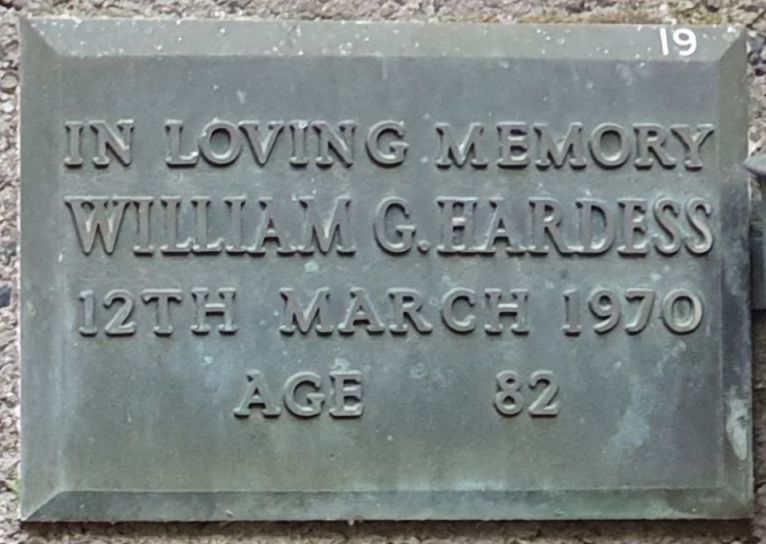
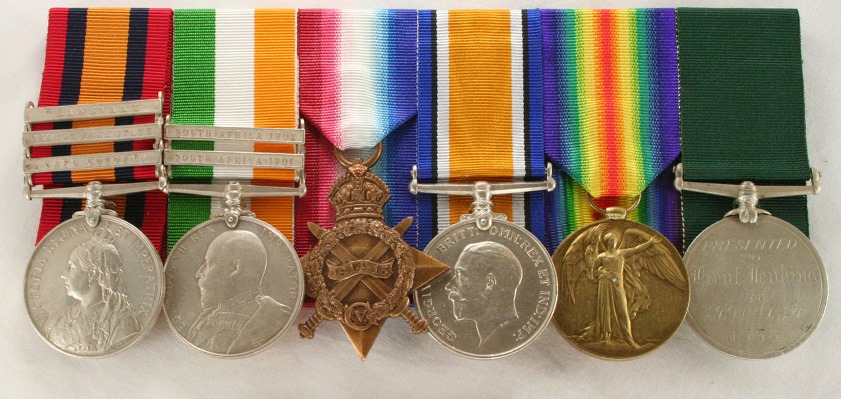
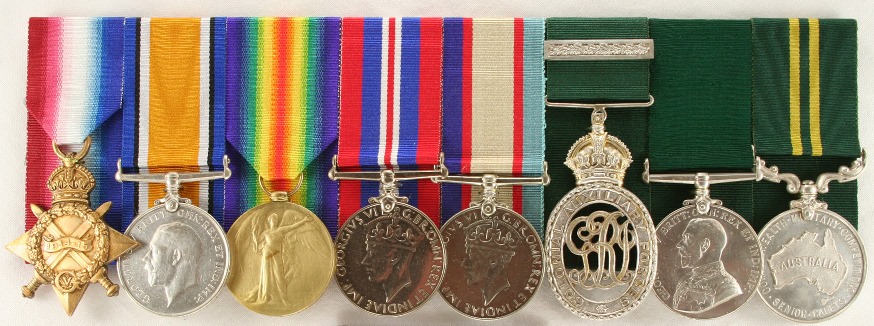
 His medals are 1914-15 Star (when the museum received the medals the original bronze MID was mounted on this ribbon as worn but should be attached to the Victory medal); British War Medal 1914-18; Victory Medal 1914-19 with Mention in Despatches emblem. All are impressed ‘20 Sjt W.G.Hardess 2/F.Amb.A.I.F.’
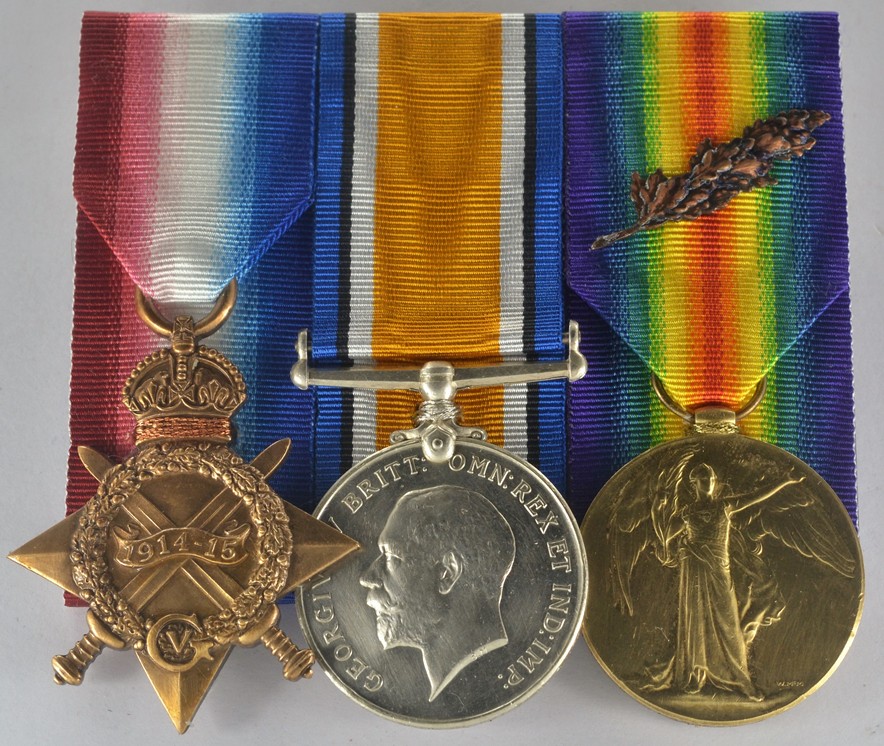 His medals can be viewed at the Maryborough Military and Colonial Museum.
ANZAC Biographies
On our website you will find the biographical details of ANZAC (as well as British) servicemen & women whose medals or other memorabilia form part of the collection on display at the Maryborough Military & Colonial Museum, Maryborough, Queensland, Australia.
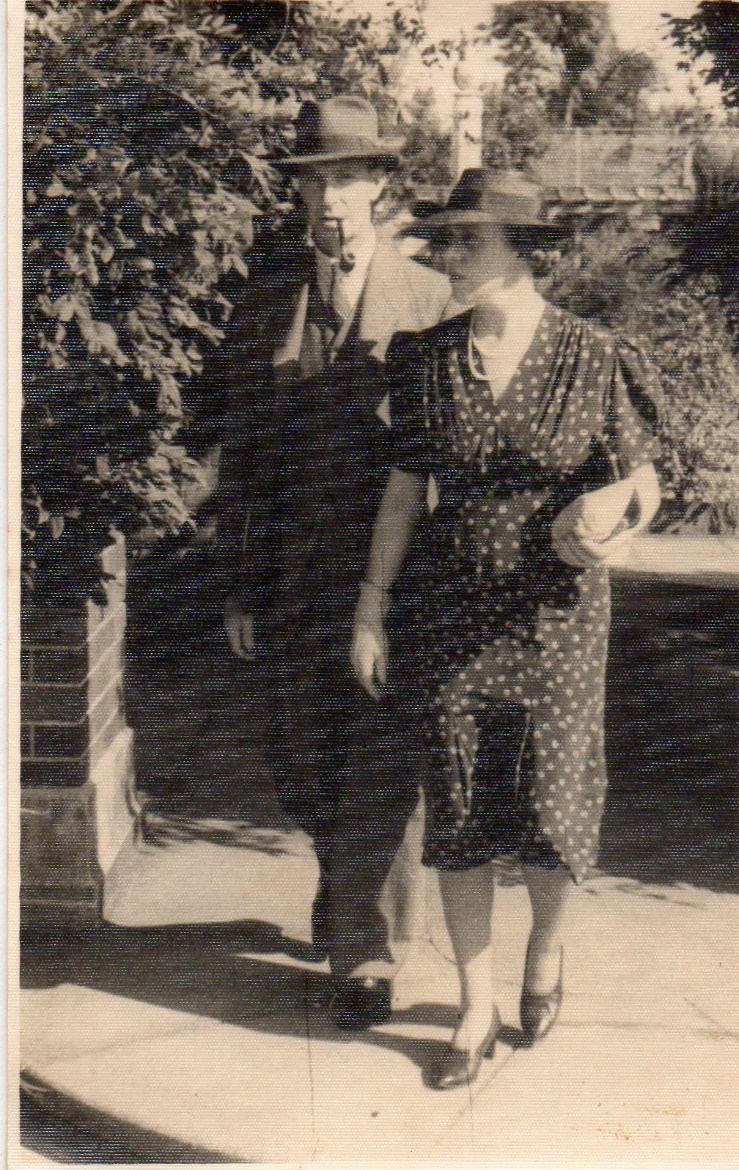
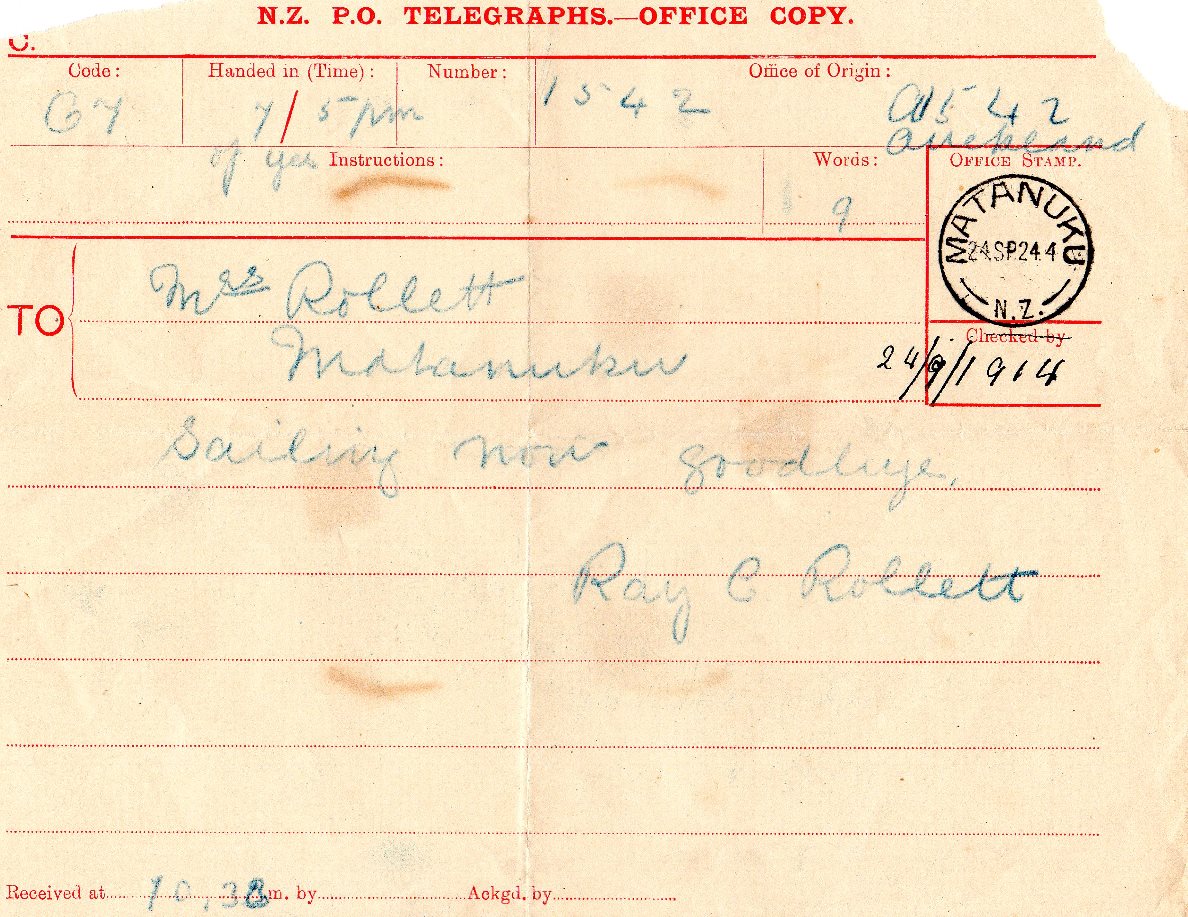
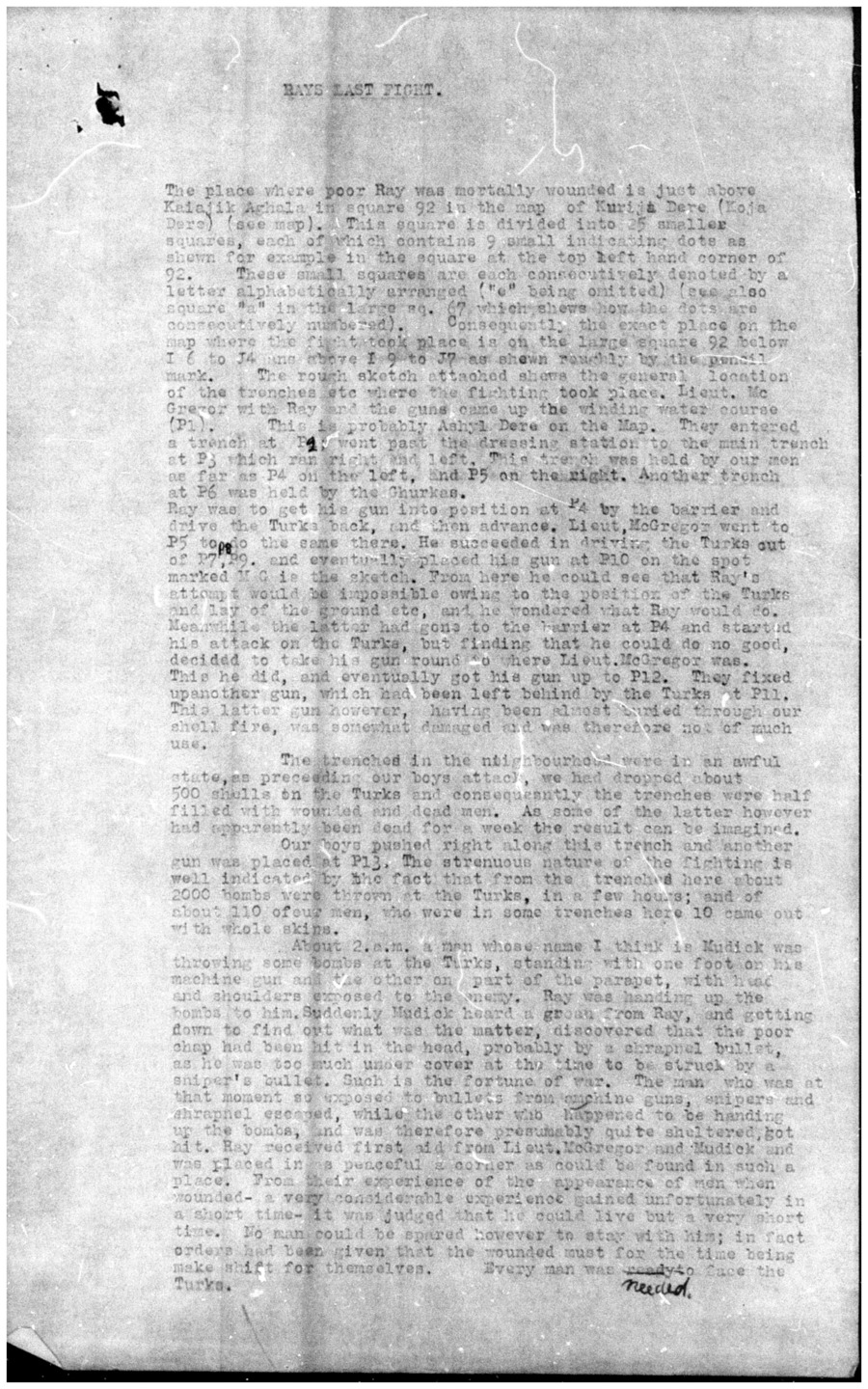
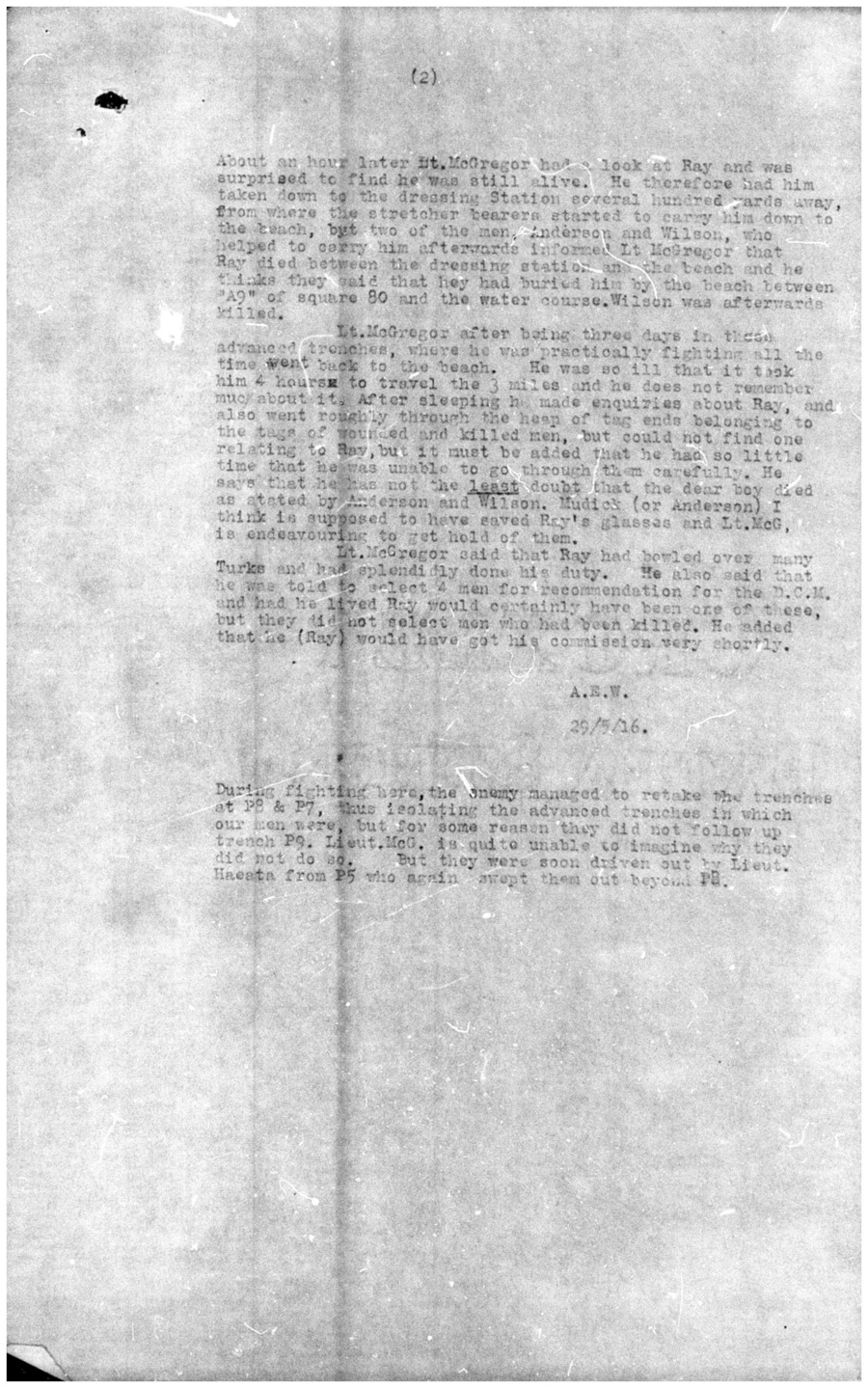
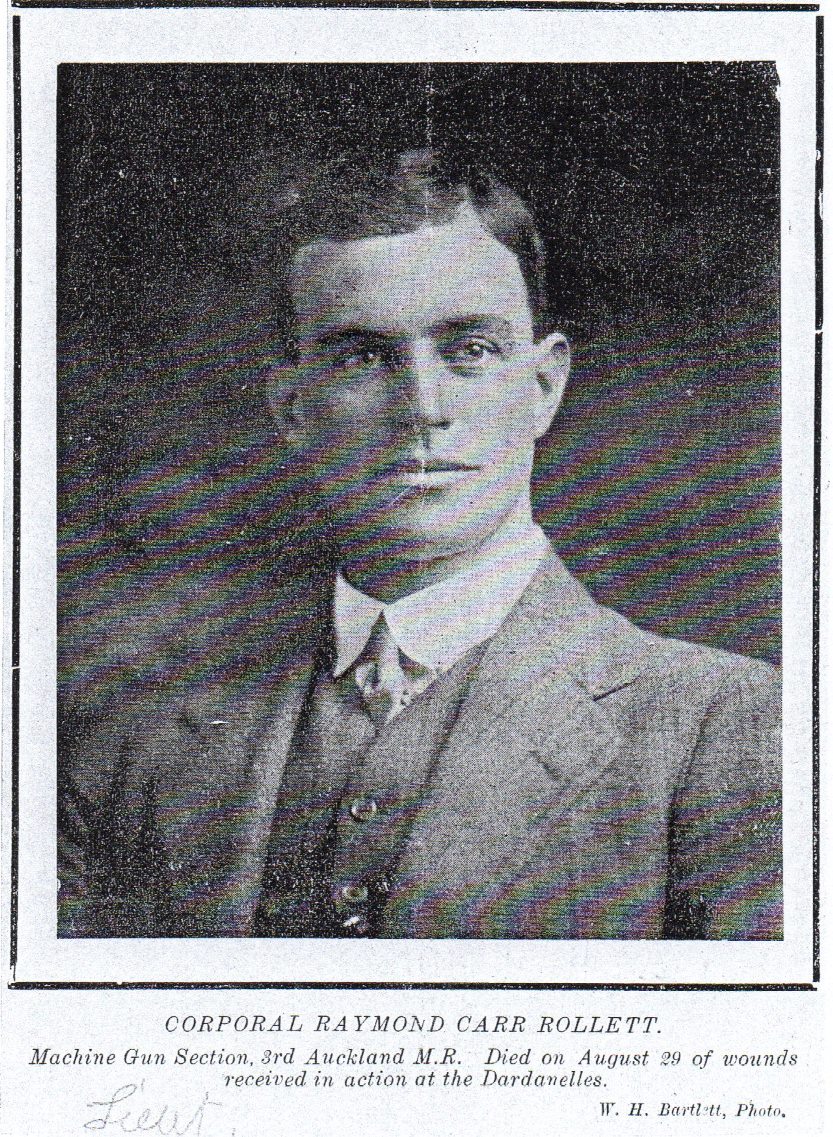
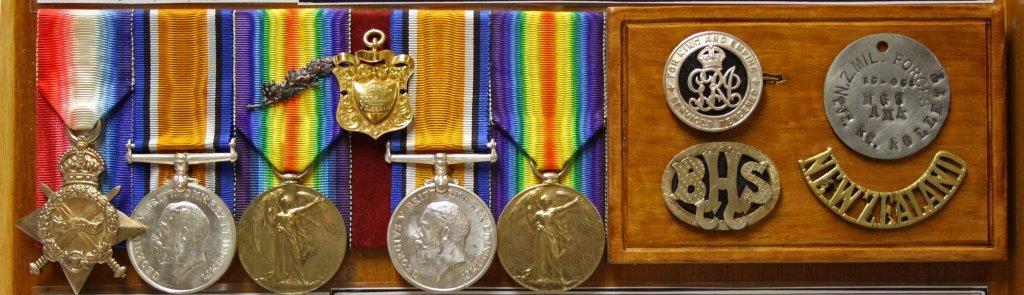
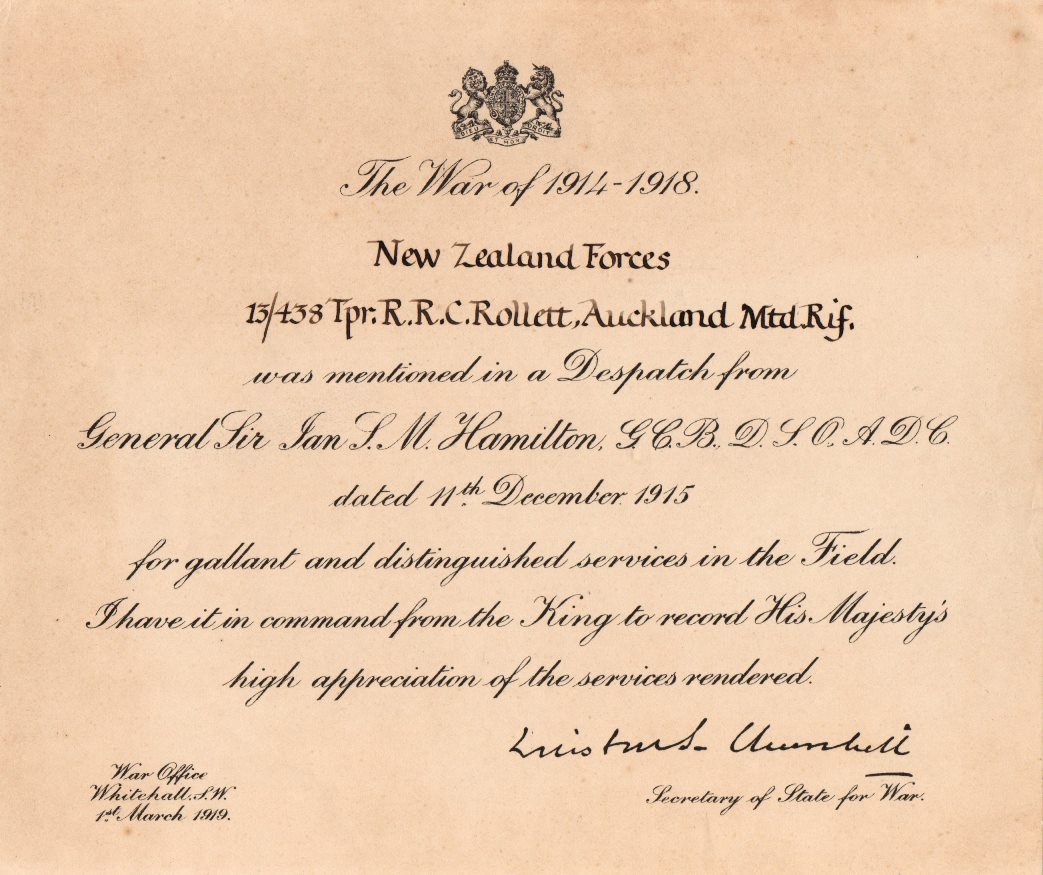
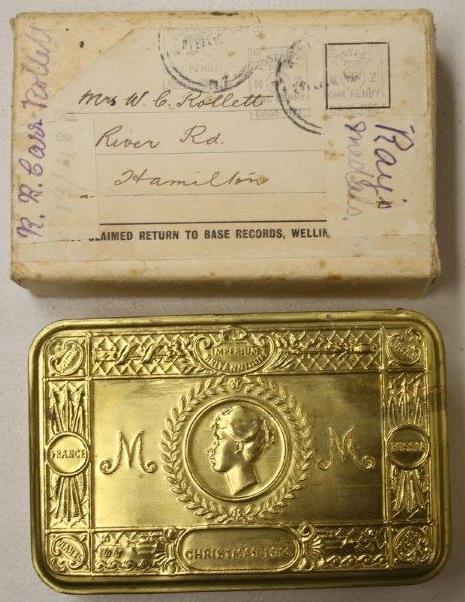
 Raymond Reynolds Carr Rollett was born on 2 October 1888 at Sumner, a son to William Carr Rollett and Helena Annie Woodhouse. Sumner is a coastal seaside suburb of Christchurch. He was one of five children to them. William had been born in Thorne, Yorkshire, England on 1 June 1856 and Helena was born in Doncaster, Yorkshire, England on 11 March 1861. He married Helena on 9 September 1885 at Amberley, Hurunui, Canterbury, New Zealand. Raymond’s surname is spelt Rollitt on New Zealand BDM with the listing under Births as 1888/9337 and also only showing his first two names, with his parents listed as Raymond Reynolds and Helena Annie Rollitt. William passed away on 21 January 1930 and is buried in Hamilton East Cemetery in plot BB-B-27. There is no grave marker. Helena passed away on 23 March 1946 in Auckland and was cremated at Waikumete Cemetery & Crematorium.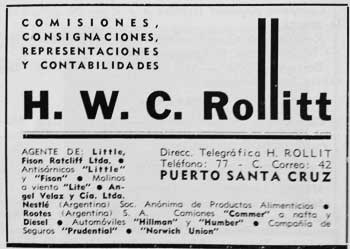

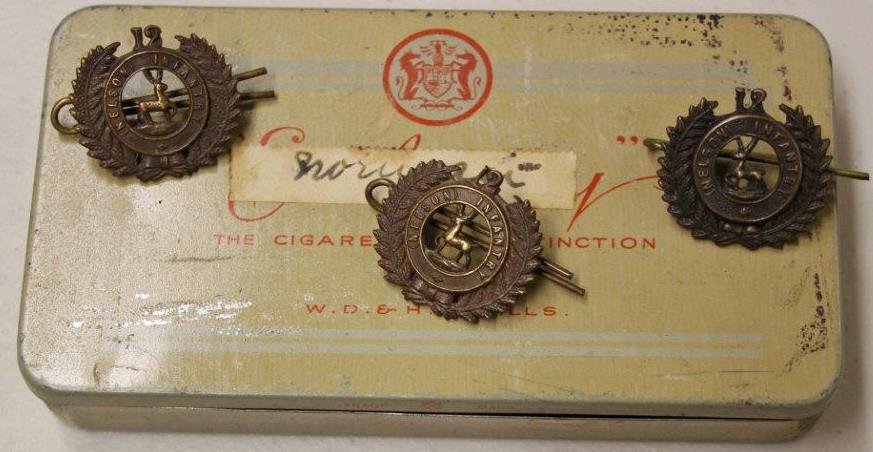
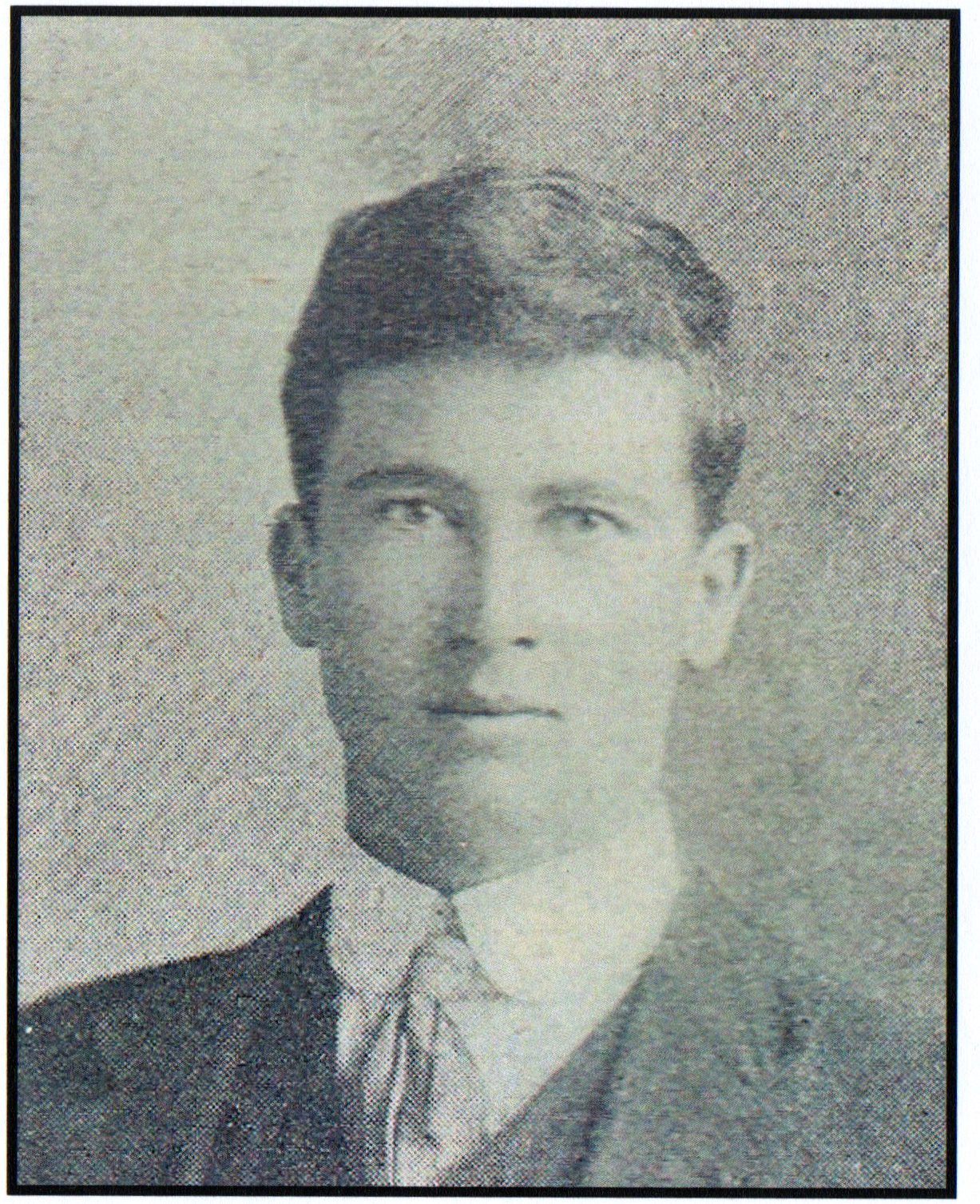
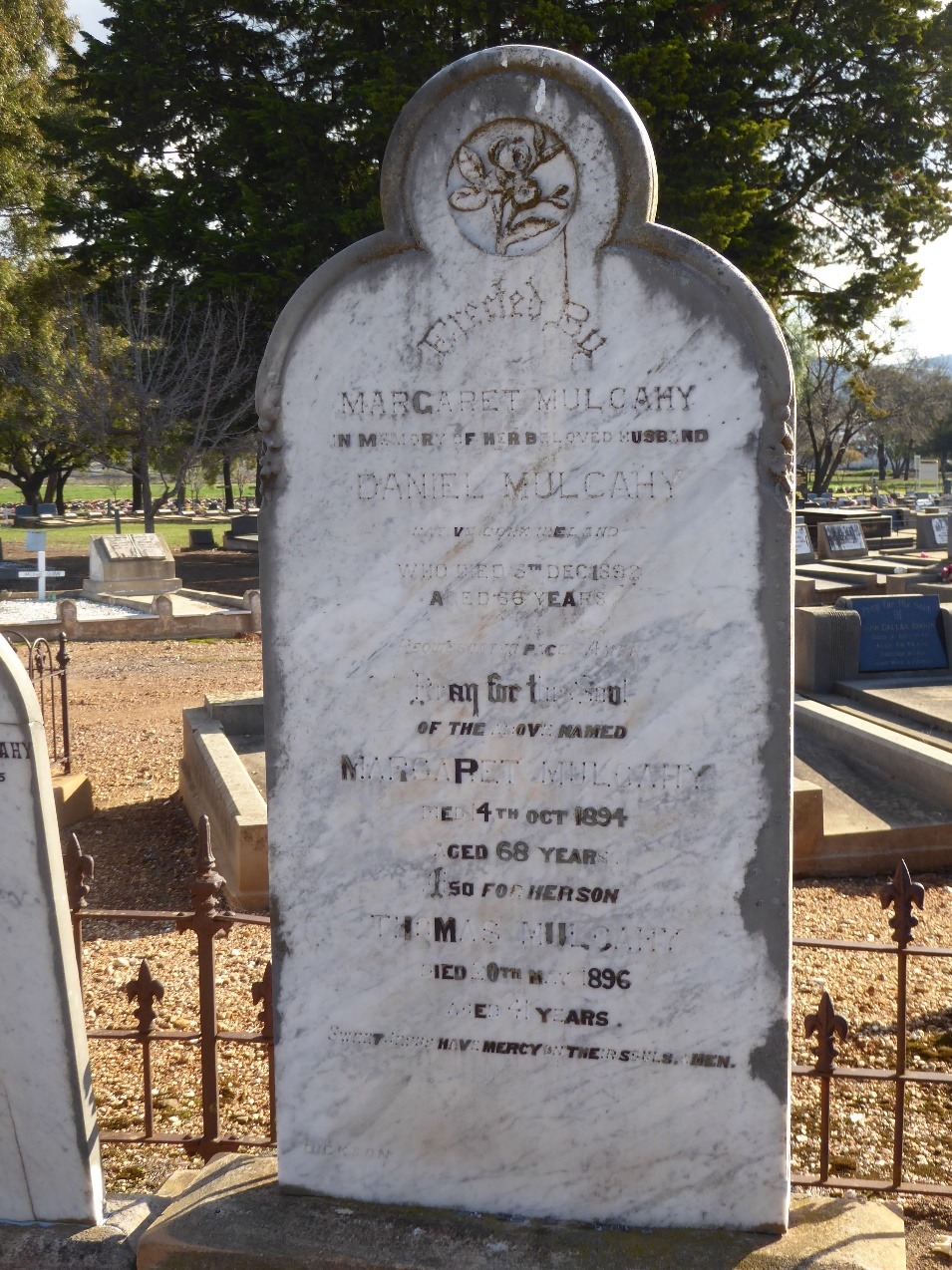
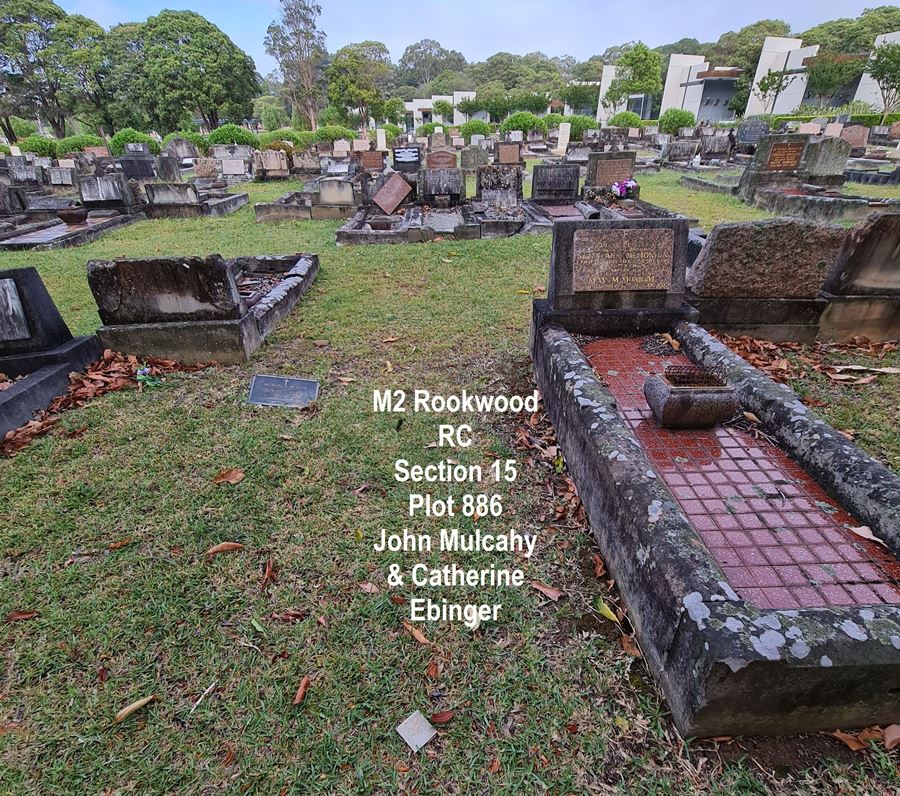
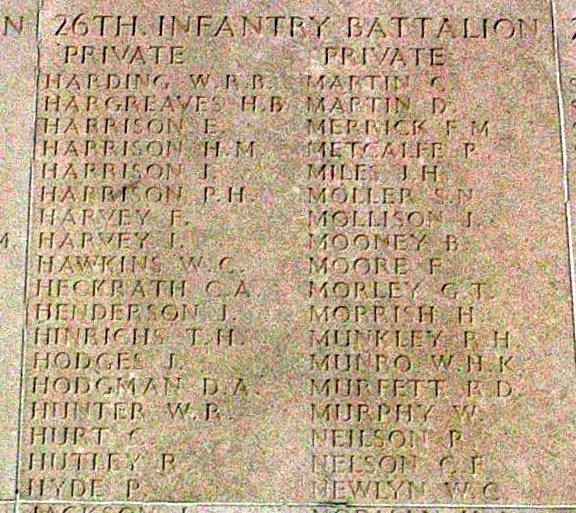 Percival Rupert Harrison was born on 18 January 1902 in Mackay. In the 1925 electoral roll he was living at Rita Island near Ayr and was a farmer. He enlisted in Rockhampton in WW2 on 9 June 1940 and was given the service number QX8255. Percival was with the 2/2 Australian Tank Attack Regiment attached to AAMC. He served in North Africa and New Guinea. After getting malaria in December 1943, he was sent back to Australia. After a few attacks of malaria he was sent to Morotai in late 1945 and then Balikpapan until sent back to Australia for discharge in November 1945. Percival died on 27 January 1978.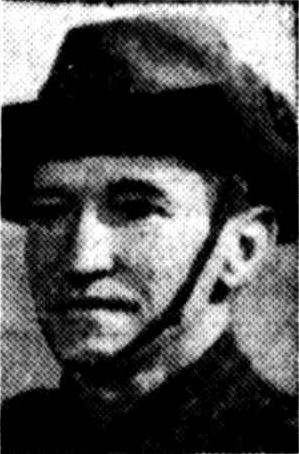
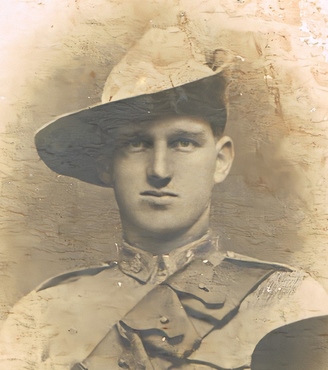
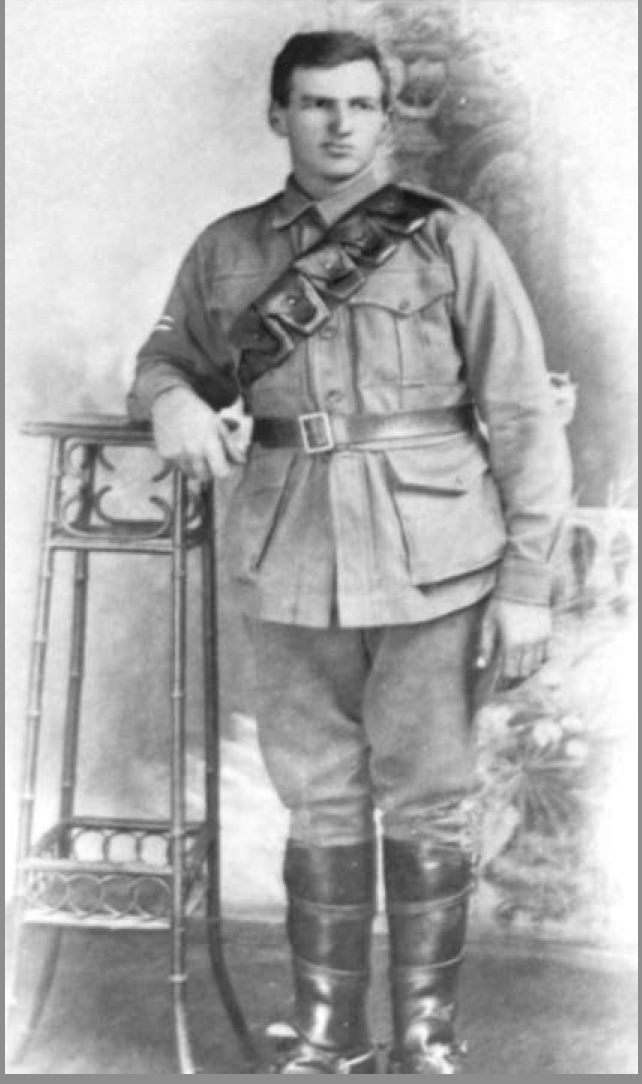
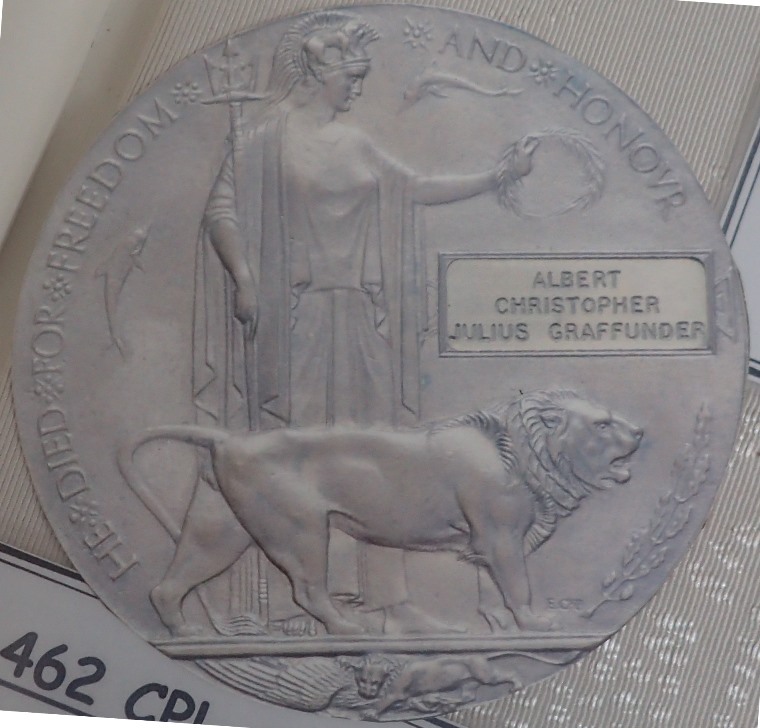
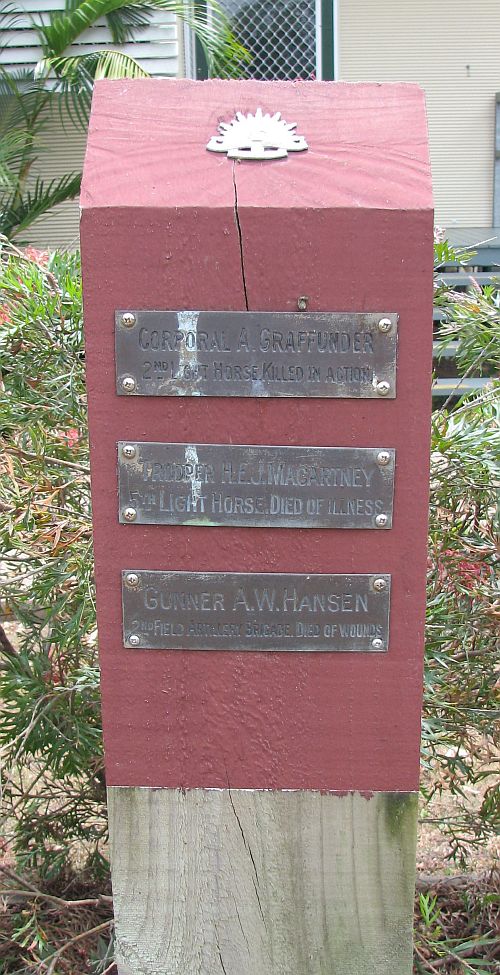 This is in the Remembrance Garden at Hampden State Primary School, Bruce Highway, via Kuttabul (picture from Glen Hall Collection, October 2006)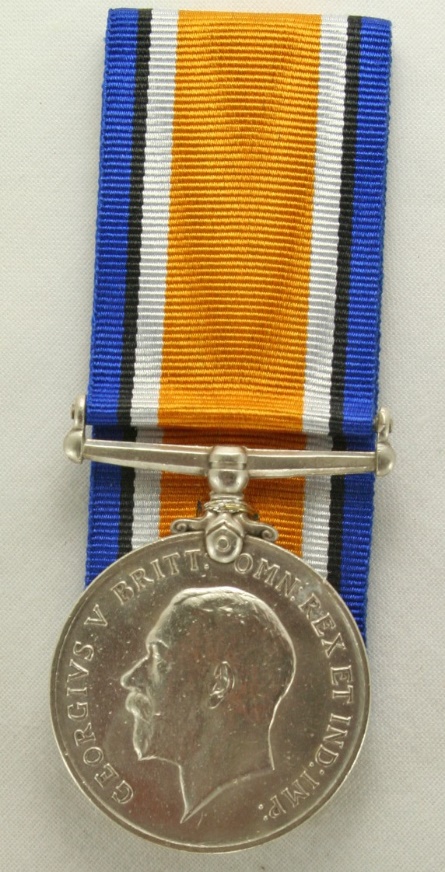
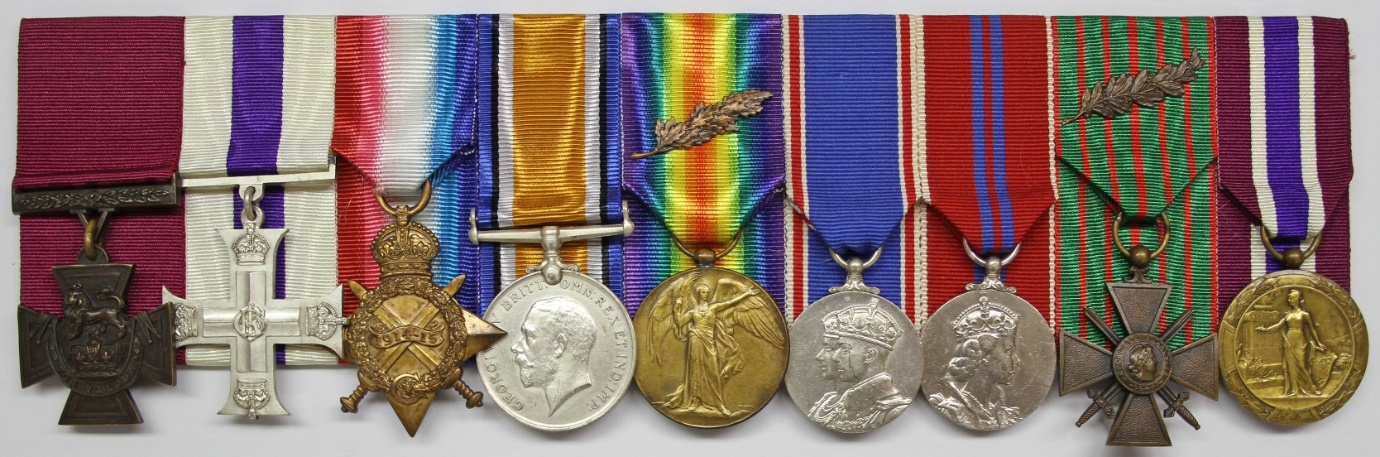 His medals: Victoria Cross; Military Cross; 1914/15 Star; British War Medal; Victory Medal with Mentioned in Dispatches emblem; Coronation Medal GVI – 1937; Coronation Medal EIIR – 1953; French Croix de Guerre with palm; Panama Medal De La Solidaridad 1917.
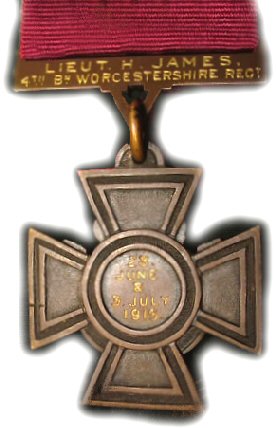
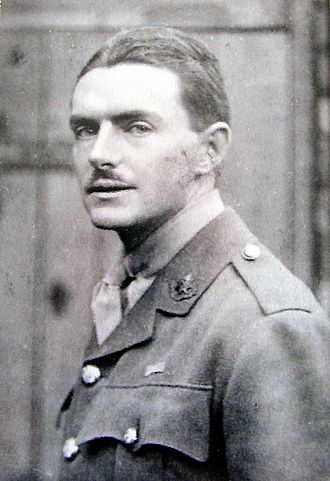
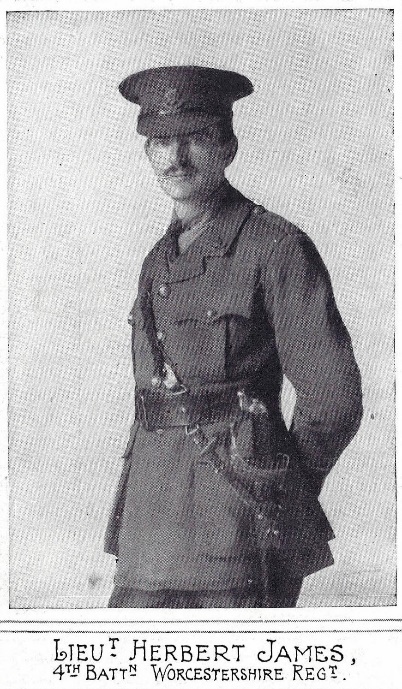
 Some pictures of him and one with his 1st wife on the award of his VC.
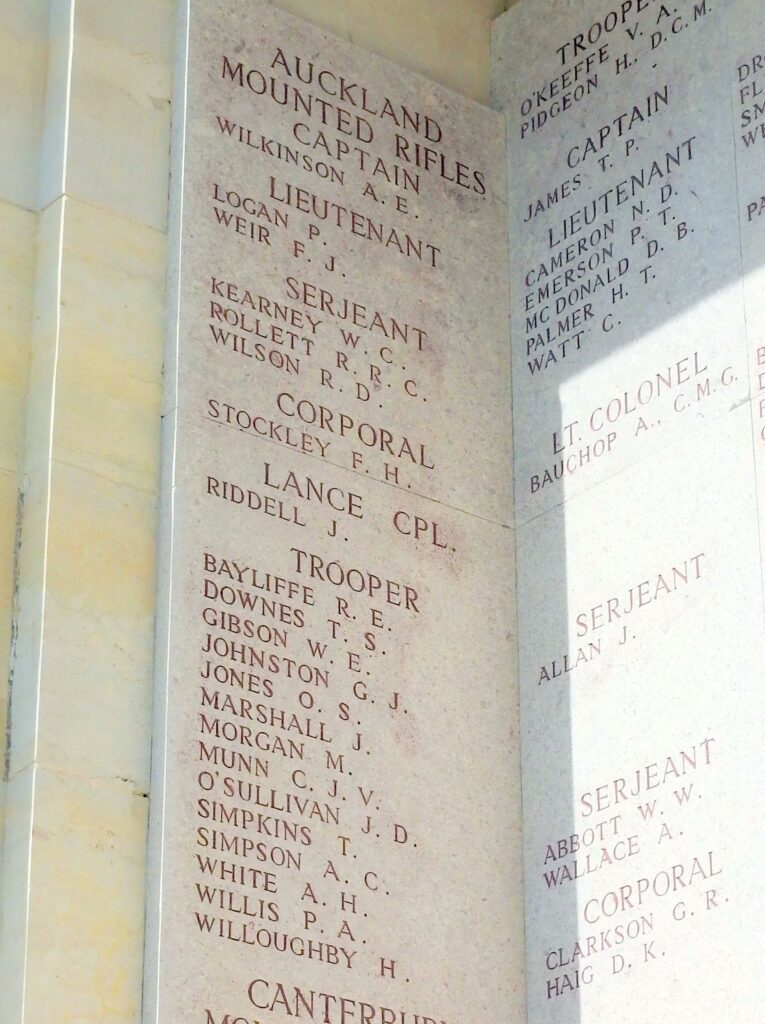
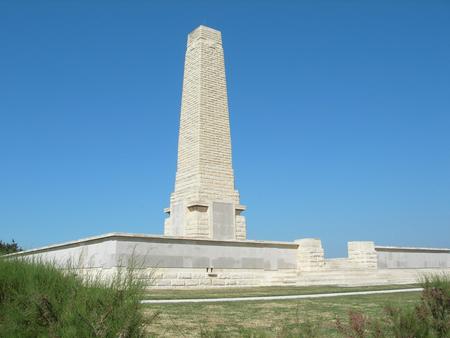 Helles Memorial
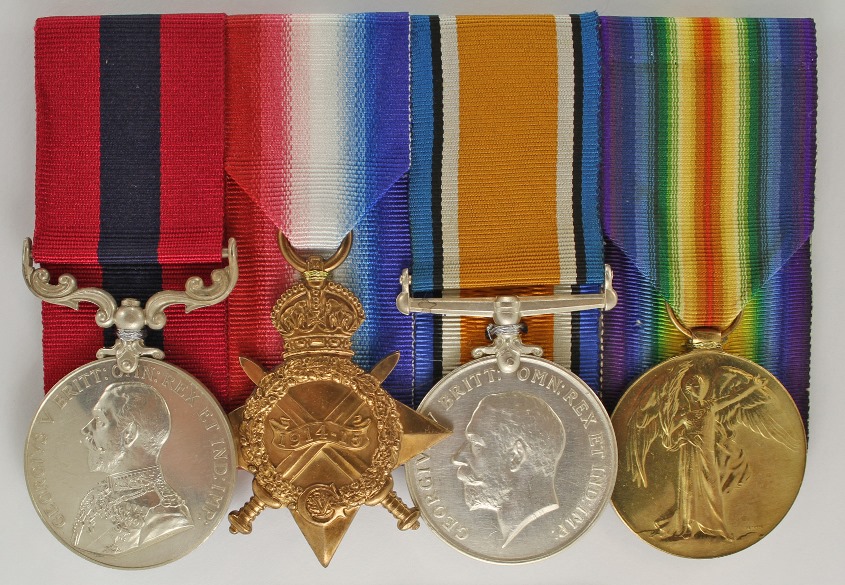 The DCM for Robert Reece only came up in an English auction some years after the Museum acquired Herbert James group. The trio with the DCM are unnamed (not name erased) medals.
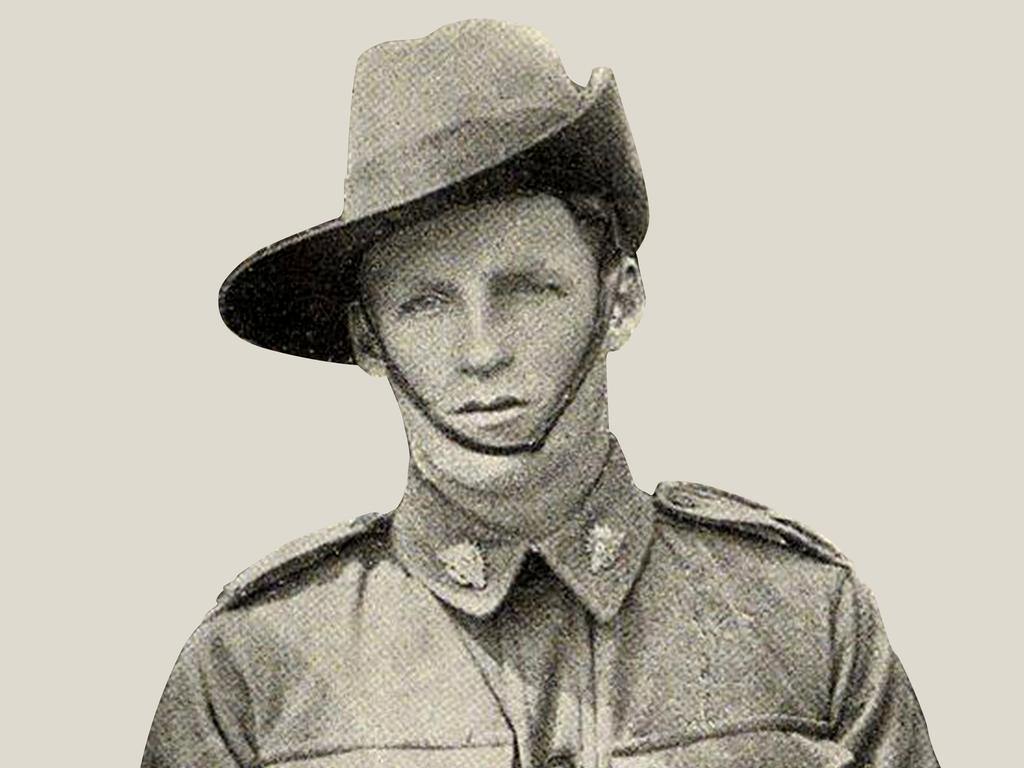 Gerald Gilbert Stanley Allsebrook was born in Hobart, Tasmania on 12 June 1894, a son to William Allsebrook and Agnes Martha Smith. William had been born in 1864 in Hobart and Agnes on 27 July 1863 in Hobart. They had been married on 9 July 1884 in Hobart. The parents of William were Richard Allsebrook and Elizabeth Morris who had married in Tasmania on 4 May 1849 in Hobart. Richard had been sent to Tasmania in 1845 as a convict. In all they had six children. They were living at 16 Star Street, Fitzroy Place, Hobart in the 1919 electoral roll, with William a painter and Agnes doing domestic duties. By the 1922 roll they had moved to 39 Colville Street Hobart with the same occupations. Agnes passed away in Hobart on 3 May 1932 and William died on 15 June 1939 also in Hobart. William and Agnes are both buried in Cornelian Bay Cemetery in area or denomination: Church of England, Section: XX, Site number: Number 160.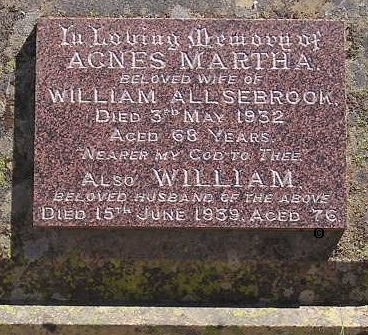
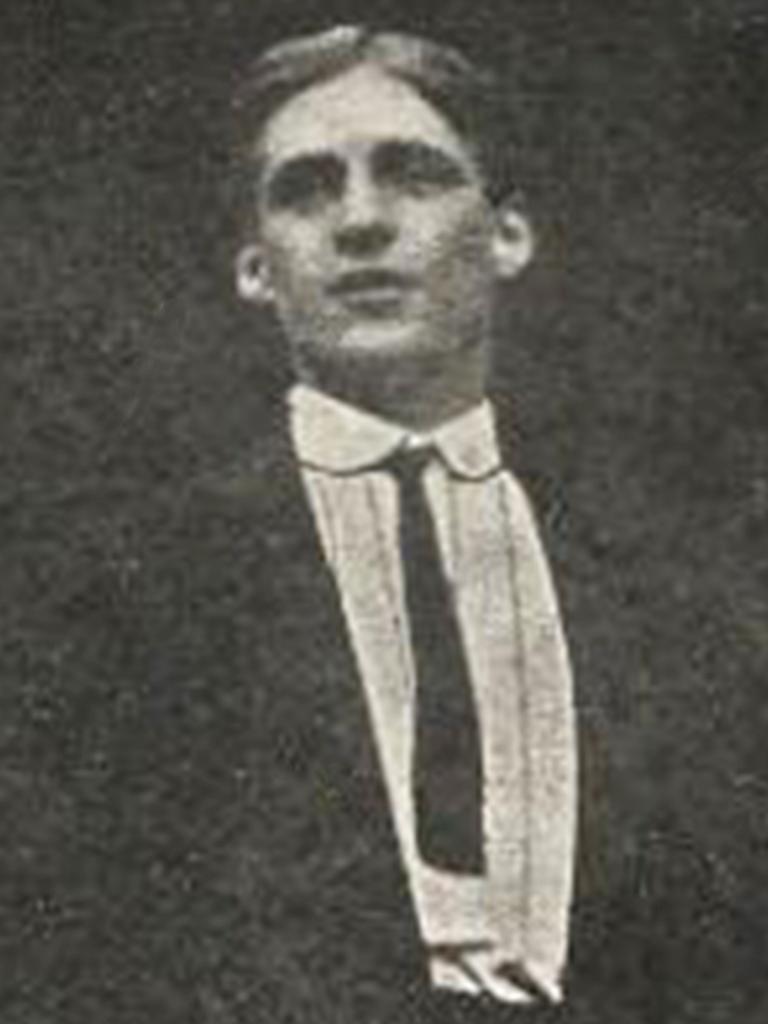
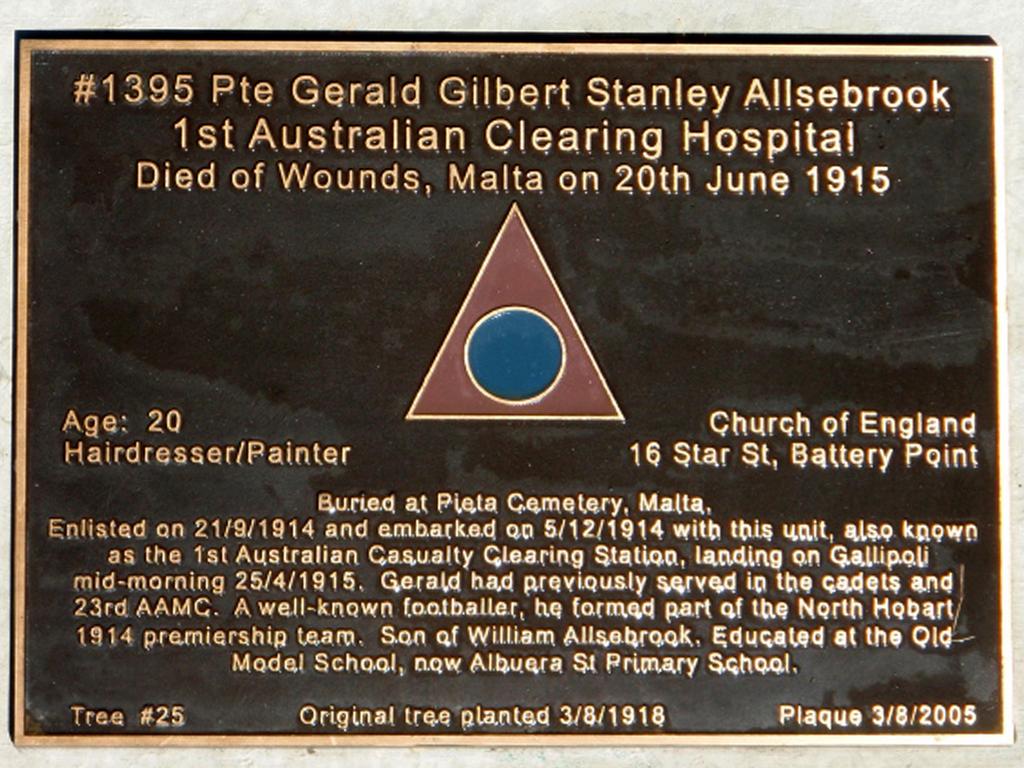
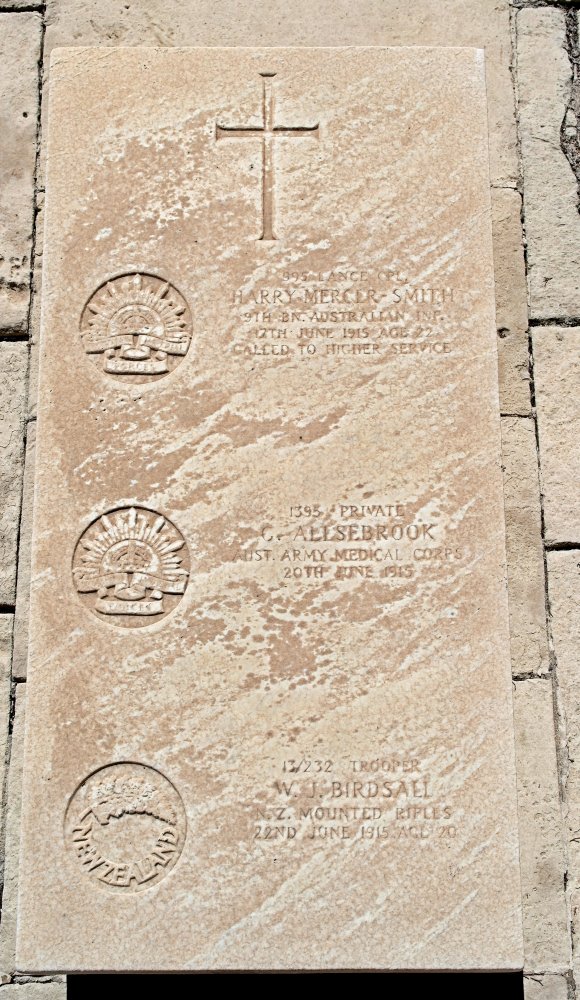
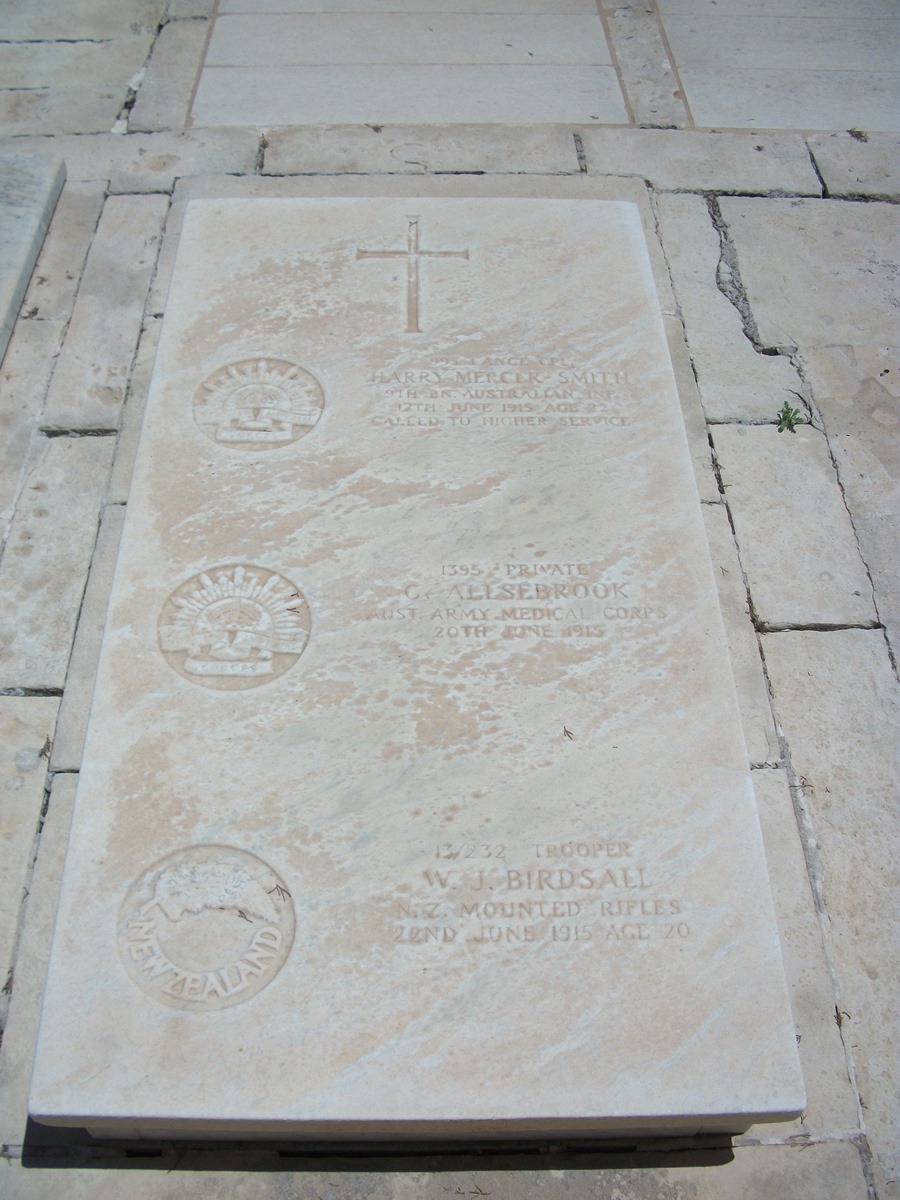 Grave picture P00545.048 from Australian War Memorial. ‘PIETA MILITARY CEMETERY, MALTA. GRAVE OF 995 LANCE CORPORAL HARRY MERCER-SMITH OF THE 9TH BATTALION, AIF, WHO DIED ON 1915-06-17, AGED 22 YEARS, AND ALSO OF 1395 PRIVATE C. ALLES BROOK OF THE AUSTRALIAN ARMY MEDICAL CORPS, WHO DIED ON 1915-06-20. MERCER-SMITH AND ALLES-BROOK BURIED WITH A NEW ZEALAND SOLDIER. (DONOR PRESIDENT OF MALTA)’ Row 1 Grave 2. The First World War Nominal Roll lists 1395 Private Gerald Allsebrook 1st ACS died of wounds on 20 June 1915. A copy of a message from Base Records on 21 December 1918 reads ‘No. 1395, — Private Gerald Allsebrook, 1st Australian Clearing Hospital, wounds received in action — on board, H.S. Sicilia, 20th June, 15. Cable No. M.F.C. 5998, from the Officer Commanding Intermediate Base dated Alexandria, 24th June 1915, confirmed by Army Form B. 104-52, and Army Form B. 2090A, and Cable No W.B.412, from the Governor and Commander-in-Chief, dated Malta 21st June 1915, confirmed by Army Form C.347-2 and Army Form B. 2090A.’ Agnes Martha Allsebrook of 16 Star Street Hobart applied for a pension on 18 November 1919, but it was rejected as she was not dependant on Gerald. Another statement dated 13 September 1915 also shows the war pension claim was rejected. His father William was listed as next of kin. On 15 May 1920 she filled out an application for War Gratuity in respect of a deceased solider. He was listed as 1395 Private Gerald Gilbert Stanley Allsebrook who was with the Australian Clearing Hospital. She was the deceased soldier’s mother, his father was still alive, he was not married and she was partly dependant on him as ‘He always out of his wage as an Employee at the “Mercury” newspaper Hobart gave me one pound a week which paid rent’. When he was away she received a separation allowance of 2 shillings 6 pence a day. She was drawing a war pension of 14 shillings a fortnight from the Hobart General Post Office in respect of Gerald. Agnes had received the balance of money owed to Gerald and he had no estate. She signed the form in front of a JP with an X, after he had read it to her and filled it out. She had to list his particulars for overseas service but could not give some of the information, such as date of enlistment (about October 1914), date first reported for duty (but she did state it was at Hobart Barracks), the date he embarked and on what transport. She stated date of death was ‘21st June 1915’ which was corrected to 20 June. Again she signed with an X and the JP witnessed it all. In another page it was recorded the name of the camp was ‘Brighton Camp, Tasmania Afterwards Claremont Camp, Tasmania’ and the unit he was attached to was ‘Australian Clearing Hospital – Colonel Gibbon C.B. Commanding’. On 23 October 1920 a form for authority for payment of War Gratuity was made out for Mrs Agnes M Allsebrook, mother, in respect of 1395 Private Gerald Gilbert Stanley Allsebrook (deceased) ACH for the sum of 125 pounds and 8 shillings. A memo to the Chairman of the War Gratuity Board on 9 October 1920 stated that his father W Allsebrook ‘waives claim in favour of his wife’. He filled out a statutory declaration to advise that. The family placed a notice in the ‘In Memoriam’ section of the World (a Hobart newspaper) on Friday 20 June 1919 in page 1 which read ‘ALLSEBROOK. — In sad, but loving, memory of our dear loving brother Gerald, who died of wounds received in action at the Dardanelles on June 20, 1915, aged 20 years. Not gone from memory, not gone from love; But gone to a heavenly home above. —Inserted by his loving sister and brother-in-law, Mr. and Mrs. J. W. Kirkby. Hobart. ALLSEBROOK— A tribute to the memory of my old pal Gerald Allsebrook (Ocker), who died of wounds on June 20, 1915. Fond memories of the past will always bring regret. —Inserted by his old pal Harry Burrows, Sydney. ALLSEBROOK.—In loving memory of my dear mate, Gerald (Ocker) Allsebrook, killed in action on Gallipoli on June 20, 1915, aged 20 years. A hero he lived, a hero he fell. Though only a lad he did his part well; He gave his life for a cause that is true, Fighting for country, for home, and for you. —Inserted by his loving mate, Eric Corbett.’ Another entry in that newspaper on Monday 21 June 1920 in page 1 reads ‘IN MEMORIAM. ALLSEBROOK.-In loving memory of our old pal, Gerald (“Ocker”) Allsebrook, who died of wounds June 20th 1915. Ever remembered as one of the best. – Inserted by his pals, H. Burrows and Chas. McNaught’. Base Records sent a letter and record book CM Form M7 relating to Gerald to the Officer Commanding 4th AAMC in Hobart on 2 March 1920, saying it had previously been returned (with AIF service entered) by them on 13 January 1916 was re-forwarded to them in error. The letter was sent back to Base Records on 20 February, noting the book had been received. The pamphlet “Where the Australians Rest” was went to him on 21 April 1921. On 1 July 1921 his father was sent his Memorial Scroll and the Memorial Plaque on 1 August 1922. On 8 April 1921 his British War Medal was sent to the Commandant of the 6th Military District. His father signed for his Victory Medal on 13 September 1922 (sent to him on 7 September) and sent the acknowledgement back to Base Records, who received it on 18 September. He also noted his address was 39 Cahill Street, Battery Point. A form from the AMF in the 6th Military District for the 1914-15 Star for 1395 Private G Allsebrook was signed by his father at 16 Star Street, Fitzroy Place and was also witnessed on 17 September 1920. It was received back to them on 20 September. Confusingly, his father wrote a note on the bottom of the form, stating ‘P.S. to date I have not received Star yet’ which he dated and signed. On 8 May 1924 Base Records wrote to the Military Secretary at Australia House in London, replying to their letter and stating ‘With reference to your memorandum No. A.G.S. 1511 of 25th March, the records at this office show that the late No. 1395 Private Gerald ALLSEBROOK, 1st Australian Clearing Hospital, died of wounds on board H.S. “Sicilia” on 20/6/15.’ They had wished to confirm his details and spelling of his surname. Base Records wrote to Mr W Allsebrook at 39 Colville Street, Battery Point, Hobart asking him to confirm his address was the same as one of the form as they wished to send him the British War Medal for Gerald on 29 May 1924. On 20 November 1925, Mr W Crouch, Solicitor at 60 Queen Street Melbourne, wrote to base Records asking them of Gerald’s exact date and place of his death, as his father had asked him to do so. Base Records received the letter the next day and replied on 28 November stating ‘that according to the records at this office, he is reported to have died of wounds received in action at Gallipoli, on board the Hospital ship “Sicilia” at Malta on the 20th June, 1915.’ They also asked for Gerald’s fathers’ current address, so they could forward the British War Medal that was issued for his son’s service. His father, William, of 39 Colville Street, Battery Point, Hobart filled out a form for the Roll of Honour of Australia in the Memorial War Museum stating that Gerald Gilbert Stanley Allsebrook, No 1395 1st Australian Clearing Hospital was born in and was connected with Hobart. He died on 20 June 1915 at the Dardanelles. Gerald was a 20-year-old hairdresser, his school was Old Model (now Albuera Street School) and was a well-known North Hobart footballer. He also served in the military cadets. Base Records had sent him the form to fill out on 1 June 1929, asking him to fill out the Roll of Honor form for the ‘Official Historian’. The Saturday Evening Express of Launceston on Saturday 27 April 1946 in page 6, had under the title of Sports Shorts the following entry, ‘THE Tasmanian state team was on the water en route to the football carnival in Sydney when war was declared on August 4, 1914. On their return to Tasmania the following members of the touring side enlisted: — R. Bailey (Lefroy), O. Aulsebrook (North Hobart), Cecil Hannigan (Cananore). Jimmy Pugh (City), Alf. Whitney (North Hobart), G. Goddard and E. Randell (both of Cananore), Ivo. Margetts (Lefroy). Hannigan and Aulsebrook were killed at Gallipoli, whilst Margetts and Pugh paid the supreme sacrifice in France.’ This was taken from a story in the Examiner of Launceston on Monday 25 April 1932 in page 3 “LEST WE FORGET” War Time Footballers Some Never Came Back Contributed by. E.K.D. The anniversary of Anzac Day to-day recalls to my mind the names of great footballers of the past who so willingly gave up the game and everything they held dear to play a sterner game on the fields of France and elsewhere. Footballers, as well as other sportsmen, showed no hesitation in enlisting when the liberty of the nation was challenged seventeen years ago, and many of those who went made the supreme sacrifice. Let us recall some of these giants who played the game well on two fields.’ Another article in the Mercury of Hobart on Friday 24 April 1931 in page 14 at the start of the season talked about ‘The anniversary of Anzac Day-to-morrow recalls the great part which Tasmanian footballers played in the Great War, and their ready response to the call to the colours.’ It included ‘Another Anzac footballer who made the supreme sacrifice was O. (“Oker”) Aulsebrook, the North Hobart defender. Aulsebrook was also a player in the 1914 carnival team, and his stout defence saved North from many a defeat.’ He is also in an article in the Mercury of 31 August 2018 tilted ‘100 Days of Heroes: Footballer ‘Ocker’ Allsebrook made the ultimate sacrifice.’ Gerald Gilbert Stanley Allsebrook’s name will be projected onto the exterior of the Hall of Memory on: Friday 17 February 2023 at 9:21pm and Friday 19 May 2023 at 9:31pm. He was entitled to the 1914-15 Star, British War and Victory medals.
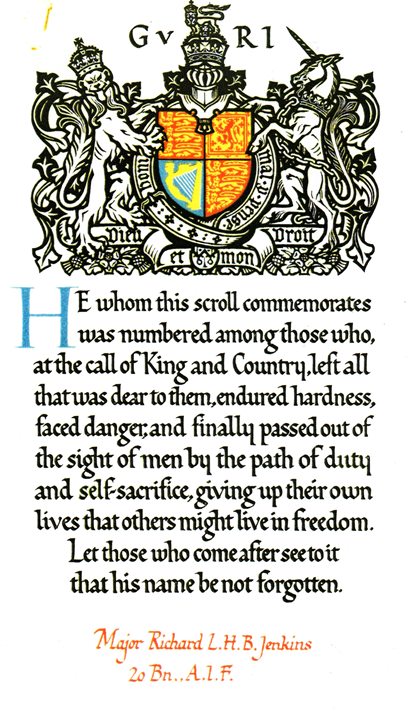
 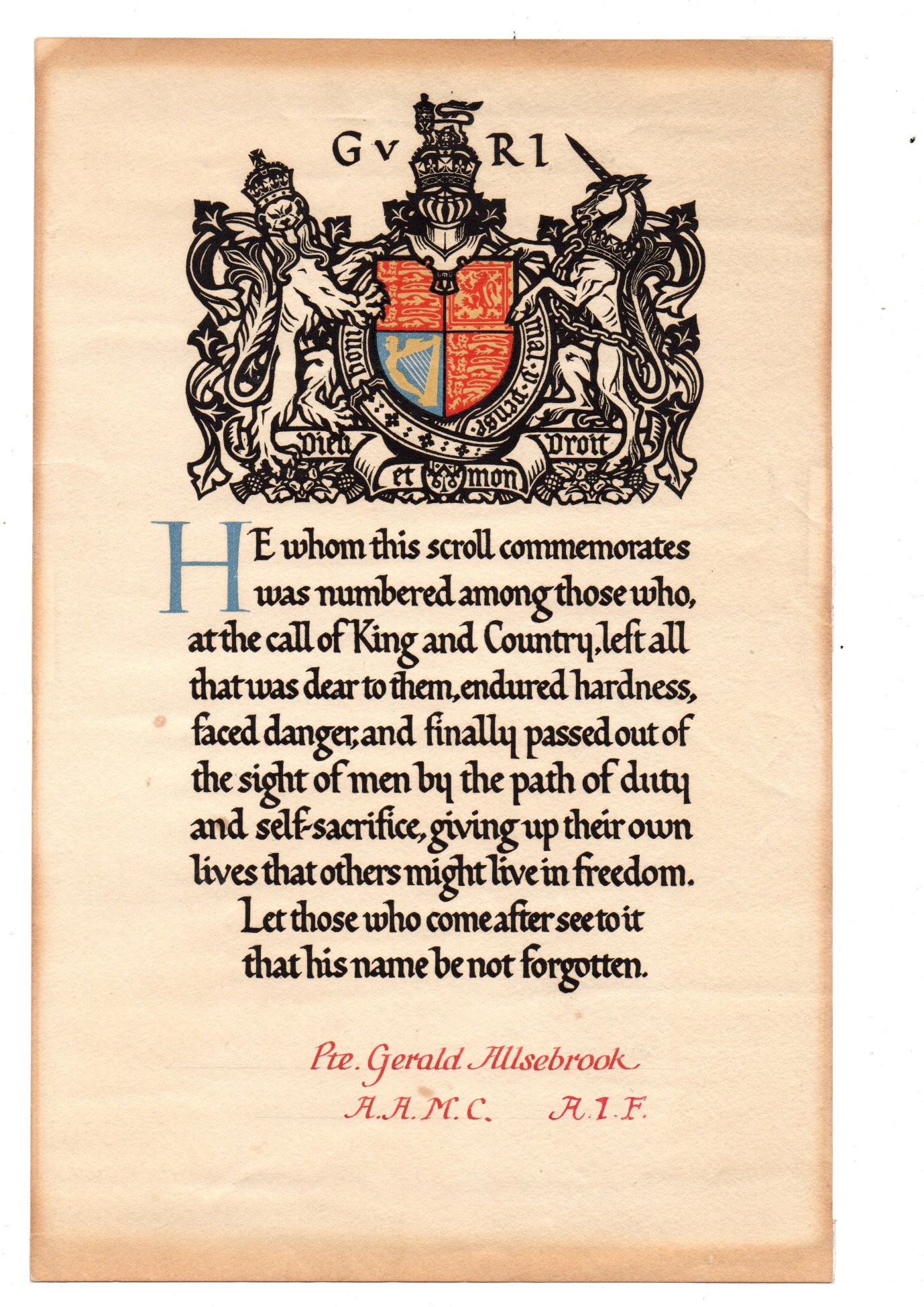 The museum only has his Memorial Scroll.