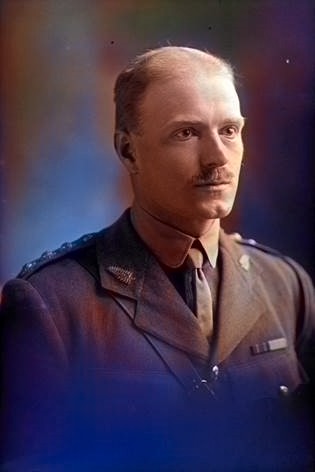
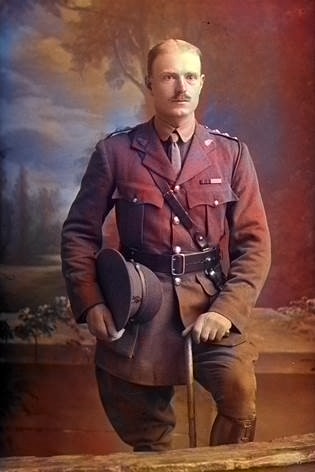
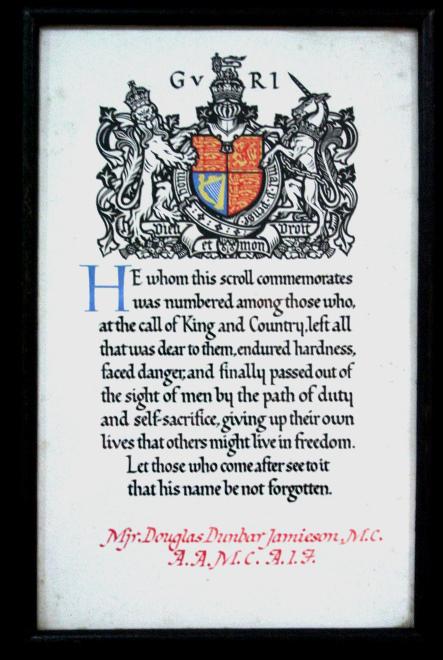
Brigadier-General John Baldwin Hoystead MEREDITH DSO MiD VD Serb Order White Eagle 4th Cl, with swords
6th Light Horse (Hunter River Lancers)
1st Light Horse Regiment AIF
1st Light Horse Brigade AIF
4th Light Horse Brigade AIF
by Robert Simpson
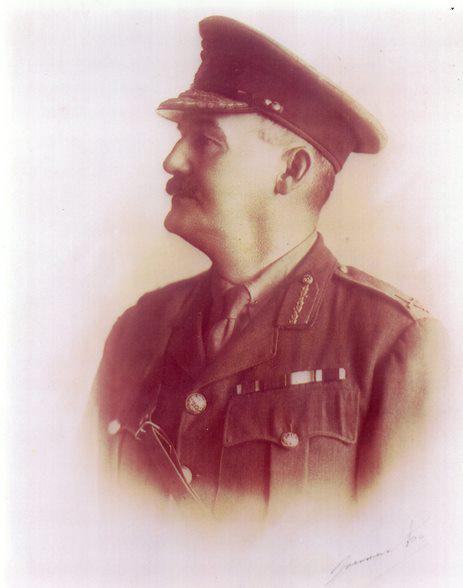
John Baldwin Hoystead Meredith was born in Derrylough, Rosenallis, Queen’s County, Ireland on 11th November 1864. He was a son to William Meredith and Anne Bridget Hoystead who had been married on 29th April 1846 at Nurney Parish, Kildare. William had been born in 1812 in Ireland and Anne in 1817 in Ireland. They had seven children in all (according to Australian Dictionary of Biography- http://adb.anu.edu.au/biography/meredith-john-baldwin-hoystead-7559 ). They mention the Meredith’s were Welsh, yet all the family trees on Ancestry have an Irish heritage and also have only a maximum of five children. They were Susan Harriett Meredith, born 8th March 1847 at Derrylough, Queen’s County; Caroline Elizabeth Meredith, born in 1848 at the same place; Rice Meredith, born around 1850 in Ireland; William Meredith, born in the same place in 1852 and John. A double tragedy struck the family when their parents Anne died in 1874 and William in 1879 in Ireland. Susan married in 1869 in Mountmellick Ireland to William Robert Harte but unfortunately died in the same place on 8th January 1878. Caroline died on 5th May 1876 in Rosenallis, Ireland. Rice died in 29th December 1897 in Dublin with effects of nearly £1400 going to his widow Emily. William died on 21st April 1921 in York, Canada and is buried in Saint John’s Cemetery Markham.
In the Medical Student Register for 1882 is an entry for John Baldwin Meredith, who did a preliminary exam in Arts at the Royal College of Surgeons in Ireland on 18th January 1882 and on 23rd November 1882 registered and commenced medical study. John studied medicine from 1882 to 1887 as he was unable to afford either an army commission or to play soccer for Ireland. He came to Australia as a ship’s doctor in 1888 and bought a practice at Raymond Terrace. John enlisted in the Raymond Terrace detachment of the Hunter River Troop in July 1889.
An entry in the NSW Government Gazette in February 1889 by the NSW Medical Board lists those doctors that were qualified to be a Medical Witness at Coroners’ Inquests and Inquiries held before Justices of the Peace and included “1,519. Meredith John Baldwin, Lic. R. Coll. Phys. Edin. 1888 ; Lic. R. Coll. Surg. Edin. 1888 ; Lic. Fac. Phys. And Surg. Glas. 1888”.
On 20th May 1890, John married Harriet Eveline Waters in Sydney. Harriet had been born on 25th March 1865 in Monasterevin, Kildare, Ireland; a daughter to Thomas and Harriet Waters. She was engaged to John in Ireland but her father prevented her from coming to Australia. She came after he died and was married on the day she arrived there.
They had three children, Marjorie Eveline Meredith born on 26th March 1891 in Raymond Terrace, Muriel Windeyer Meredith born in 1893 in Raymond Terrace and John (Jack) Baldwin Waters Meredith born on 2nd August 1895 in Raymond Terrace.
In a list of Church Officers for St John’s Church in Raymond Terrace in 1893, under the heading of List of Subscribers, was Dr J B Meredith.
Marjorie married Iven Giffard Mackay on 14th September 1914 in Sydney. Iven was born on 7th April 1882 in Grafton NSW. In the 1910 and 1913 street index he was living at 20 Union Street North Sydney. Iven served in WW1. In the 1916 British Army list, he is recorded as a Captain in the 26th Infantry, although by then he was serving with the AIF on the Western Front after being at Gallipoli. His story is told here – http://adb.anu.edu.au/biography/mackay-sir-iven-giffard-10977 . There is also an entry for him in the University of Sydney – https://heuristplus.sydney.edu.au/heurist/?db=ExpertNation&ll=Beyond1914 . He also appears in Who’s Who in Australia in 1938. By the 1930 electoral roll they were living at 46 Raglan Street Mosman NSW and he was a lecturer with Marjorie doing home duties. He was a distinguished Australian Commander in WW2 and was the General Officer Commanding the 6th Australian Division in North Africa and was called the “Hero of Bardia and Tobruk”. In the 1949 electoral roll they were living at 205A Whitehorse Road Kooyong Victoria with Ivan a director. The 1963 electoral roll has them at 1209 Pacific Highway Bradfield NSW and he was still a director. Iven passed away on 30th September 1966 in Sydney and was cremated. In the 1980 electoral roll, Marjorie is by herself at 18 Hobart Avenue Lindfield. Marjorie died in 1987.

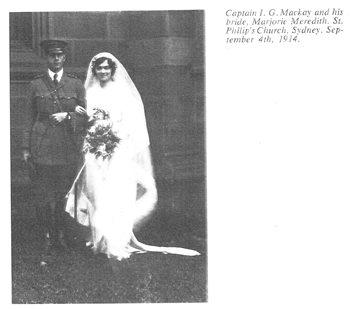
Iven Giffard Mackay
Muriel married William Hooke Mackay in 1913 in Richmond Terrace. William had been born in 1888 in NSW. William served in WW1 as a Lieutenant with the 12th Light Horse. In the 1930 electoral roll they were living at Tinagroo, Scone in NSW and he was a grazier with Muriel doing home duties. They were divorced in 1935. William and his father (of the same name) arrived at Southampton in 1937 from Genoa. He appears in Who’s Who in Australia in 1929. On 19th November 1946 she embarked on the Strathnaver at Southampton, bound for Australia. She was listed as a 57-year old female by herself who had been living at the Park Lane Hotel in London and was a UNRRA Officer. In the 1949 electoral roll she was living at 20 Ocean Avenue Edgecliff in NSW doing home duties by herself. William lived at Tinagroo until his death on 20th October 1956. He had probate in NSW and England. His eulogy is written here – http://sconevetdynasty.com.au/w-h-mackay-of-tinagroo/ . She was still there in the 1954 roll. Muriel passed away on 29th January 1983 in NSW.
Jack enlisted in the AIF on 6th May 1918, recording he was a 22-year old single student. He was given the service number N87608 with the Composite Battalion. He had served 3 years with Senior Cadets and was still serving with the University Regiment when he enlisted in Sydney. On 23rd September 1918 he was made Acting Corporal at the Recruitment Depot. He was demobilised at that rank on 18th November 1918 in consequence of the expiration of his period of enlistment and was discharged. He married Lois Cecil Jack on 23rd April 1924. She was known as Betty. The 1935 electoral roll has them living at Station Street Weston with John listed as a medical practitioner. He enlisted on 25th November 1939 at Rutherford Camp NSW, with his home being in Weston. His next of kin was Lois Meredith. He was discharged on 7th March 1942 as a Captain in the AAMC. A newspaper article tells of his talk at a Rotary Club where he told of his experiences of two years in the Middle East with Australian troops. As a doctor he was involved with a hospital in Gaza and he then requested to be a medical officer with a fighting unit. He took part in the capture of Sollum, Bardia, Tobruk and Benghazi. Problems transporting the wounded was discussed and issues with acoustic mines in Tobruk harbour. He also discussed about the Arabs being thieves and how he witnessed a settlement between two tribes, where the chief guest had to swallow a cooked sheep eye. Fortunately, it was not him. In 1953, Iven Mackay wrote to Base Records asking for information on Jack on his WW1 service, knowing his WW2 service was as a “Captain in the A.A.M.C. with the 1st Australian General Hospital in the Middle East”. His questions were all answered and sent back to him. Iven thought he had embarked in WW1, but he had not. John had passed away on 11th January 1953 in Weston and was cremated, with his ashes at Newcastle Memorial Park at Shrub V 6/1.
John appears in a series of New South Wales Government Gazettes from 1894 to 1899, which show his date of registration and certificate number as 13th February 1889 and 1519 respectively. They also show his address and qualifications registered, as recorded above. He was also the Mayor of Raymond Terrace (being elected in 1894), as recorded in the gazette in 1896, where amended by-laws for riding and driving around corners in Richmond Terrace were passed and amended (and make some interesting reading!). John was listed in the Australasian Medical Directory in the same year as “MEREDITH, JOHN BALDWIN, Raymond Terrace, N.S.W.- L.R.C.P. et R.C.S. 1888, Edin.; L.F.P.S. Glas. 1888.” He was appointed a Member of the Licensing Court in 1898 in the Raymond Terrace district. John joined the Hunter River Light Horse. He volunteered during the Boer War and went as a medical officer for the NSW Citizen’s Bushmen’s (3rd) Contingent in 1900, who were country men who were used to the hardships of bush life, to be able to cope with the guerrilla style methods of the Boers. It was the first contingent raised by public subscription. They left Sydney on 25th February 1900 on transports Atlantian and Maplemore, arriving at Cape Town on 2nd April. John was a Lieutenant in the Australian Medical Corps, as part of the Regimental Staff, and was involved in action in Rhodesia, Transvaal, Orange River Colony, Cape Colony and at the Relief of Mafeking (although the NSW contingent arrived too late to be eligible for a clasp). On 24th July 1900 he was promoted to Captain. He was invalided to Australia on 20th October 1900. (Another record says “Allowed to return to Aust. Arr 22 Nov 00”). The medal roll for clasps for the South Africa medal for A Squadron Citizens’ Bushmen Contingent New South Wales has him listed as Lieutenant J B Meredith, but also includes him being entitled to the clasps Johannesburg and Relief of Mafeking as well as the 4 he was issued with. He also appears in a list of Officers, NCO’s and men of NSW Military Contingents serving in the Boer War 1899-1900 as Lieutenant J B Meredith, a Medical Officer from Newcastle district, who when he enlisted was recorded as Gentleman, LRCP. 2nd Lieutenant John Meredith formed a troop of light horse in Raymond Terrace in 1905, becoming part of the 4th Light Horse Regiment. The Graduation List of Officers of the Commonwealth Military Forces shows that John Baldwin Meredith was in the Permanent Militia in NSW and his date of First Commission was 11th April 1905 with the 4th ALH (Hunter River Lancers). He rose in the ranks to Lieutenant in 1906 (11th April with 4th ALH), Captain (AFA 1st January 1906 and 4th ALH 1st September) and Major in 1908 (28th May 1908 with 4th ALH). That same year the whole family went to England and Ireland, where he was attached to the 18th Hussars for training. While there he bought some cattle for his Leigh Jersey stud and a car. The SS Somerset came from Liverpool via Melbourne, arriving in Sydney on 22nd February 1909. In the crew list was John B Meredith aged 44 from Queens County, who was the surgeon on the ship. In 1910 he took command of the 4th LHR. Major J B Meredith was tested by a Board of Examination in March and April 1911 “as to his tactical fitness, in accordance with the prescribed syllabus”. The board was of the opinion that he had attained he necessary standard. Documents in his file show what he had to do to for the tactical exercises and include maps. With the 6th Light Horse in the Australian Military Forces he attained the rank of Lieutenant-Colonel on 11th September 1911. John was listed in the 1912 British Army Lists as a Lieutenant Colonel with the 4th Australian Light Horse, from 11th September 1911. He took command of the 6th Light Horse Regiment that year and his rank of Lieutenant-Colonel with them was recorded as being from 1st July 1912. (The 4th ALH was re-designated 6th LH in 1912). His tenure of command with the 6th Light Horse (Hunter River Lancers) was from 1st November 1910 to 31st October 1915.
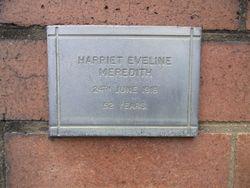
In the 1913 electoral roll Harriet and John were living at Raymond Terrace, where he was a doctor and she was doing domestic duties. Harriet passed away on 24th June 1919. Apparently, she was one of the millions who died in the influenza plague in 1919. An obituary from a local newspaper is on file at the museum and although she had a cold, appeared to be fine and was doing household duties until midday. She was found dead at 1pm in the dining room. Dr Meredith was away dealing with the epidemic at the time. It went on to say where their children were, as none were at home. The funeral was large and she was buried in the Church of England section of the cemetery.
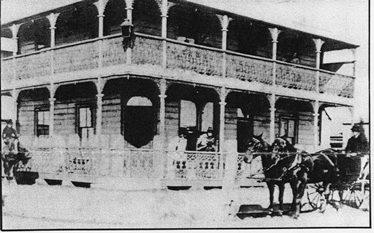
The early surgery of Dr Meredith and Commercial Banking Company of Sydney premises from 1891 to 1921.
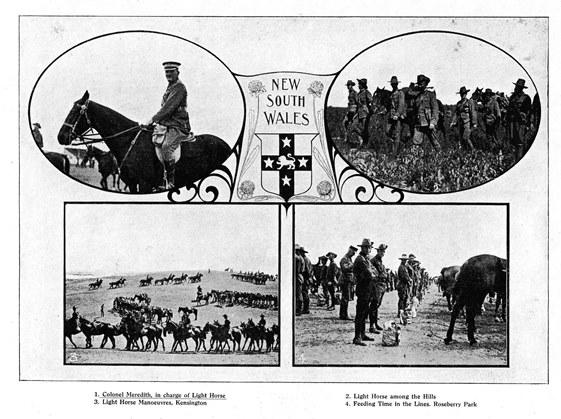
John applied for a Commission in the 1st Light Horse Regiment AIF on 2nd September 1914. He stated his educational qualifications to be LRCS & PE etc. For Military Qualifications and previous Military Service, he stated Lieutenant-Colonel Commanding 6th Light Horse and Medical Officer “Citizens Bushmen Africa”. Being born on 11th November 1864 in Queens County Ireland, he stated his age as 49 years and 10 months, a British subject and his religion was Church of England. He was married and put his next of kin as his wife, Eveline Meredith of The Bungalow, Raymond Terrace NSW; his stated address also. (Another page has her name written as Evelyn). His civil occupation was Medical Practitioner. He was 5 foot 11 inches tall, weighed 14 stone 2 pounds, had a chest measurement of 39 to 43 inches and his eyesight in both eyes was 6/6. John was recommended to be appointed as a Lieutenant-Colonel with Headquarters. His date of appointment with the AIF was listed as 28th August 1914. John was instrumental in the formation of the 1st Australian Light Horse Regiment, recruiting many of the men from Newcastle and surrounding areas into the Regiment. It was formed at Rosebery Park Sydney and John was appointed to command the regiment on 28th August 1914. A souvenir booklet was produced in October 1914 to serve as a record and memento of the New South Wales First Contingent of over 6000 men. It includes a picture of Lieutenant-Colonel J B Meredith on his horse, a group photo of Officers of 1st and 2nd Australian Light Horse Regiments and a Roll of Honor listing him in Headquarters of the 1st ALH Regiment. He was listed in Military Order 531 of 1914 under Precedence of Officers in the AIF as a Lieutenant-Colonel.
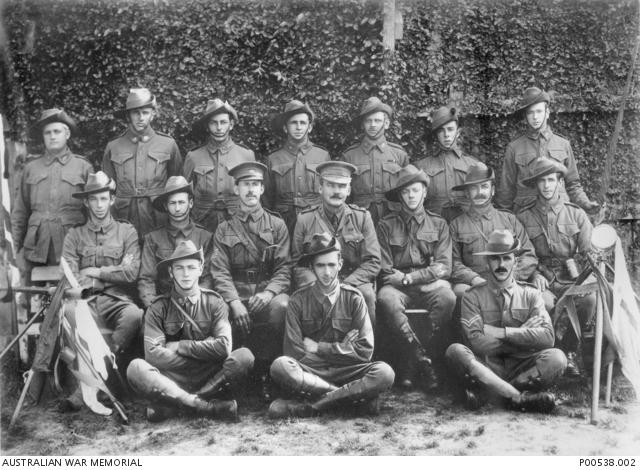
1914. THE 1ST LIGHT HORSE REGIMENT AIF. BACK ROW, A.J. MILLS, SERGEANT D.B. FITZGERALD, F.H. TOMLINS, S.J. PENBERTHY, C.M. FARRELL, G.C. MCGREGOR, T. CASSIDY. SECOND ROW, F. RIDDLETT, E. COBCROFT, SERGEANT-MAJOR WARNEFORD, COLONEL MEREDITH, J. TRAILL, HOWARD, S.R. CREIGHTON. FRONT ROW, CORPORAL L.C. MARSH, C. HOBSON, CORPORAL W. NELSON. P00538.002
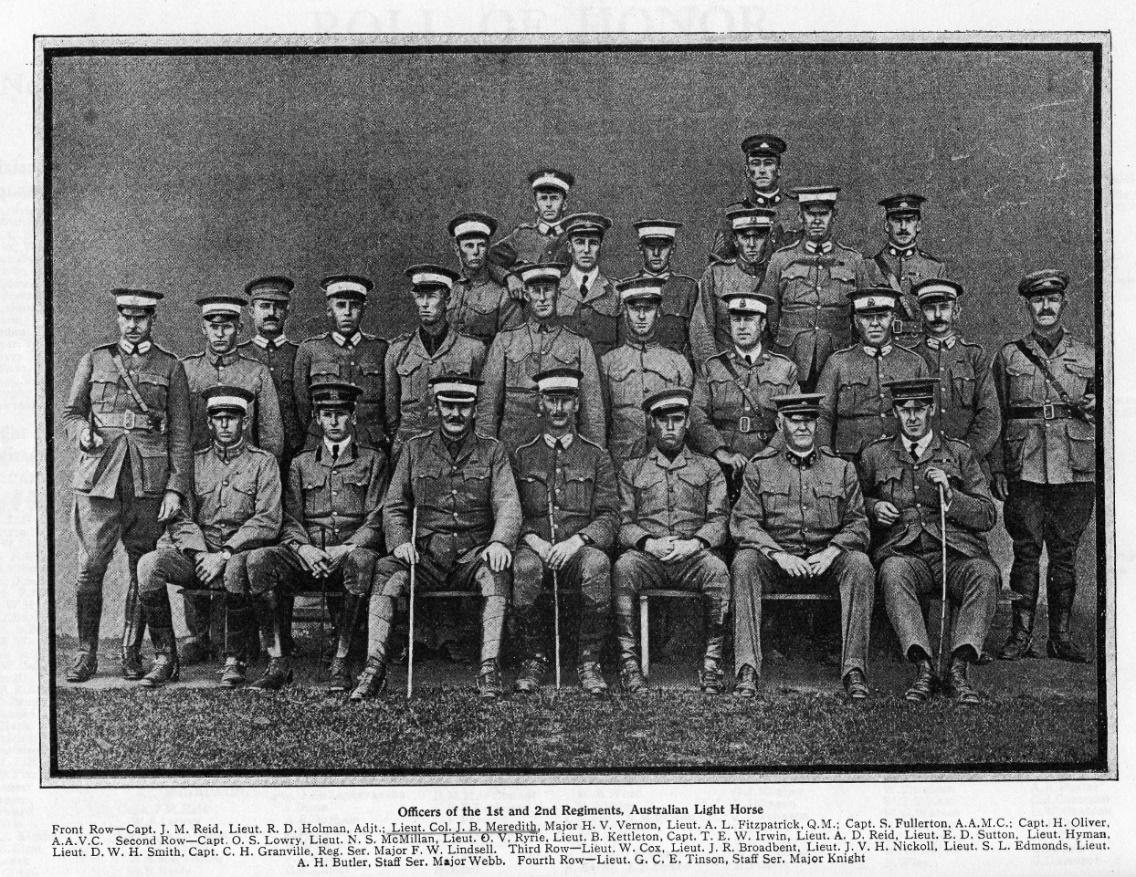
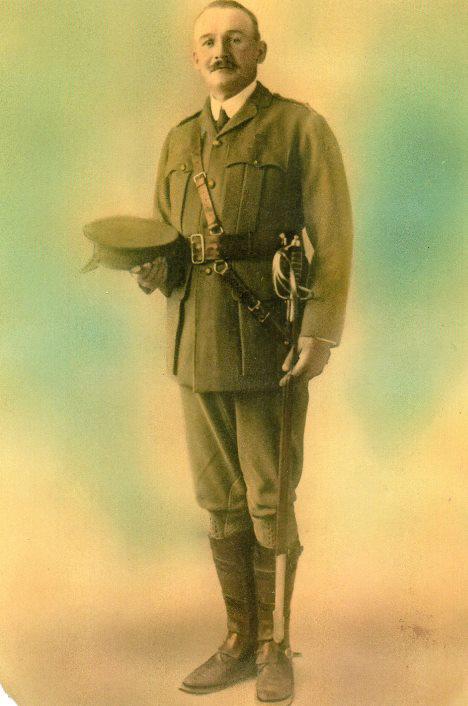
As Lieutenant Colonel in the 1st Australian Light Horse Regiment, he boarded HMAT Star of Victoria A16 at Woolloomooloo in Sydney on 20th October 1914. They anchored in King George’s Sound in Western Australia on the 26th. The convoy sailed for Aden on 1st November and on the voyage, the escort cruiser HMAS Sydney accounted for SMS Emden near the Cocos Islands on the 9th November 1914. They arrived at Suez on 1st December and disembarked for training in Egypt.
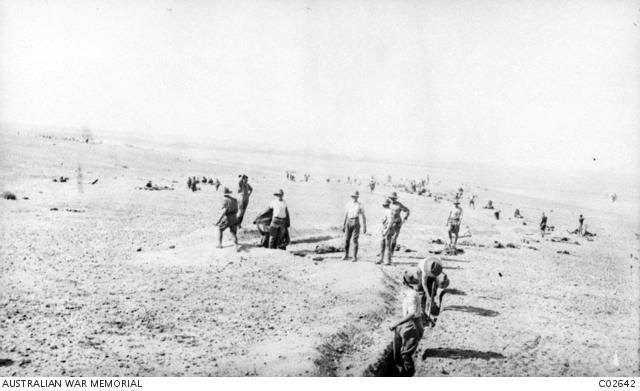
Australian soldiers completing the third stage of digging trenches in the desert, Egypt. Lieutenant Colonel John Baldwin Meredith is seen removing his coat in the centre of the photograph. C02642
The AWM has an entry listed as “Brigadier-General Meredith, and staff, at the head of the column in the March Past after General Allenby had inspected the Division of composite troops. B02604” but there is no photo for that entry available on the site.
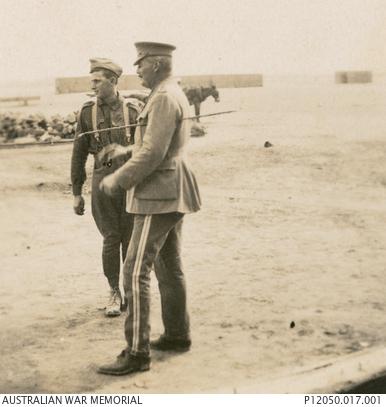
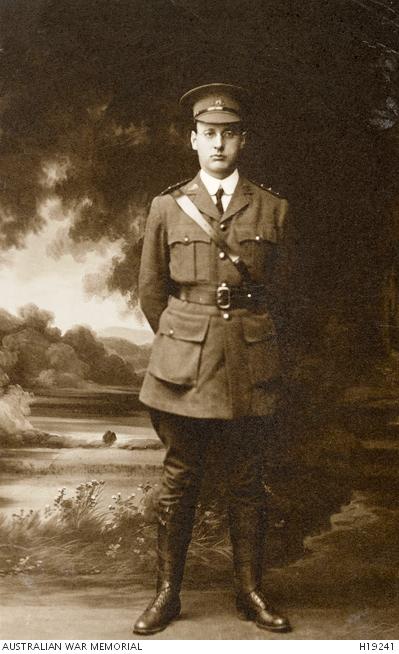
Informal portrait of, right, Colonel (Col) John Baldwin Meredith, 1st Light Horse Regiment, commanding officer of the regiment. Col Meredith had served in the New South Wales Citizens Bushmens Contingent during the South African (Boer) War and as the commanding officer of two militia regiments prior to enlisting for service in the Australian Imperial Forces. He was awarded a Distinguished Service Order and the Serbian Order of the White Eagle, Fourth Class, in 1917. One of a series of photographs from an album relating to the service of Lieutenant William Hopkin ‘Hop’ James, 1st Light Horse Regiment. P12050.017.001
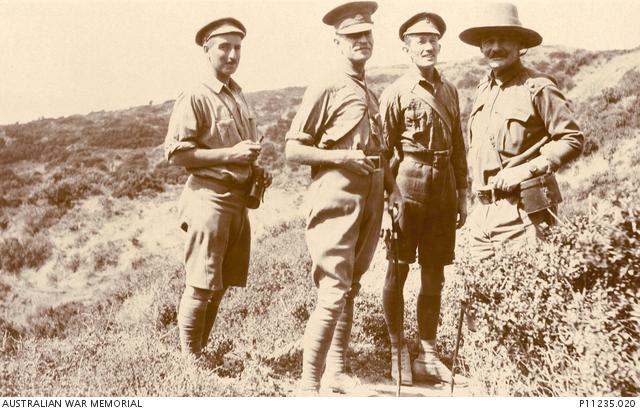
L to R, Lieut Bell, General Chauvel, Major Williams, Colonel Meredith. From a collection relating to the service of Captain Percy Fiaschi, Australian Army Medical Corps, (later Lieutenant-Colonel, OBE), serving with the 1st Light Horse Field Ambulance in Egypt and as Regimental Medical Officer with the 3rd Light Horse Regiment at Gallipoli. [See images P11235.001 to P11235.040] P11235.020
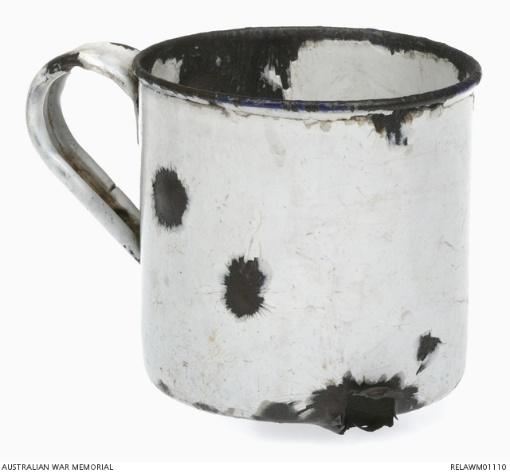
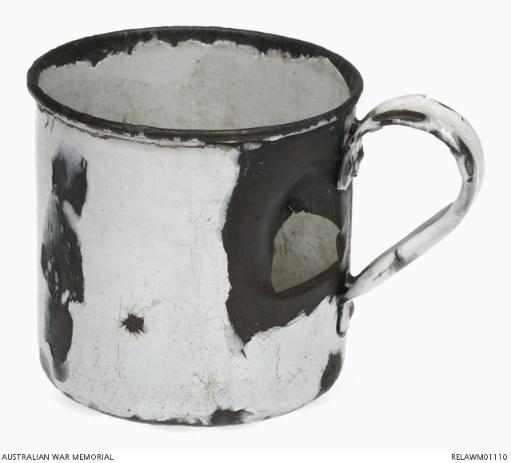
White enamelled metal mug showing shrapnel damage. The metal has been pierced in two places: the entry point at the middle-left of the handle and the exit point at the opposite bottom right. Shellfire was a continual hazard at Gallipoli. This shrapnel damaged mug was used by Lieutenant Colonel John Baldwin Hoystead Meredith during his service there.
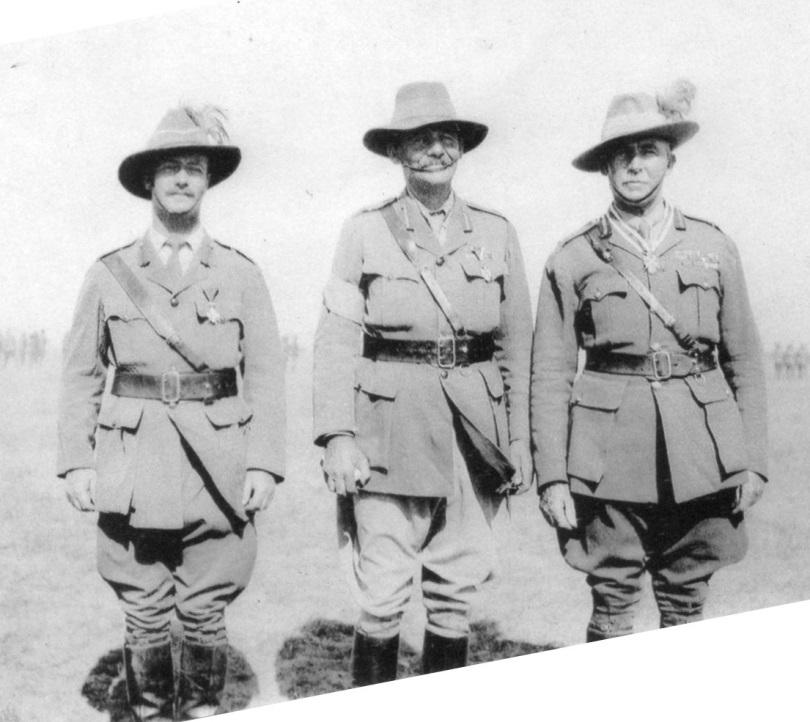
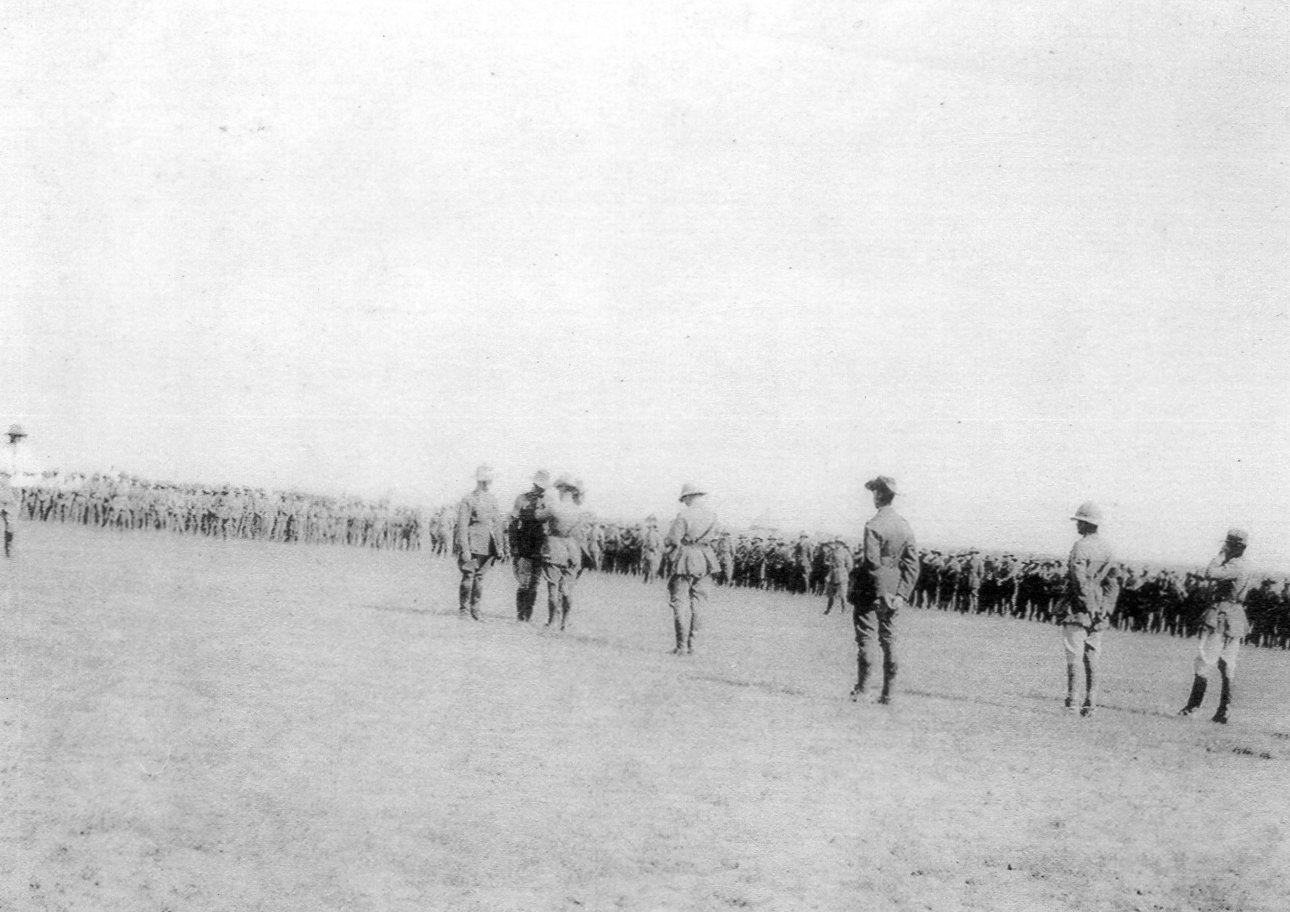
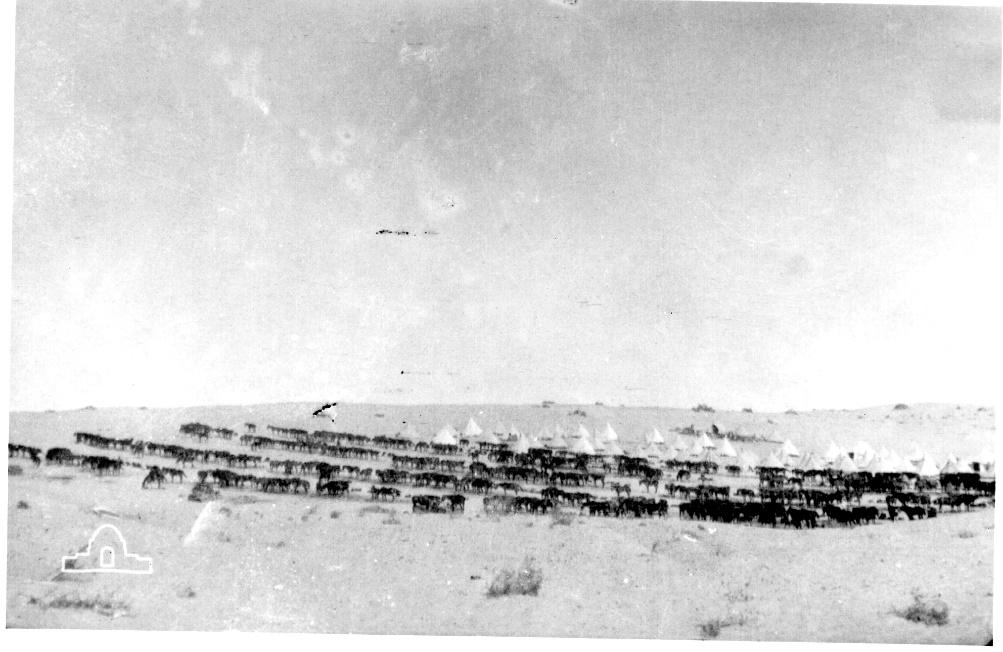
On 22nd August 1915, he proceeded to join the Mediterranean Expeditionary Force at Gallipoli on the Huntsend, reporting for duty on 28th August 1915 on the Gallipoli Peninsular. He was transferred to temporarily command the 1st Light Horse Brigade on 6th November 1915, returning to his unit on the 29th. During the evacuation of Gallipoli, Colonel C F Cox CB VD, in an operational order, noted that for embarkation “the Brigade Commander embarks with B Party on second night. Lt.-Colonel J.B. Meredith will command remainder of Brigade.” From the Horoata, he disembarked at Alexandria on 27th December 1915. On 14th January 1916 he proceeded to join the EEF Force in Egypt. John was to temporarily command the 1st Light Horse Brigade at Sohag on 11th May 1916 as Brigadier-General Cox was sick. He was to be a Temporary Colonel while commanding the 1st Light Horse Brigade with the Egypt Expeditionary Force on 5th June 1916. On 25th August 1916 he relinquished his temporary rank of Colonel on ceasing to command the 1st Light Horse Brigade. The next day he returned to the 1st Light Horse Regiment.
He was a Temporary Colonel from 5th June 1916 to 25th August 1916. From 11th May 1916 to 25th August 1916 he was also Temporary Commanding Officer of 1st Light Horse Brigade.
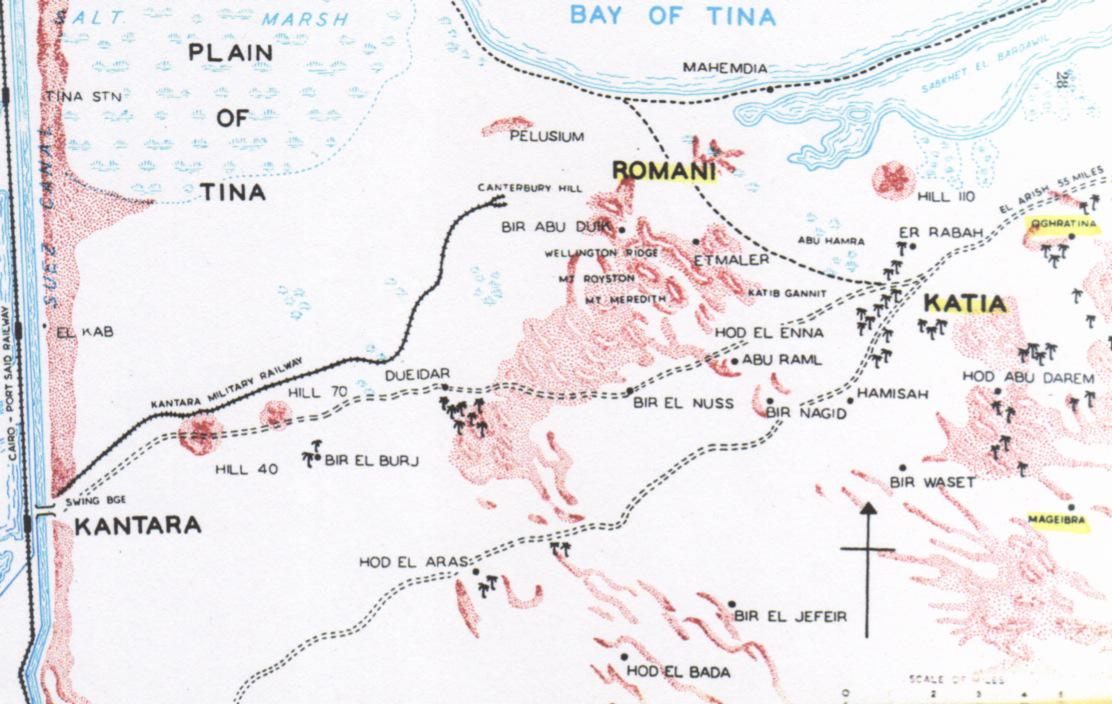
John was involved in the Battle of Romani that was fought between the 3rd and 5th August 1916. It was the last ground attack on the Suez Canal and was the first British Empire victory against the Ottoman Empire in the war, ensuring the safety of the Suez Canal. Taking Romani would have brought heavy artillery in range of the canal. Lieutenant-Colonel John Meredith commanded the 1st Light Horse Brigade as part of the force responsible for the defence of Romani when the battle began. With other officers, he studied the area closely where his Light Horse was to hold the attackers until flanking attacks began. The 1st Light Horse Brigade had formed the selected outpost line across the entrances to the sand-dunes between Katib Gannit and Hod el Enna, to cover entrances to the Romani positions. One great feather-edged dune was named Mount Meredith. During the night of the 3rd, forward German and Ottoman troops engaged the screen established by the 1st Light Horse Brigade. After the moon set, the Germans and Ottomans made a bayonet charge on Mount Meredith. John realised the strength and purpose of the Turkish attack and that his slender and scattered line must be pierced and broken. Fierce fighting before dawn caused the 1st Light Horse Brigade to slowly retire and evacuate the position and fall back to Wellington Ridge. General Harry Chauvel relied on the steadiness of the Brigade to hold the line until dawn, when he could assess the position. He saw the weaknesses then and got the 2nd LH Brigade to fill them in. They were forced off the ridge but the attackers were unable to press further as they were now exposed to fire from the entrenched infantry and artillery. A flanking movement pushed them back, with John being ordered to withdraw his Brigade to behind a line. The attackers had exhausted themselves and the advance was at a standstill. Reinforced by other mounted Brigades they contained and directed the determined German and Ottoman forces into deep sand and into fire from entrenched troops near Romani and the rail line. Due to the coordinated resistance, the deep sand, heat and thirst the attack was checked and then pushed back to their starting point at Katria. The 1st Light Horse Brigade was part of the counter-attack which involved the re-taking of Mount Royston. By the end of the 5th, the Brigade was totally exhausted, having defended and fought fiercely over the last few days. Mounted units continued to harass the retiring force and caused them to fight a number of strong rear-guard actions, until the pursuit ended on 12th August. The attackers lost a lot of men and had about 4000 captured. After the battle, General Chauvel said “Romani was the first decisive victory attained by the British Land Forces and changed the whole face of the campaign in that theatre, wresting as it did from the enemy, the initiative which he never again obtained. It also made the clearing of his troops from Egyptian territory a feasible proposition.” General Sir Archibald Murray lavished praise on the Anzac Mounted Division in cables and in a letter wrote “Every day they show what an indispensable part of my forces they are … I cannot speak too highly of the gallantry, steadfastness and untiring energy shown by this fine division throughout the operations … These Anzac troops are the keystone of the defence of Egypt.”
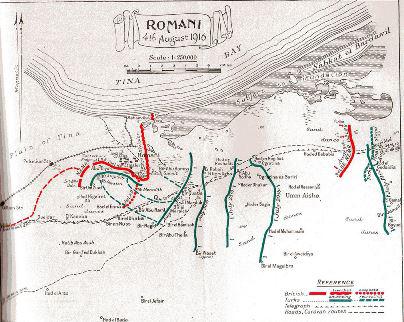
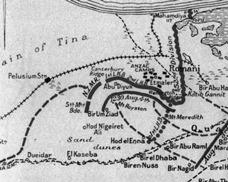
After the Battle of Romani in Sinai on 4th and 5th August 1916, Lieutenant-Colonel J B Meredith wrote an account of the actions of the 1st Light Horse Brigade AIF which was added as an appendix in their War Diary.
Eveline wrote a letter to Base Records on 14th August 1916, asking them “Will you please let me know correct way to address letters etc to men in 1st Australian Light Horse Regt? My husband Lieut-Col J. B. Meredith, commands this Regt. And I am naturally anxious he should get my letters etc as quickly as possible. I note the change in address from Intermediate Base Depot Egypt. Does this apply to the Australian Light Horse Regt? I shall be thankful to know exact correct address & thanking you in anticipation”, and signed off. Their reply on 17th August 1916 stated the correct postal address was “Lieut.-Colonel J. B. Meredith, 1st Light Horse Regiment, 1st Light Horse Brigade, Anzac Mounted Division, Australian Imperial Force, EGYPT.”
On 31st August 1916 he was granted 3 months leave to Australia by GHQ. On 2nd September 1916 he embarked on Ascanius and left Suez to Australia for 3 months furlough. The ship also had invalids on her. The White Eagle of the 4th Class was bestowed to John by the King of Serbia for Distinguished Service and was recorded in EEF Orders List 192 of 7th September 1916.
A letter was sent to Eveline from Base Records on 19th September 1916 letting her know that John was returning and was due in Sydney in late September and that nothing else could be disclosed. He arrived in the 2nd Military District on 29th September 1916 from Egypt on Ascanius.
On 11th October 1916 he was Mentioned in Despatches by General Sir Archibald Murray.
Returning from Australia (from Sydney on 9th December 1916), he disembarked at Suez from A44 Vestala on 19th January 1917. John was awarded the Distinguished Service Order on 20th January 1917.
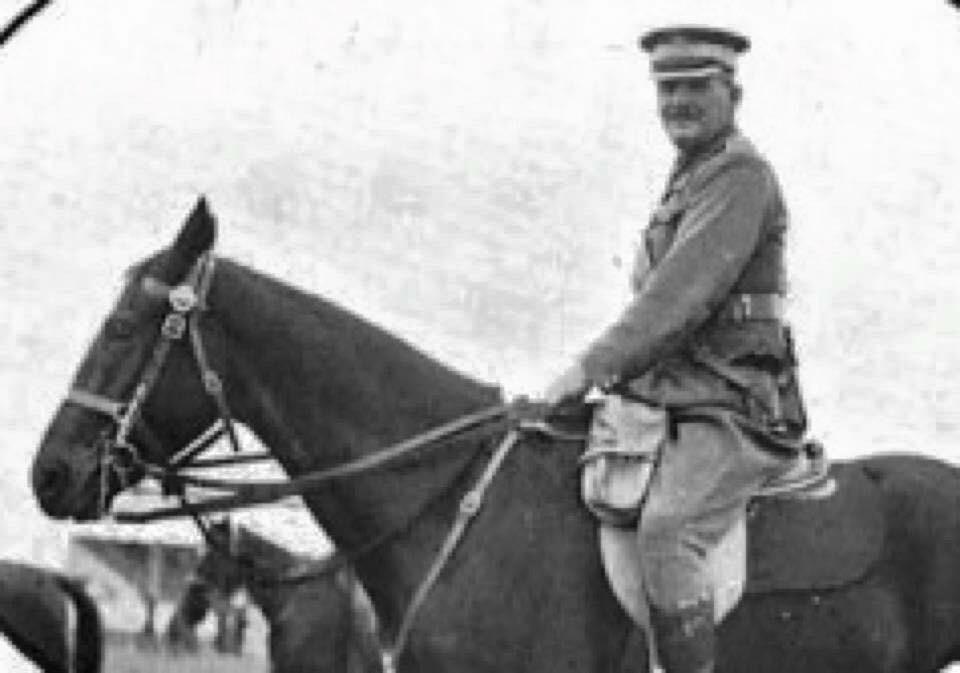
He was Mentioned in despatches as a Lieutenant Colonel in the 1st Australian Light Horse Regiment in the London Gazette on 1st December 1916 on page 11807 at position 3.
The British Army List of 1917 records him as a Lieutenant Colonel with Australian Commonwealth-Gradation List. The 1918 list says Graduation List of Officers. He was a Temporary Brigadier-General from 15th February 1917.
He was awarded the Distinguished Service Order as a Lieutenant-Colonel 1st Australian Light Horse Regiment, as recorded in the London Gazette of 1st January 1917 on page 28 at position 49. It was awarded for the Battle of Romani, the first major victory by the Allied forces in WW1.
Serbian Order of the White Eagle, Fourth Class (with Swords) was awarded to John as a Lieutenant-Colonel in the 1st Australian Light Horse Regiment and recorded in the Sixth Supplement to the London Gazette on 15th February 1917 on page 1607 at position 15. It also records that the award was part of the decorations and medals conferred by His Majesty The King of Serbia in September and October 1916 and also notes that “His Majesty the King has given unrestricted permission in all cases to wear the Decorations and medals in question.”
A cable sent from Egyptforce at Cairo to Defence in Melbourne on 12th February 1917, and received on that day, advised that the Commander in Chief had accepted a recommendation by the General Officer Commanding Australian and New Zealand Forces Egypt for Lieutenant-Colonel J B Meredith DSO 1st Light Horse Regiment to command the 4th Light Horse Brigade. He was transferred and was taken on strength to command the 4th Light Horse Brigade EEF with the rank of Temporary Brigadier-General on 13th February 1917. John was to be Colonel on 1st May 1917 and was to retain the honorary rank of Brigadier-General. He was struck off strength of EEF at 4th LH Brigade Headquarters on 13th September 1917.
Eveline wrote to Base Records from The Bungalow, Raymond Terrace NSW on 12th March 1917, asking if she could have the correct address for John to write to. She said how he had left in 1914, had a furlough in 1916, returning to Egypt from Sydney in December 1916 and she had no idea how to address letters to him. She added “I had a private cable from my husband saying he has been promoted Brigadier General. I know Lt-Col. C. H. Granville is commanding 1st L. Horse Regiment. I shall be most grateful for any information you can give me & for correct address as I have no idea of which Brigade he has.” She needed to send him important correspondence by registered mail. Their reply on 15th March, giving his address as “Brigadier-General J. B. Meredith, 4th Light Horse Brigade, Australian Imperial Force, Abroad.” They also added that a cable had been received noting he was recommended to command the 4th LH Brigade.
On 25th April 1917, Base Records sent Eveline a letter letting her know that Lieutenant-Colonel J B Meredith of the 1st Light Horse Regiment had been Mentioned in Despatches in Supplement No 29845 to the London Gazette of 1st December 1916. “In accordance with the final paragraph of the Despatch dated 1st October, the following are mentioned for distinguished services rendered during the period of General A. J. Murray’s Command of the Egyptian Expeditionary Force” which included John’s name. He was promoted to Colonel and Temporary Brigadier-General on 1st May 1917.
John was promoted to the rank of Colonel on 1st May 1917.
Base Records sent Eveline a letter on 4th July 1917 “I have much pleasure in forwarding hereunder copy of extract from Third Supplement No.29986 to the London Gazette of 29th December, 1916, relating to the conspicuous services rendered by your husband, Lieutenant-Colonel J. B. Meredith, 1st Light Horse Regiment.” He was awarded the Distinguished Service Order and “HIS MAJESTY THE KING has been graciously pleased to approve of the above-mentioned reward for distinguished service in the Field, dated 1st January, 1917.”
Eveline received another letter from Base Records, dated 6th August 1917, which was a “Copy of extract from Sixth Supplement No. 29945 to the London Gazette of 13th February, 1917, relating to the conspicuous services rendered by your husband, Lieutenant-Colonel J. B. Meredith, D.S.O., 4th Light Horse Brigade.” The award was the Order of the White Eagle 4th Class (with Swords) and was conferred by His Majesty The King of Serbia.
On 21st September 1917, Base Records wrote to Mrs E Meredith at her usual address, letting her know that “Advice has been received by cable which states that your husband, Brigadier-General J. B. Meredith, 4th Light Horse Brigade Headquarters, (late 1st Light Horse Brigade) is returning to Australia. Owing to instructions, it is regretted that no details concerning the name or arrival of the Steamer by which the abovenamed Officer is returning can at present be disclosed, but it is suggested that you watch the newspapers, as the names of all those returning to Australia are published in the Press a few days before the expected arrival of ship in Port.”
He embarked on HT Wiltshire at Suez on 12th November 1917 for Australia under Authority DAG GHQ memo 13001 dated 18th September 1917 OC Troops. John was struck off the strength of his unit in the EEF on the same day. His appointment was terminated, for family reasons, on 3rd January 1918.
In the AIF, the rank of Brigadier-General was a temporary rank granted while an officer was serving in that particular capacity. The officer then returned to his prior substantive rank.
John signed for his Form of Commission as Lieutenant-Colonel J B Meredith 1st Australian Light Horse on 8th January 1918. On the 9th, Eveline wrote to Major Lean at Base Records, saying “I must apologise for not returning the enclosed receipt & also for its condition – untidy state etc- My husband arrived on Dec 20th & of course great joy prevails in the Meredith Camp!! Excuse me writing in this strain but I have had so many communications from you that I feel I know you.”
After the war, John was active in establishing the Returned and Services League in Newcastle. He was held in high regards by his troops and was the most senior officer from the Raymond Terrace area to serve in WW1. From 1920 to 1921, he commanded the 2nd Light Horse Brigade and from 1921 to 1923, John commanded the 2nd Cavalry Brigade and retired as an Honorary Brigadier-General.
On 29th January 1919 Base Records wrote to Brigadier-General J B Meredith DSO at The Bungalow Raymond Terrace NSW, advising him “I shall be obliged if you will favour me at your earliest convenience with advise as to whether you desire the Distinguished Service Order, which was awarded to you whilst serving with the Australian Imperial Force, to be presented to you on some public occasion or whether you would prefer it to be transmitted to you direct. The decoration is now to hand from the War Office and it is desired to dispose of it at the earliest possible moment. It is proposed, if you do not desire otherwise, to ask His Excellency the Governor-General to arrange for the presentation on some suitable occasion.” John replied on 14th February 1919, saying “In reply to your NO 82873. I hope to be in Sydney at Easter time, if His Excellency is making presentations at that time it would suit me.” Base Records replied on 1st March 1919 letting John know that the medal had been forwarded to the Governor-General and would be presented as he indicated. On 30th October 1919 his leave gratuity was passed.
John signed for two oak leaves (one large and one small), his Mentioned in Despatches emblems on 6th September 1920 (sent 27th August) and the receipt was received by Base Records on the 9th. He signed for a “Certificate for mention in Despatches, London Gazette No. 29845. Cert. No. 2880. (Brig-Genl. J.B.Meredith, D.S.O., 4th L.H. Bde. H’Qrs.).” on 20th November 1920 (sent on the 16th) and it was received back at Base Records on the 23rd.
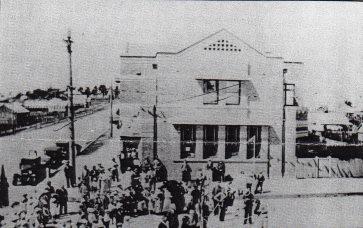

New premises for Dr Meredith and CBC Bank at the same site, opened in 1921.
John appears in Who’s Who in Australia in the 1922 edition as “MEREDITH, Brigadier-General John Baldwin, D.S.O. (New South Wales) ; b. Derryclough, Rosenallis, Queens Co. Ireland. 11 Nov. 1864; s. of William Meredith ; ed. Corrig School, Kingstown Co. Dublin. Resident at Richmond, Whitworth, and Hardwick Hospitals Dublin, L.R.C.S.E., L.R.C.P.E., L.M., practised his profession at Raymond Terrace N.S.W., where he was appointed Government Medical Officer ; joined Hunter River Light Horse soon after his arrival in Australia in the late eighties. Saw service in South African War with the Bushmen’s Contingent and took part in the relief of Mafeking ; formed a troop of Light Horse at Raymond Terrace in 1905, and at the time of the European War was in command of 6th Light Horse Regiment, C.M.F. Left Australia in command of 1st Light Horse Regiment 1914, had temporary command of 1st Light Horse Brigade at Gallipoli 6 to 28 Nov. 1915, and on Sinai Peninsula 11 May 1916 to 24 Aug 1916; formed 4th Light Horse Brigade Feb. 1917, and was in command until return to Australia Dec. 1917, promoted Brigadier-General Feb. 1917; D.S.O. Romani 1916, and Serbian White Eagle. Breeds pure bred Jersey cattle from imported stock and owns Leigh Jersey Stud Farm, Raymond Terrace; Vice-President of Jersey Herd Society of N.S.W. m. 1890, H. Eveline, d. of T. G. Waters C.E., Co. Kildaire, Ireland; son-J.W.B. Meredith enlisted May 1918, was in camp when armistice was signed; daus. Marjorie, m. Lieutenant W. H. Mackay, 12th Light Horse Regiment. Recreation-Field Shooting. Address-The Bungalow, Raymond Terrace, N.S.W.”
On 17th October 1921, John married Alice Christina Mowbray Windeyer at St John’s Anglican Church. She had been born on 18th June 1901 in Raymond Terrace, a daughter to Archibald James Windeyer (1874-1943) and Alice Gordon Croudance (1876-1942) who had been married in Lambton, New South Wales in 1900. The Windeyer’s lived at Kinross House in Raymond Terrace and were property owners/wine growers as noted here – http://adb.anu.edu.au/biography/windeyer-archibald-1055 .
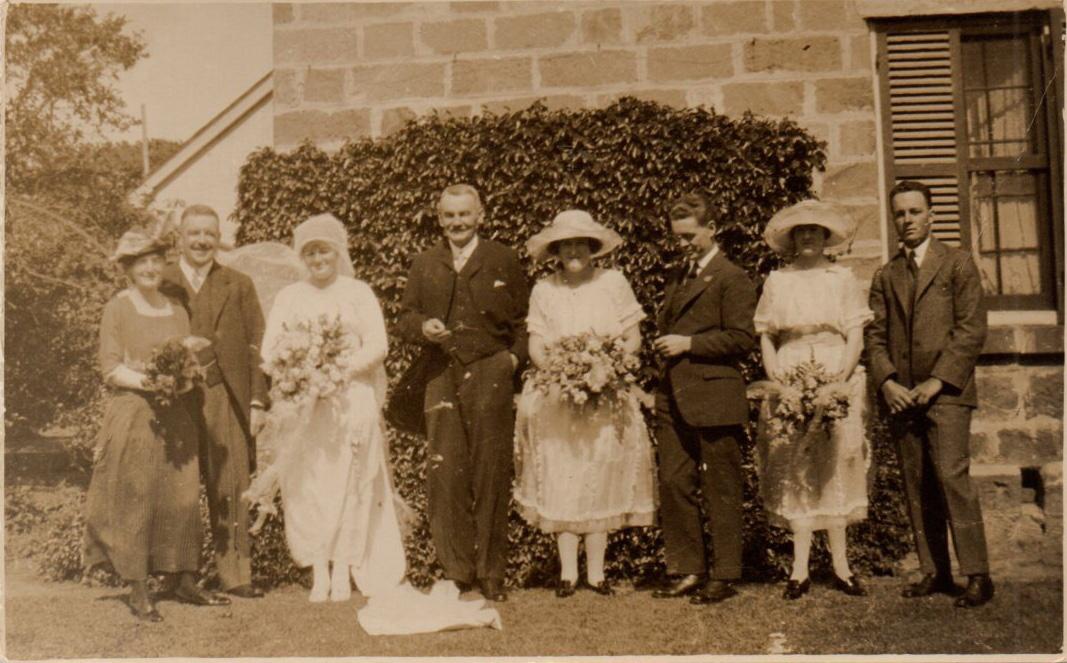
Their Wedding Photo (Left to Right)- Alice Gordon Windeyer nee Croudace, mother of the bride; Archibald James Windeyer, father of the bride; Alice Christina Mowbray Windeyer, left side of John Baldwin Hoystead Meredith; Rachael Windeyer, sister of the bride; Lieutenant Zittler, Best Man; Sybil Monkley, Matron of Honour; John Gordon Windeyer, brother of the bride.
Their first child and only daughter, Elizabeth, was born in 1922 but sadly died on 25th September, aged 6 weeks at the Bungalow in Raymond Terrace.
William Archibald Meredith was born on 20th June 1924 in Raymond Terrace. He served in WW2 in the RAAF with the service number 69953, enlisting on 8th September 1942 in Raymond Terrace. He was discharged as a Leading Aircraftman with 5th Operational Training Unit on 30th October 1945. His service record is open but not online. The 1954 electoral roll has him living at Coonanbarra, Pacific Highway with Mollie Meredith as a farmer. In the 1980 electoral roll he was living at Kinross Estate with Mollie and his family and was a farmer. He died on 12th December 2004.
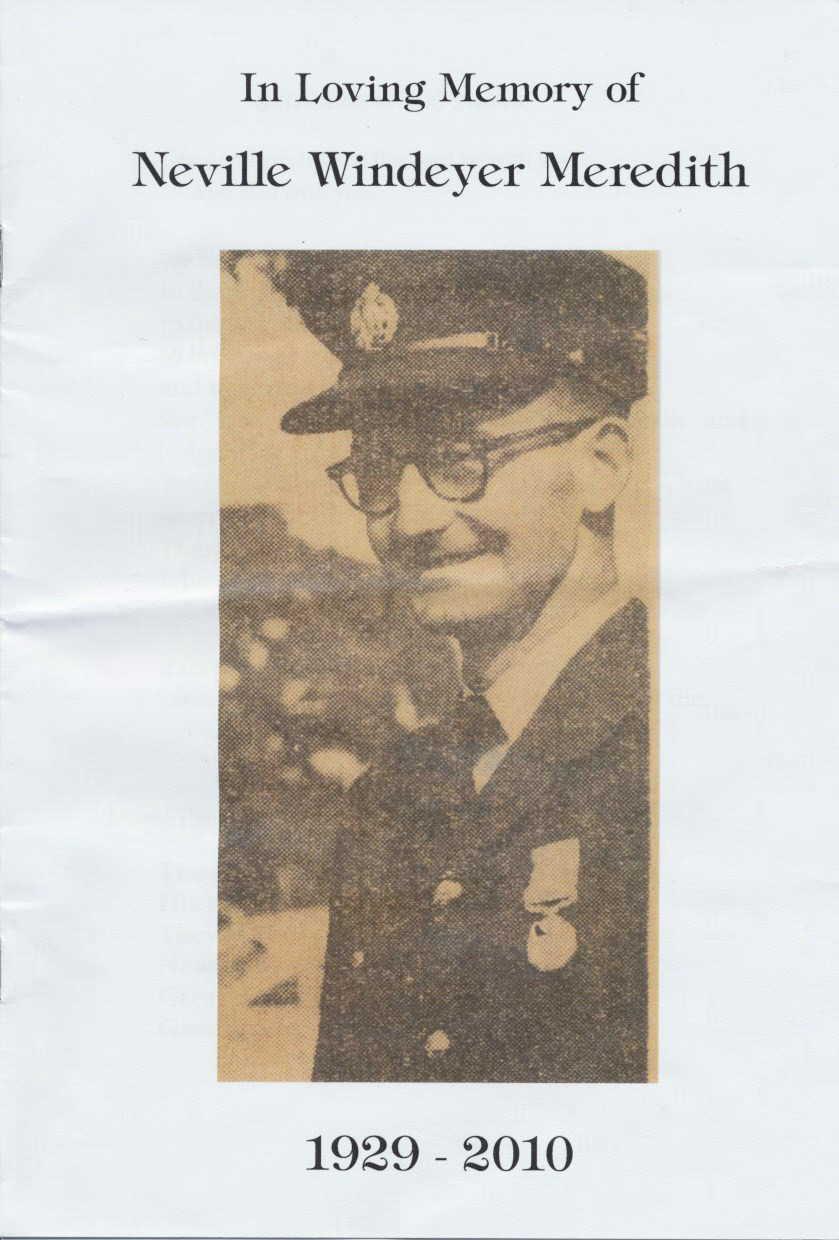
Neville Windeyer Meredith was born on 27th February 1929 at Kinross, Newcastle NSW. The 1954 electoral roll has Neville living at Coonanbarra Street Raymond Terrace with Mollie Meredith doing home duties and his brother William as a farmer. Neville was listed as an airman. In the 1977 electoral roll he was living at Sandwich Street Kamerunga via Cairns with Merle Irene Meredith and was a service manager. He died on 15th April 2010 in Ipswich Hospice.
James Baldwin Meredith was born on 4th October 1930 in Raymond Terrace. In the 1954 electoral roll he was living at Kinross, Raymond Terrace and was a dairy farmer. By the 1958 roll it had changed to off Kinross Street and he was still a dairy farmer. In the 1980 roll he was off Parkway Avenue Raymond Terrace with family and he was a farmer. He died on 10th July 1994 at Muswellbrook NSW.
Their last child and son, Thomas Gordon Meredith, was born in 1939 in Raymond Terrace. By the 1968 electoral roll he was living at 559 Pacific Highway Mount Colah NSW with Merril Noleen Meredith and he was a trainee engine driver and she was doing home duties. In the 1977 electoral roll they were living at 20 Thomas Street Cairns and he was a contractor. The 1980 roll has the same information. He died in 2017 in Cowra NSW.
A relative, Edward Windeyer, also served in the Boer War and was a Captain in the 4th Australian Light Horse in 1911. During WW1 he was a Major with the 7th Australian Light Horse, serving at Gallipoli and Romani, where he was wounded and he was invalided home in 1917. Archibald James Windeyer wrote of his son-in-law: “He went to South Africa with the Medical Corps, in 1900, and got the Queens Medal with 4 clasps. In 1914 he left in command of the 1st Light Horse Regiment and finished up Brigadier-General in command of the 4th Light Brigade. Meredith has really had a wonderful record and is outstanding as a country practitioner, in pneumonia cases he is wonderful and I’ve begged him to write a thesis.”
Alice lived the rest of her life in Raymond Terrace at Kinross, in her later years with William and Mollie. She died on 25th November 1966.
John was described as a well-built, athletic person with a great zest for life and he had a popular and successful medical practice. He also loved animals, having many dogs and was vice-president of the Jersey Herd Society of New South Wales.
A newspaper article about a meeting held at the Newcastle Drill Hall in 1937 of the Desert Mounted Corps Association mentioned they toasted the Corps as “the most ‘magnificent mounted force’ the world has ever seen, galloping against entrenchments for the first time. A toast was also submitted to the memory of the horses and Brig-General J.B. Meredith lamented the fact that light horsemen were being made into machine gunners.”
John Baldwin Hoystead Meredith died on 1st January 1942 and was cremated.
The Raymond Terrace Examiner and Lower Hunter and Port Stephens Advertiser on Thursday 8th January 1942 in page 4 had his obituary. “A wave of profound sorrow passed over the Raymond Terrace and adjoining districts when it was announced that Dr. J. B Meredith had died m Maitland Hospital on Thursday night last. He had gone to the hospital only a few days before suffering from an attack of heart trouble and his condition created anxiety with his household. Some two months ago he had to rest for a few weeks on account of the same trouble but appeared to have fully recovered as he again entered upon his professional duties. However, unfortunately, the hopes of his again fulfilling his useful daily routine were shortlived, as he failed to rally in spite of the best skill and attention. He had reached his 78th year but was acute in all his faculties, and only retired from active public life a month ago. His death is mourned all over the districts, as he had been the family doctor for so many and for 53 years, that it is hard to think his familiar salutation and kindly advice and attention to his patients will be heard no more, he was most popular as a medical man, and enjoyed the utmost confidence of his patients which in many instances was half the battle to their recovery. In lung and chest complaints he had a reputation second to none other in the state. During the whole of his long practice he lost no more than half a dozen patients under his treatment for pneumonia, and there had been cases where, when other doctors had given, up hope of their patient’s recovery and had suggested giving Dr. Meredith a trial, he had pulled the patients through. He came to Australia as a single young man of 21, and was a native of County Kildare, Ireland. He came to Raymond Terrace and purchased the practice of Dr. Allan, his surgery then being where the Commercial Bank is now situated. Later he purchased from the late Mr. H. Slade, the property where, he resided up to the time of his death. In his younger days he was a keen sportsman, a good footballer, and a fair cricketer, a good footrunner, and field shot, in fact a fine all-round athlete. He at one time took an active interest in the turf and trained and raced several horses. He was one the State’s noted Jersey dairy stock breeders and introduced into the State at various periods from England, America, New Zealand and elsewhere some of the finest Jersey blood in Australia. He was a regular competitor at Sydney and Maitland Shows, and never faded to secure first prizes with most of his exhibits. On one occasion his cow Sultan V, was awarded that much coveted honour the grand champion prize at Sydney Show against the best Australia had in competition. He followed the keeping of the stud for many years, but about five years ago, abandoned the fancy and sold all his stud herd. He was an active public man and early in his residence at Raymond Terrace effected a most important reform in sanitary arrangements having the pit system of sanitation abolished for the pan system. His advocacy of this reform and its accomplishment led to Raymond Terrace becoming in after years, almost if not entirely free from typhoid, an epidemic of which raged in the town, for two or three years, but which ceased on the abolition of the pit. In other ways too, he accomplished benefits for the public. The bad roads prevailing in the earlier days were a source of annoyance to him as they meant slow transport to and from his patients. The road to Williamtown in earlier years was almost sand from Windeyer’s Creek to Williamtown. Here and there were bypasses along or through the swamps. His advocacy of better roads resulted in grants being obtained for the Williamtown road and the sand track eventually became a macadamised road. Dr. Meredith was an alderman of Raymond Terrace for many years, and at various times Mayor. On the inception of local Government he entered the Port Stephens Shire Council and became a councillor. He was a Councillor for many terms and frequently President. He only ceased being a Councillor on December 6th last, and retired then on account of ill-health. His long service to the public is appreciated and his genial and honest disposition will live long in the memory of those who met him frequently. He was twice married, his first wife coming from Ireland to marry him, a year or two after he arrived in Australia. His second wife is the eldest daughter of Mr. and Mrs. A. J. Windeyer of Kinross. Dr. J. B. W. Meredith, (who has just returned from the front) is a son, and Lady Mackay, (wife of Sir Iven Mackay, General Officer Commanding Australia’s Home Forces) and Mrs. Muriel Mackay (at present in London serving with the Ambulance there) are daughters of the earlier marriage. There are four sons of the second marriage, the eldest being Mr. W. Meredith, (17) and the youngest two years. The late Dr. Meredith also gave several years of his life in the military service of his country. He was at the Boer War, and also at the 1914-18 war, in Egypt, and Palestine and had the rank of Brigadier-General. The funeral was a representative one, and took place on Friday last to the Crematorium, Beresfield. The Union Jack covered the coffin which was borne on its way to the chapel by returned soldiers who served in his regiment or were at the 1914-18 -war. They were Major Windeyer, Trooper R. James, Pte. D. A. Horn: and Pte. H. Osborn who represented the Raymond Terrace, Stockton and Waratah branches of the R.S. and S. I. L. A. The Port Stephens Shire, of which Dr. Meredith was a councillor until last year, after serving a record term, was represented by the President, (Cr S. Parish), councillors and staff; the Primary Producers’ Union by the President, (Mr. G. J. Russell); the Raymond. Terrace Dairy Co. by the Chairman, (Mr. L B. Fisher) the manager, (Mr. P. A. Scarr) and directors; the Greater Newcastle Council by the Mayor, (Ald. W. E. Young), the mayor’s secretary, (Mr Cyril Adam), the City Treasurer, (Mr. O. Gavey) : and the Hunter Water Board, by the Assistant Secretary, (Mr. Thomas Mathieson) representing the President, (Mr. C G. Schroder.) Others present were Mr. W. Brown, ex-M. L. A., the Mayor of Dungog, (Mr. W. Scott), Drs. W. Nickson (Newcastle) and J. J. Hollywood, (Maitland), Brigadier McNeill, Mr. F. A. Cadell, (Newcastle), Mr. H. L. Wheeler, Archdeacon Woodd, and Canon Cadell, the manager of the Mascnute Corporation Ltd. (Mr. H. W. Morgan, and a number of soldiers of the South African and Great War, in both of which Dr. Meredith served. The Rev. H. Linton, of Raymond Terrace performed the rites at the Crematorium. He referred in his address to the Drs long association with the District and to his useful life as a public man, a soldier and a citizen. Dr. R U. Russell, formally Quarantine Officer of the Port of Newcastle, said; “Dr. Meredith came of a family that was noted for its versatility and ability. He made his name as a general, as a medical man, and as an agriculturist, and was a country gentleman.” We were at school together in Ireland. The friendship established at Arlington House, Port Arlington had never been broken. The school was in Queen’s County. I was an older boy than my friend. Three others I remember attending at the same time – Edward Carson, a great barrister and was knighted; Brian Maher, afterwards a General; and Spring Rice, of the Royal Engineers, also a General, who was the originator of the blockhouse in the South African war. As a boy Dr. Meredith came to Australia. That was some time before I did. We lost contact but renewed this later on the Hunter, where we have been for so long. He showed himself a worthy citizen and a fine sportsman, as were his people before him. A tribute is also added by Mr. J. P. Hanlon a former Mayor of Raymond Terrace and one who knew Dr. Meredith from his earliest arrival in Raymond Terrace; He says ; “The residents of Raymond Terrace and distinct have lost a worthy citizen in the death of Dr. J. B Meredith. His long service in all public matters was outstanding and I was always pleased to be associated with him while a resident there in Council, social and sporting meetings. His activity, as a military man and the fact he had taken part in two wars, will be remembered by all. As a medical practitioner there are many who can thank him for his attention and skill. I sympathise with Mrs. Meredith and all the members of his family.””
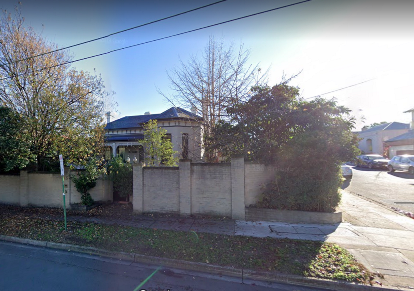
An addition in the Raymond Terrace Historical Society Bulletin notes “For approximately 50 years Dr Meredith lived in a large home, with gardens and stables, situated on a large allotment of land on the corner of Port Stephens and Glenelg Streets, at the southern end of Adam Place. Following his death, Mrs Meredith returned to live at Kinross. Dr Meredith’s home was demolished during the 1950s. At the time of writing, one cottage remains on this corner, the surrounding land being car parking for the newly built shopping complex. This cottage was removed to the corner site from a riverbank one, following the 1955 floods.”
The Newcastle Morning Herald and Miners’ Advocate on the same day had a tribute to him “In a tribute to the late Dr. J. B. Meredith, of Raymond Terrace, Mr. J. P. Hanlon, a former Mayor of that town, said: “For many years Dr. Meredith identified himself with every movement for the betterment of the town and district. As Mayor and an alderman of the old municipal council Dr. Meredith was instrumental in introducing many improvements, which stand to his credit to-day. As a medical practitioner his long service and devotion to the sick will be gratefully remembered. He served in two wars. His family has followed in his footsteps.””
There were many other tributes to him posted in other papers.
Victoria Wills & Probate have him listed as a Medical Practitioner residing in New South Wales, with the Grant date of 22nd April 1943. He is recorded in Andrews Newspaper Index Cards dated 17th January 1942 as “MEREDITH.- On Jan. 1, 1942, at Raymond Terrace, N.S.W., Australia, BRIGADIER-GENERAL JOHN BALDWIN MEREDITH D.S.O., aged 77 years. (Irish papers please copy.)” The NSW Index to Deceased Estate Files has a file, number 40225, for John Baldwin Hoysted Meredith of Raymond Terrace, a medical practitioner who died on 1st January 1942. The administrator was A C M Meredith and the date of grant was 2nd July 1942 with a value of nearly £11000.
The will for John Baldwin Hoysted Meredith a Medical Practitioner late of Raymond Terrace NSW recorded that he appointed his wife as executrix and trustee and also a law clerk in Raymond Terrace. The will was granted on 22nd April 1943. To John Baldwin Waters Meredith, he left his gold watch and chain and everything medical in his consulting room and furniture except a desk and photos which were his wife’s. He also left John £1000. His medals and decorations were to be split between his four sons, William Neville, James and Thomas as they could agree amongst themselves or on the trustee’s decision. Marjorie also got £1000 but Muriel only got £200 “because I consider she is provided for”. All furniture, books, pictures and other items not listed went to his wife as well as one house. The other house went to John (corner of Port Stephens Street and Glenelg Street). The rest of his estate, including life policies, were to be put in a trust and invested for the other four sons, to be paid a quarter of the total value when they reached the age of 25. There was a lot of writing to cover what would happen if a child died before reaching 25. He had signed the will on 17th April 1940. Probate was granted on 2nd July 1942. The estate was valued at over £10000.
A family member said of John, “he spent the majority of his adult life here (Raymond Terrace), revered by the local community as their Doctor, Mayor, Councillor, Patron of most sporting clubs, early President of the Newcastle RSL, and in between all that ran a successful Jersey Stud farm.”
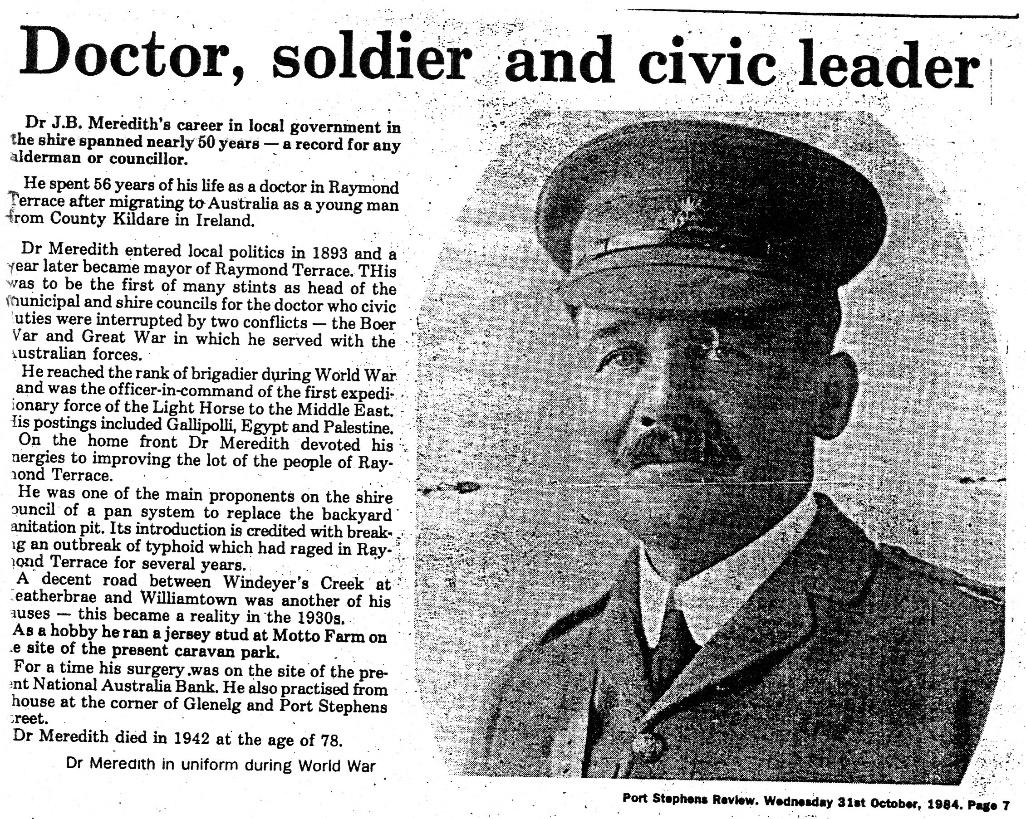
An article in the Port Stevens Review of 31st October 1984 on page 7 had the title “Doctor, soldier and civic leader” and went on to say: “Dr J.B. Meredith’s career in local government in the shire spanned nearly 50 years – a record for any alderman or councillor. He spent 56 years of his live as a doctor in Raymond Terrace after migrating to Australia as a young man from County Kildare in Ireland. Dr Meredith entered local politics in 1893 and a year later became mayor of Raymond Terrace. This was to be the first of many stints as head of the municipal and shire councils for the doctor who civic duties were interrupted by two conflicts – the Boer War and Great War in which he served with the Australian forces. He reached the rank of brigadier during World War and was the officer-in-command of the first expeditionary force of the Light Horse to the Middle East. His postings include Gallipoli, Egypt and Palestine. On the home front Dr Meredith devoted his energies to improving the lot of the people of Raymond Terrace. He was one of the main proponents on the shire council of a pan system to replace the backyard sanitation pit. Its introduction is credited with breaking an outbreak of typhoid which had raged in Raymond Terrace for several years. A decent road between Windeyer’s Creek at Heatherbrae and Williamtown was another of his causes – this became a reality in the 1930’s. As a hobby he ran a jersey stud at Motto Farm on the site of the present caravan park. For a time, his surgery was on the site of the present National Australia Bank. He also practiced from a house at the corner of Glenelg and Port Stephens Street. Dr Meredith died in 1942 at the age of 78.”
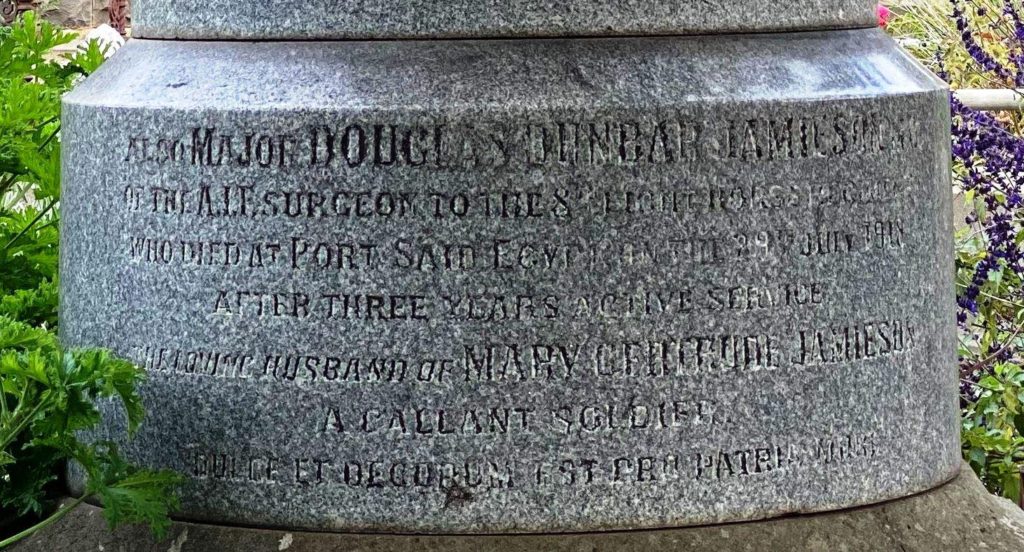
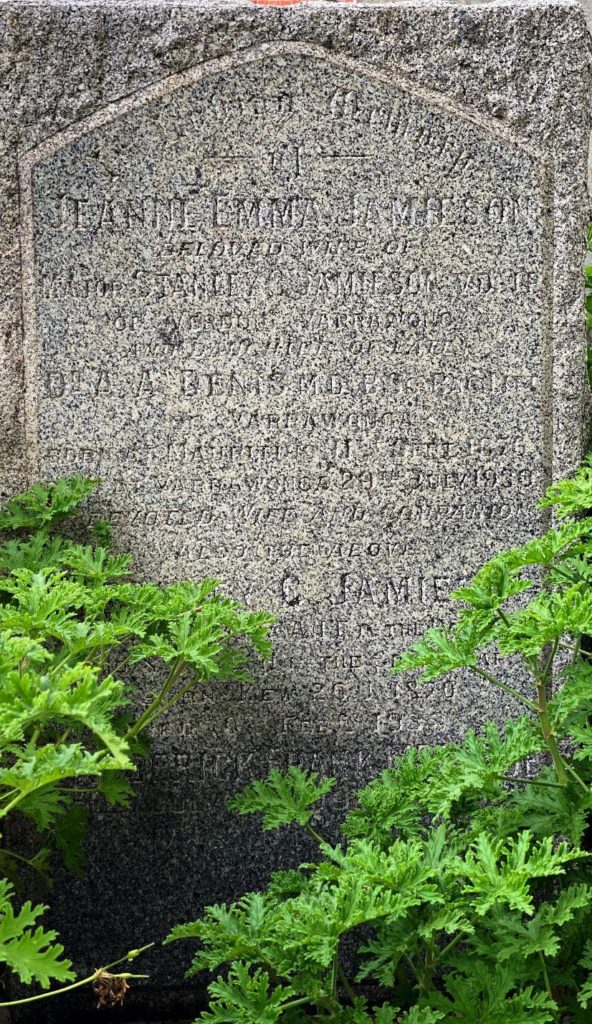
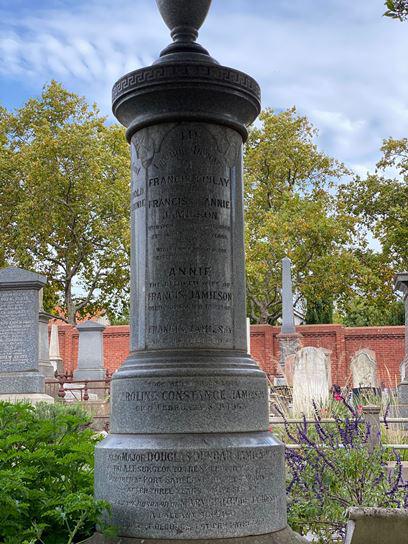
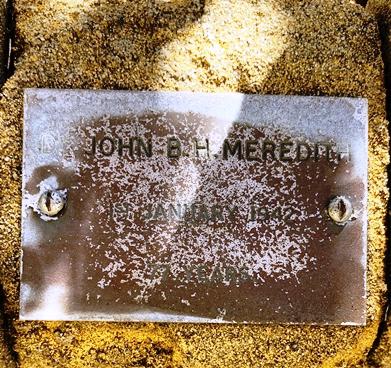
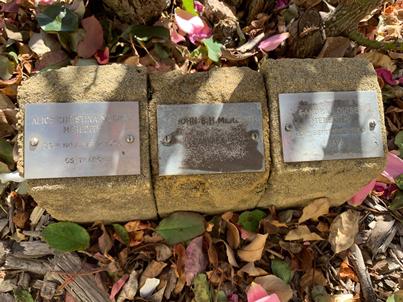
Below is his memorial, John B. H. Meredith 13 January 1942, between Alice Christina Mobray Meredith 25th November 1966 65 years and Sandra Louise Meredith 25th September 1965 4 days. Under them is his name on Boer War and WW1 memorial at Raymond Terrace.
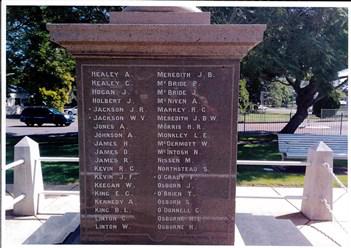
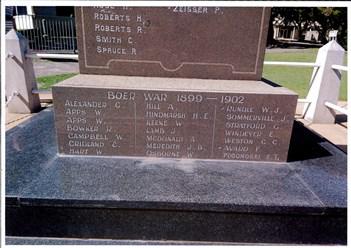
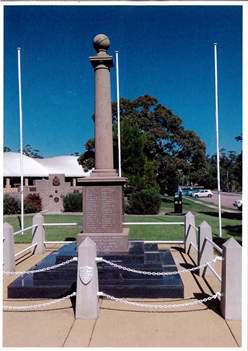
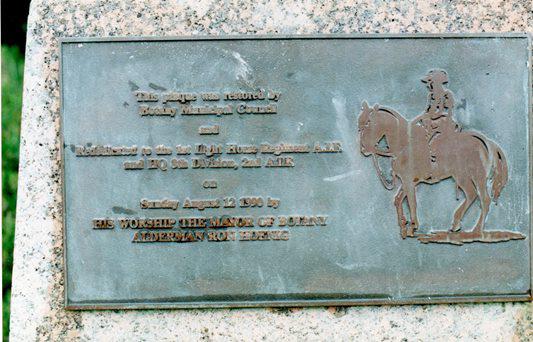
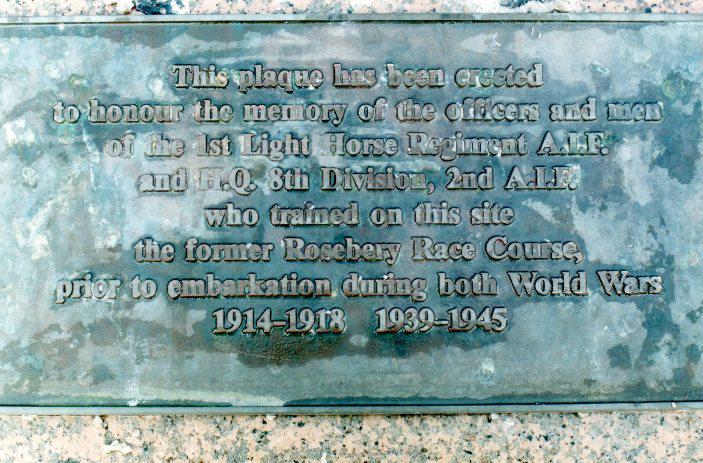
John was one of only nine Light Horse Generals in the AIF. The plaques below say “This plaque has been erected to honour the memory of the officers and men of the 1st Light Horse Regiment A.I.F. and H.Q. 8th Division, 2nd A.I.F. who trained on this site the former Rosebury Race Course, prior to embarkation during both World Wars 1914-1918 1939-1945”. “This plaque was restored by Botany Municipal Council and Rededicated to the 1st Light Horse Regiment A.I.F. and H.Q. 8th Division, 2nd A.I.F. on Sunday August 12 1990 by HIS WORSHIP THE MAYOR OF BOTANY ALDERMAN RON HOENIG”
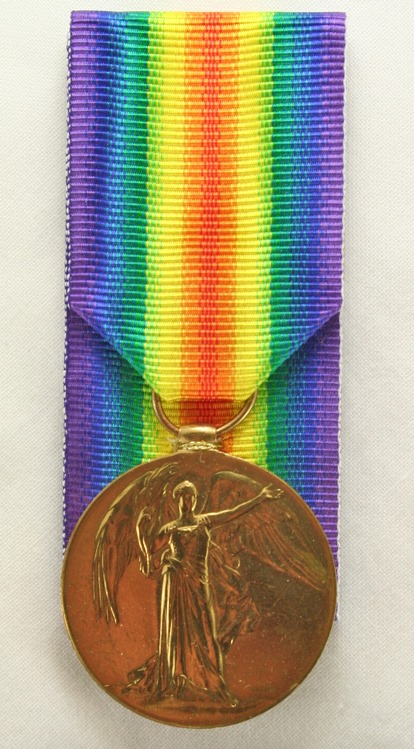
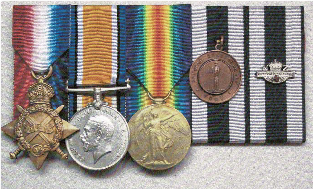
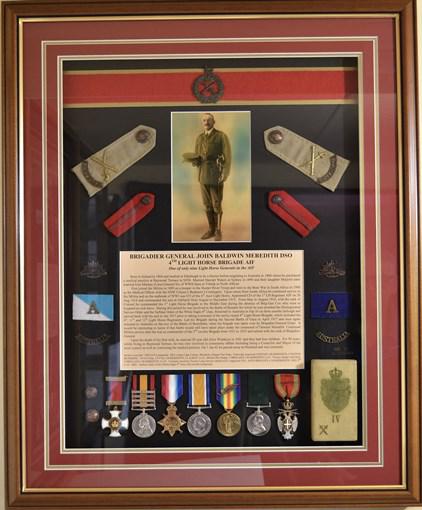
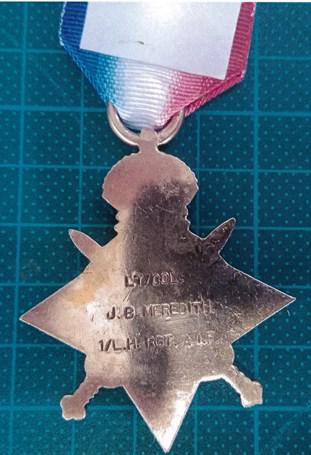
His medals are Distinguished Service Order, Queens South Africa Medal with Cape Colony, Rhodesia, Orange Free State and Transvaal clasps, 1914-15 Star, British War Medal, Victory Medal with oak leaf, Colonial Auxiliary Forces Long Service Medal and Serbian White Eagle 4th Class with Swords.
ANZAC Biographies
On our website you will find the biographical details of ANZAC (as well as British) servicemen & women
whose medals or other memorabilia form part of the collection on display at the
Maryborough Military & Colonial Museum,
Maryborough, Queensland, Australia.
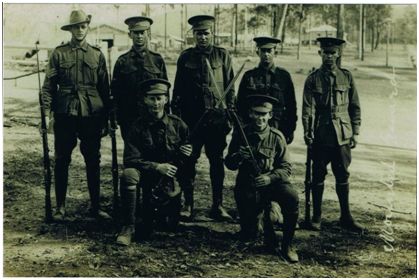
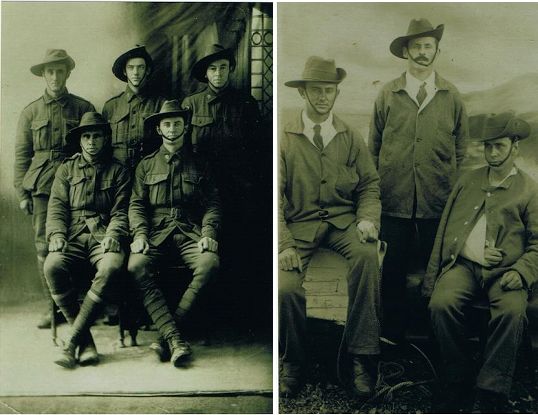

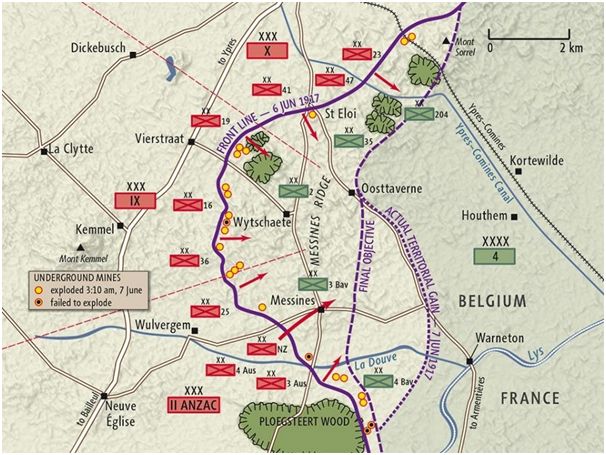
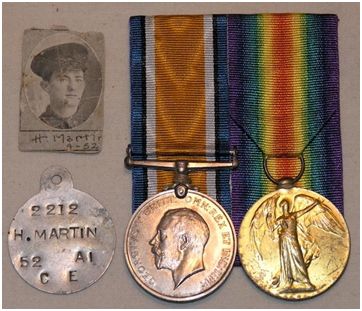
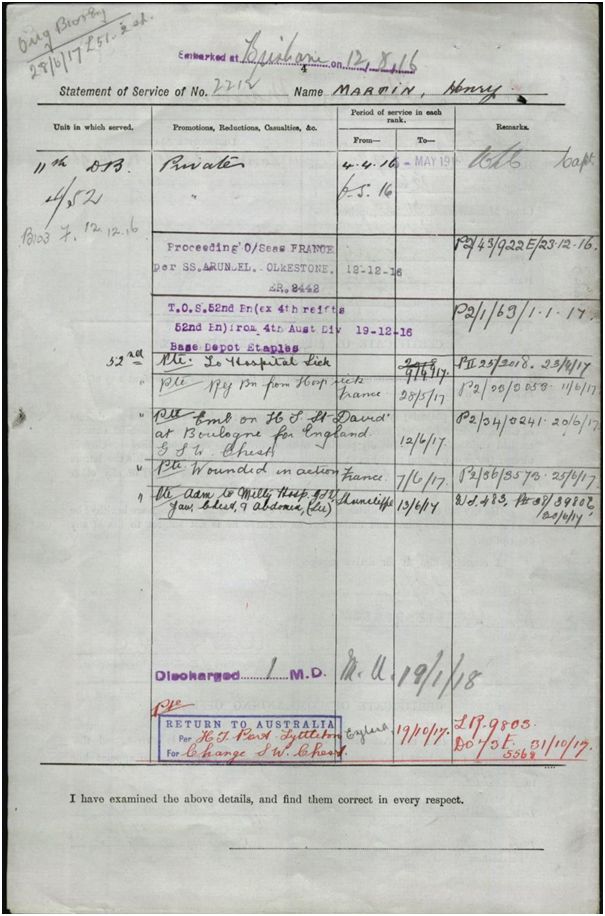
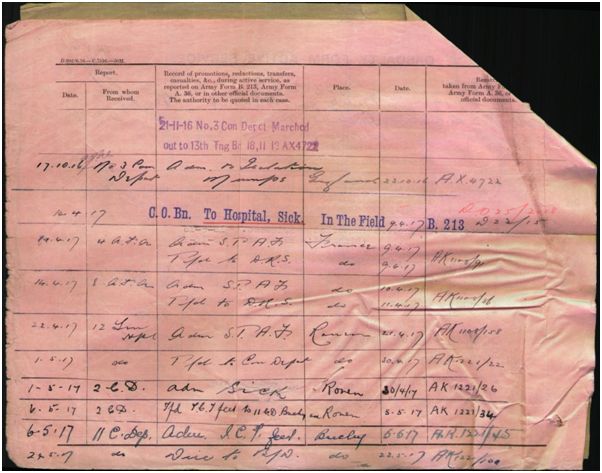
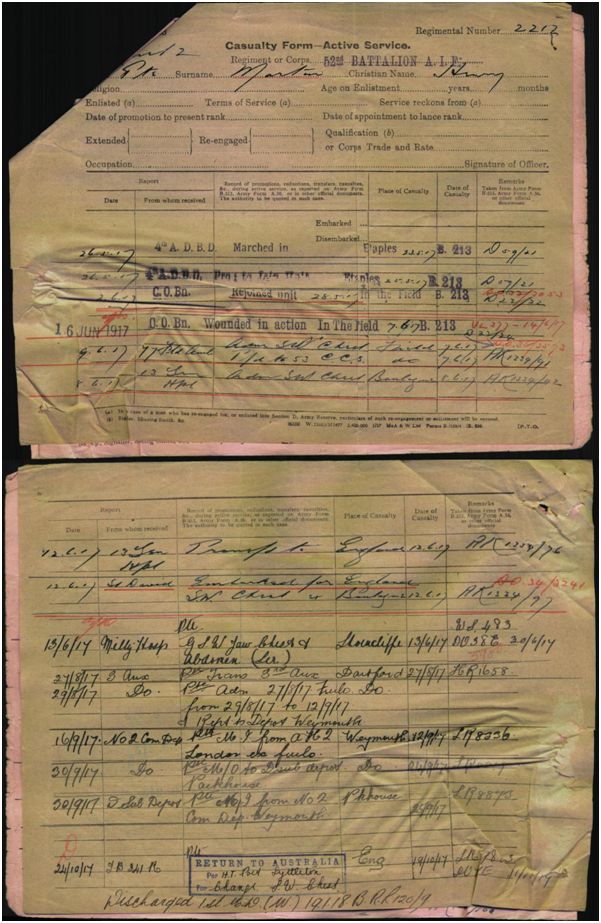
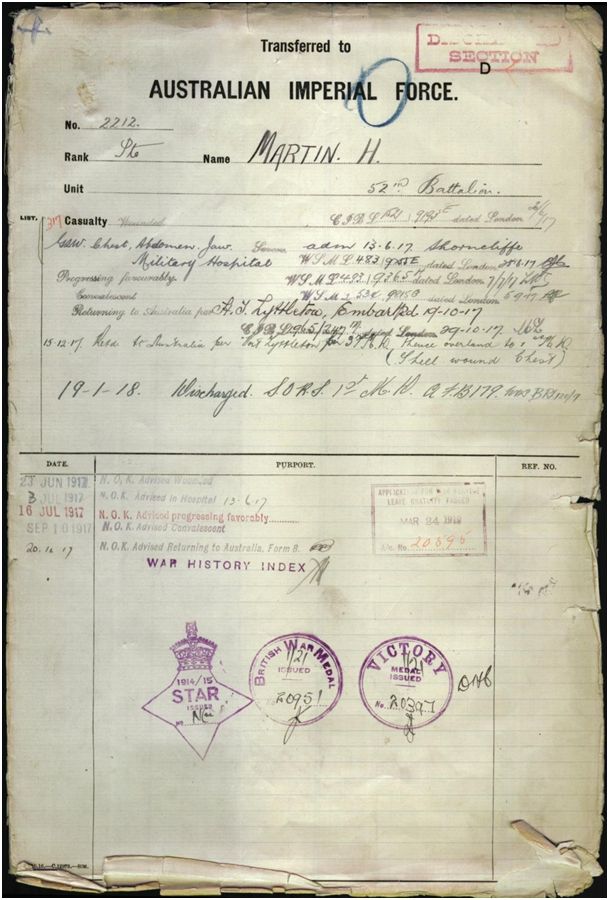
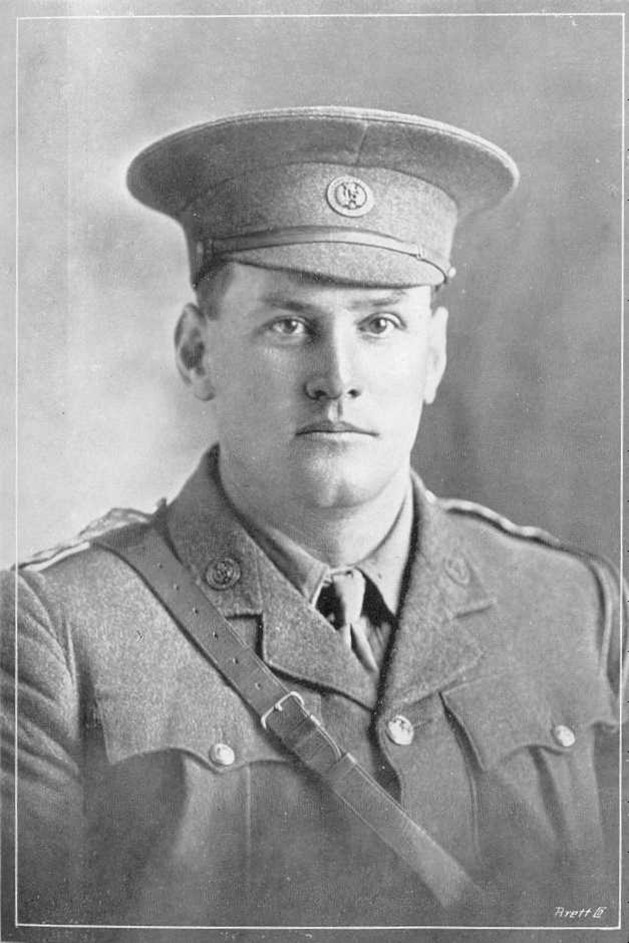
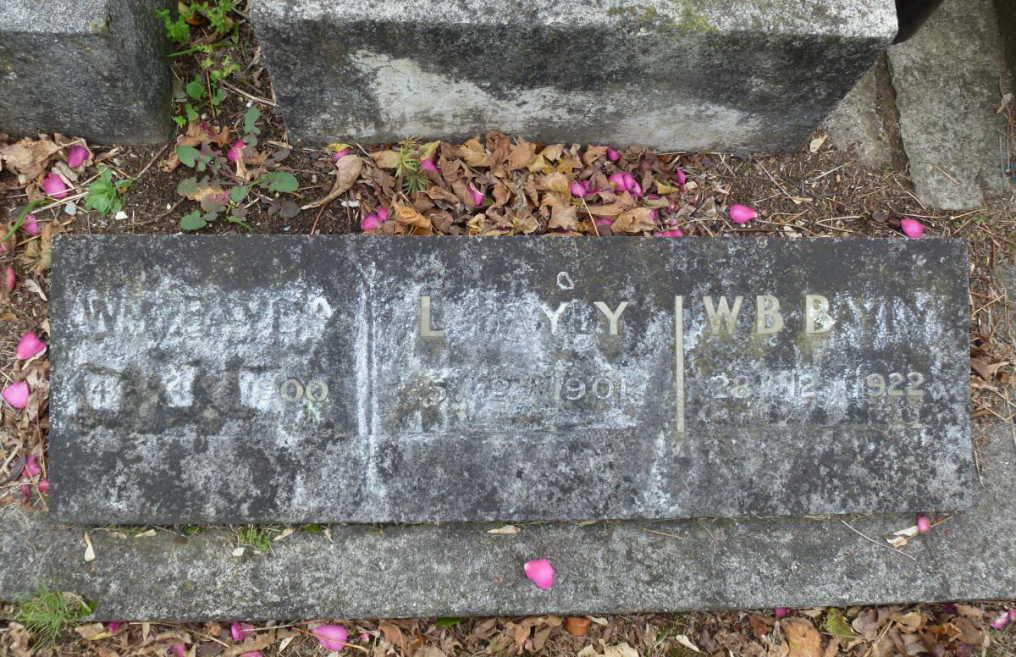
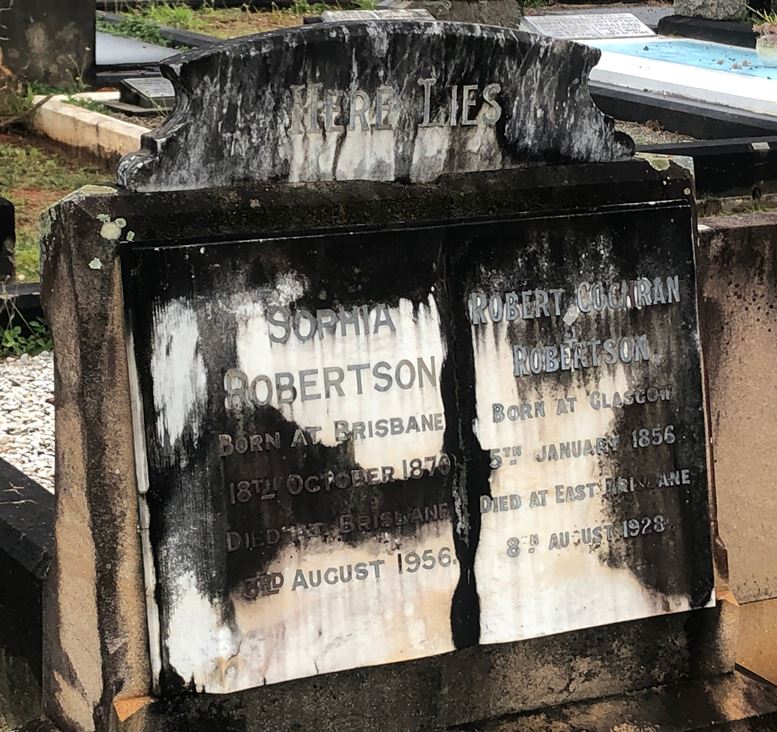
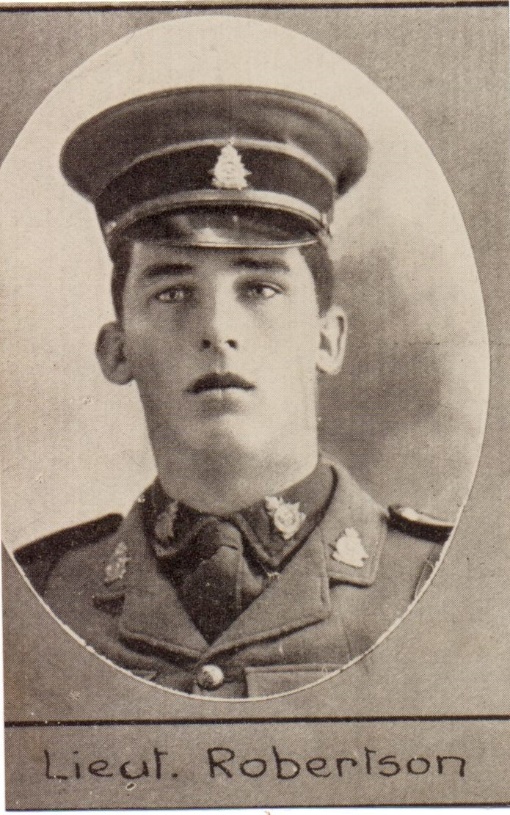 Thomas Robertson was born on 27 April 1894 at Rockhampton, Queensland. His parents, Robert Cochran Robertson and Sophia Stephens, had married on 5 May 1892 in South Brisbane. They married at her family home. She was a daughter of the Hon. T B Stephens MLC. Robert had been born on 5 January 1856 in Govan, Scotland. Sophia had been born on 18 October 1870 in Brisbane. They were living in Wellington Street, Manly in the 1903 electoral roll and Robert was an agent. In the 1919 electoral roll they were living at ‘Wyetha’, Mowbray Street (a lot of the rolls have Street instead of Terrace and Wyetha instead of Wyetah) and he was a merchant. Robert passed away on 7 August 1928 in Brisbane. He is buried in Mount Gravatt Cemetery and Crematorium in Mon-4E-9-632. A New South Wales deceased estate file shows he was a Manufacturer’s Agent from East Brisbane and he also had a probate record in Victoria. A newspaper article showed his funeral left the family home at 3pm, to arrive at the cemetery at 3.45pm. Sophia passed away on 3 August 1956 and is buried with her husband.
Their first child, Robina Cochran (Ina) Robertson was born on 7 April 1893 in Queensland. In the 1919 electoral roll, she was still living at home at ‘Wyetha’, Mowbray Terrace, doing home duties. On 16 March 1920 she married William Roy Cowley (1888-1942) with Presbyterian rites at the home of her parents in Mowbray Terrace. William Roy (‘Roy’) Cowley served as a Gunner in the 7th Field Artillery Brigade during WW1. His story is recorded here –
Thomas Robertson was born on 27 April 1894 at Rockhampton, Queensland. His parents, Robert Cochran Robertson and Sophia Stephens, had married on 5 May 1892 in South Brisbane. They married at her family home. She was a daughter of the Hon. T B Stephens MLC. Robert had been born on 5 January 1856 in Govan, Scotland. Sophia had been born on 18 October 1870 in Brisbane. They were living in Wellington Street, Manly in the 1903 electoral roll and Robert was an agent. In the 1919 electoral roll they were living at ‘Wyetha’, Mowbray Street (a lot of the rolls have Street instead of Terrace and Wyetha instead of Wyetah) and he was a merchant. Robert passed away on 7 August 1928 in Brisbane. He is buried in Mount Gravatt Cemetery and Crematorium in Mon-4E-9-632. A New South Wales deceased estate file shows he was a Manufacturer’s Agent from East Brisbane and he also had a probate record in Victoria. A newspaper article showed his funeral left the family home at 3pm, to arrive at the cemetery at 3.45pm. Sophia passed away on 3 August 1956 and is buried with her husband.
Their first child, Robina Cochran (Ina) Robertson was born on 7 April 1893 in Queensland. In the 1919 electoral roll, she was still living at home at ‘Wyetha’, Mowbray Terrace, doing home duties. On 16 March 1920 she married William Roy Cowley (1888-1942) with Presbyterian rites at the home of her parents in Mowbray Terrace. William Roy (‘Roy’) Cowley served as a Gunner in the 7th Field Artillery Brigade during WW1. His story is recorded here – 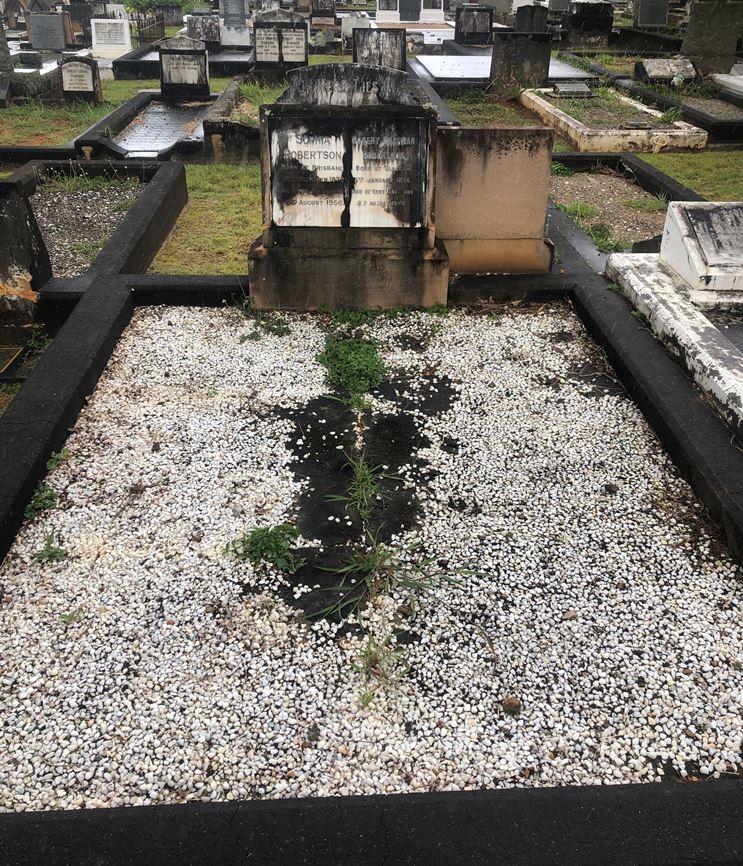
 After Thomas, John Stephens ‘Jack’ Robertson was born on 4 October 1897 in Rockhampton Queensland. As part of the 8th Queensland Reinforcements, he embarked on SS Carpentaria in Sydney on 7 November 1918. John was a Private with the service number 65119. In the nominal roll he was listed as a single 20-year-old Engineers Cadet (5 years with Queensland Government Railways) of Brisbane. His next of kin was his father, R C Robertson of Wyetah, Mowbray Terrace East Brisbane. Presbyterian was his religion and he had previous AMF service with 2nd Battalion 15th Infantry (4 years Senior Cadets Area 6 BASC and 2 years Citizens Forces 8th Infantry). John was paid 6 shillings a day of which he deferred 1 shilling, took 2 and allotted 3 shillings. He was 5 foot 10 inches tall, weighed 155 pounds, had a chest measurement of 34 to 37½ inches and had a fair complexion with blue eyes and dark hair. After trying out for the Australian Flying Corps at Laverton as a 3rd Class Air Mechanic, he failed a test and was transferred to 8th Reinforcements. The ship was recalled and he disembarked in the 2nd Military District on 28 November 1918 and was discharged in the 1st Military District on 23 December. He is recorded in the Brisbane Grammar School book under ‘Robertson, Jno. Stephens (1909). Sergt., C.C.T., 1914 – 100 yds. C., 1914 – M.O.B.A. – Ry. Eng. Cadet – Construction Staff, Innisfail – With Harding Frew, civil engineer 1922. Pte., A.I.F., April to December 1918.’ John was entitled to the British War Medal. He passed away in 1988.
Jane Robertson was born on 6 April 1900 in Queensland but unfortunately passed away on 9 April 1900.
Their last son and child was Robert Bruce Robertson, born on 14 August 1903 in Manly, Queensland. Robert married Kathleen Maude Grimes on November 1929. In WW2 he served as Q226682, enlisting in Stanthorpe on 11 April 1942 and being discharged on 17 July 1944 as a Corporal with the 8th Battalion Volunteer Defence Corps. He died on 29 May 1992 and was cremated, with a memorial plaque on Columbarium Wall 1 G41, with his wife, at Bundaberg Crematorium.
Thomas was educated at the State School and Brisbane Grammar School in Brisbane. He served 2 years in the old Junior Cadets, 1 year in the old Senior Cadets, where he was Colour Sergeant and had confirmed his appointment as a 2nd Lieutenant. His first appointment as 2nd Lieutenant was qualified at a competitive exam in March 1913.
Regimental lists of the 1st Military District on 1 January 1914 list under 8th Infantry (Oxley Battalion), whose headquarters were in South Brisbane, that 2nd Lieutenant T Robertson (1.9.13) was with D Company, whose location was ‘Paddington – Ithaca – Red Hill’.
His application for a commission in the 2nd Expeditionary Force showed he was single, a junior Salesman, of Mowbray Street (Terrace?), East Brisbane, Queensland. Thomas was a British subject, born 27 April 1894, age 20 years and 4 months. His next of Kin was listed as: father; R C Robertson, mother; Mrs R E Robertson, of Mowbray Street, East Brisbane. The address was changed to Commerce House, Adelaide Street, Brisbane on 15 May 1936. In the Medical Certificate section, he is recorded as being 5 foot 11 inches tall, weighing 163 pounds, having a chest measurement of 35½ to 38½ inches and having 6/6 eyesight in both eyes. He was recommended by the District Commander on 30 September 1914. His term of service was for the duration of the war and 4 months with his service reckoning from 26 September 1914.
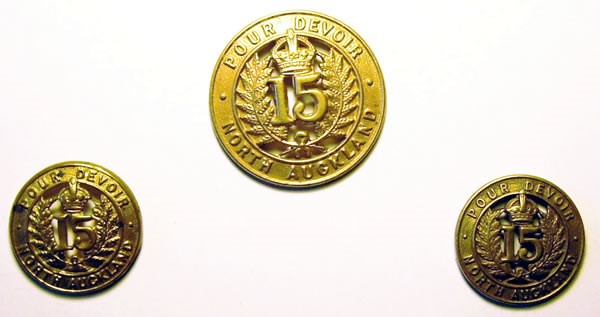
Thomas was appointed to the AIF on 23 September 1914 as a 2nd Lieutenant with the 15th Infantry Battalion, 4th Infantry Brigade in Brisbane, Queensland. The Graduation List of 6 December 1914 has his name and birth details and adds that he was a 2nd Lieutenant with the 8th Infantry Commonwealth Military Forces from 1 September 1913 and the same rank with the AIF from 23 September 1914 with 15th Battalion.
On 22 December 1914, Second Lieutenant Thomas Robertson, 15th Infantry Battalion, E Company embarked on HMAT Ceramic at Melbourne.
He was recorded on the embarkation roll as 20 years old, a salesman who was single, with his address and that of his next of kin, his mother, Mrs R C Robertson, as “Wyetuh”, (sic) Mowbray Street East Brisbane, Queensland. His religion as Presbyterian. Enlisting on 23 September 1914, his previous AMF unit he was serving in when he enlisted was 8th Infantry. Thomas was paid 15 shillings a day, he took 14 shillings 6 pence, with 3 pence as deferred pay.
After Thomas, John Stephens ‘Jack’ Robertson was born on 4 October 1897 in Rockhampton Queensland. As part of the 8th Queensland Reinforcements, he embarked on SS Carpentaria in Sydney on 7 November 1918. John was a Private with the service number 65119. In the nominal roll he was listed as a single 20-year-old Engineers Cadet (5 years with Queensland Government Railways) of Brisbane. His next of kin was his father, R C Robertson of Wyetah, Mowbray Terrace East Brisbane. Presbyterian was his religion and he had previous AMF service with 2nd Battalion 15th Infantry (4 years Senior Cadets Area 6 BASC and 2 years Citizens Forces 8th Infantry). John was paid 6 shillings a day of which he deferred 1 shilling, took 2 and allotted 3 shillings. He was 5 foot 10 inches tall, weighed 155 pounds, had a chest measurement of 34 to 37½ inches and had a fair complexion with blue eyes and dark hair. After trying out for the Australian Flying Corps at Laverton as a 3rd Class Air Mechanic, he failed a test and was transferred to 8th Reinforcements. The ship was recalled and he disembarked in the 2nd Military District on 28 November 1918 and was discharged in the 1st Military District on 23 December. He is recorded in the Brisbane Grammar School book under ‘Robertson, Jno. Stephens (1909). Sergt., C.C.T., 1914 – 100 yds. C., 1914 – M.O.B.A. – Ry. Eng. Cadet – Construction Staff, Innisfail – With Harding Frew, civil engineer 1922. Pte., A.I.F., April to December 1918.’ John was entitled to the British War Medal. He passed away in 1988.
Jane Robertson was born on 6 April 1900 in Queensland but unfortunately passed away on 9 April 1900.
Their last son and child was Robert Bruce Robertson, born on 14 August 1903 in Manly, Queensland. Robert married Kathleen Maude Grimes on November 1929. In WW2 he served as Q226682, enlisting in Stanthorpe on 11 April 1942 and being discharged on 17 July 1944 as a Corporal with the 8th Battalion Volunteer Defence Corps. He died on 29 May 1992 and was cremated, with a memorial plaque on Columbarium Wall 1 G41, with his wife, at Bundaberg Crematorium.
Thomas was educated at the State School and Brisbane Grammar School in Brisbane. He served 2 years in the old Junior Cadets, 1 year in the old Senior Cadets, where he was Colour Sergeant and had confirmed his appointment as a 2nd Lieutenant. His first appointment as 2nd Lieutenant was qualified at a competitive exam in March 1913.
Regimental lists of the 1st Military District on 1 January 1914 list under 8th Infantry (Oxley Battalion), whose headquarters were in South Brisbane, that 2nd Lieutenant T Robertson (1.9.13) was with D Company, whose location was ‘Paddington – Ithaca – Red Hill’.
His application for a commission in the 2nd Expeditionary Force showed he was single, a junior Salesman, of Mowbray Street (Terrace?), East Brisbane, Queensland. Thomas was a British subject, born 27 April 1894, age 20 years and 4 months. His next of Kin was listed as: father; R C Robertson, mother; Mrs R E Robertson, of Mowbray Street, East Brisbane. The address was changed to Commerce House, Adelaide Street, Brisbane on 15 May 1936. In the Medical Certificate section, he is recorded as being 5 foot 11 inches tall, weighing 163 pounds, having a chest measurement of 35½ to 38½ inches and having 6/6 eyesight in both eyes. He was recommended by the District Commander on 30 September 1914. His term of service was for the duration of the war and 4 months with his service reckoning from 26 September 1914.
Thomas was appointed to the AIF on 23 September 1914 as a 2nd Lieutenant with the 15th Infantry Battalion, 4th Infantry Brigade in Brisbane, Queensland. The Graduation List of 6 December 1914 has his name and birth details and adds that he was a 2nd Lieutenant with the 8th Infantry Commonwealth Military Forces from 1 September 1913 and the same rank with the AIF from 23 September 1914 with 15th Battalion.
On 22 December 1914, Second Lieutenant Thomas Robertson, 15th Infantry Battalion, E Company embarked on HMAT Ceramic at Melbourne.
He was recorded on the embarkation roll as 20 years old, a salesman who was single, with his address and that of his next of kin, his mother, Mrs R C Robertson, as “Wyetuh”, (sic) Mowbray Street East Brisbane, Queensland. His religion as Presbyterian. Enlisting on 23 September 1914, his previous AMF unit he was serving in when he enlisted was 8th Infantry. Thomas was paid 15 shillings a day, he took 14 shillings 6 pence, with 3 pence as deferred pay.
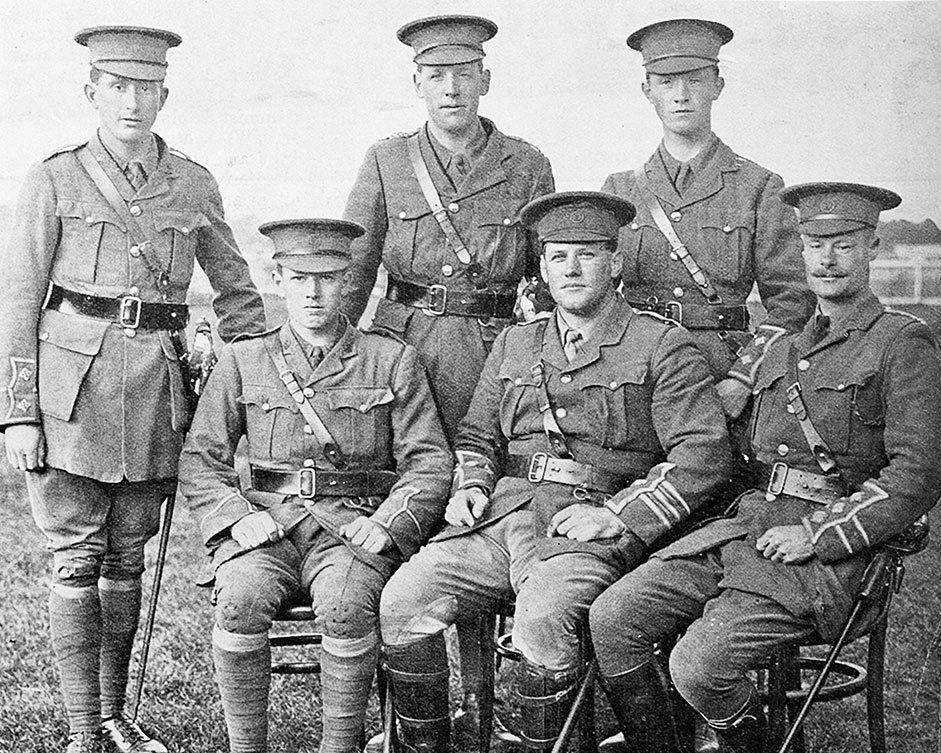
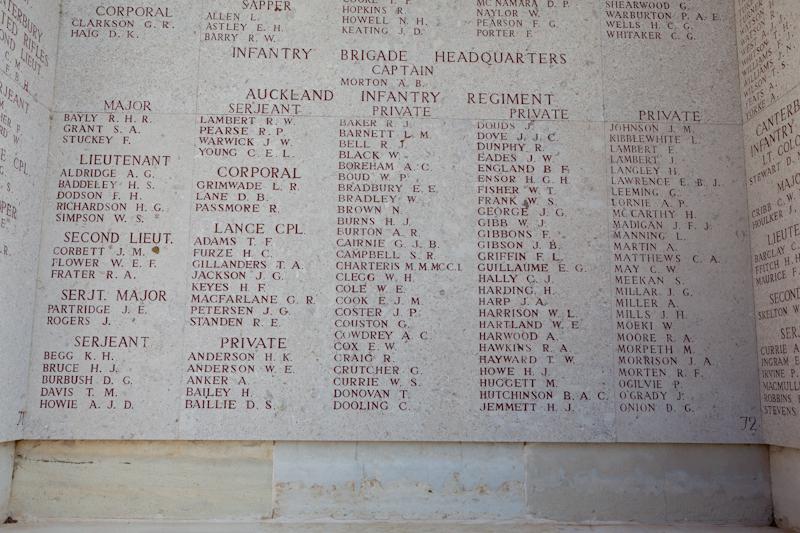
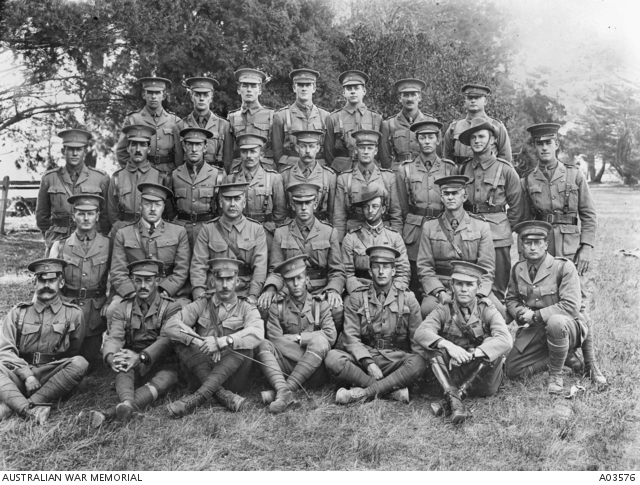 ‘Group portrait of officers of the 15th Battalion prior to embarkation overseas. Captain (later Major) Quinn [of Quinn’s Post, Gallipoli], is second from right, third row. Identified in back row, left to right: Second Lieutenant (2nd Lt) Francis Leofric Armstrong (killed in action 10 May 1915); 2nd Lt John Anderson Good; 2nd Lt John Hill; 2nd Lt Thomas Robertson (killed in action 27 April 1915); 2nd Lt Leo George Casey; 2nd Lt Leslie Norman Collin (killed in action 9 May 1915); 2nd Lt Archibald Douglas. Third row: Captain (Capt) Douglas Herman Cannon; Capt Cyril Frederick Corser; Lieutenant (Lt) Henry Charles. Davies; Lt Nikolai Theodore Svensen; Capt John Foulkes Richardson; 2nd Lt Douglas Stephen Freeman; Capt John Francis Walsh (killed in action 28 April 1915); Capt Hugh Quinn (killed in action 29 May 1915); 2nd Lt George Frederick Dickinson. Second row: 2nd Lt Norman Dickson (died of wounds 27 April 1915); Major (Maj) Robert Eccles Snowden; Maj Hubert Reginald Carter; Lieutenant Colonel James Harold Cannon; Capt William Organ Willis (killed in action 3 May 1915); Honorary Lt Frederick William Craig. Front row: 2nd Lt Cecil Edwin Snartt; 2nd Lt Samuel William Harry; Lt Harry Kessell; Lt Francis Moran (died of wounds 20 August 1915); Lt Leslie John Walters; 2nd Lt Nicholas O’Brien; 2nd Lt Arthur Gurr Hinman.’ From AWM A03576, taken at Broadmeadows, Victoria in December 1914.
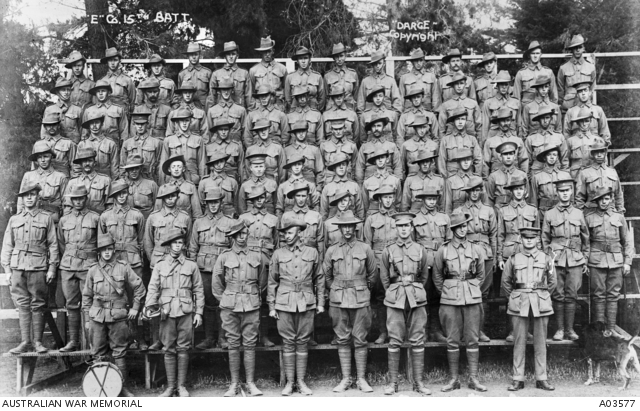
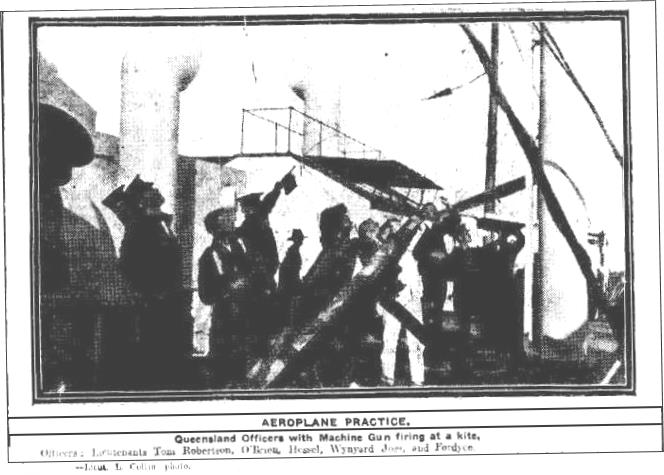 While in Egypt the battalion was re-organised, changing to four rifle companies, each of four platoons, with 10 Platoon under 2nd Lieutenant Thomas Robertson. On 1 February 1915 he was to be a Lieutenant. He proceeded to join the Mediterranean Expeditionary Force to the Gallipoli Peninsula on 12 April 1915. Thomas was reported as being wounded in action and missing at Gallipoli on 28 April 1915.
On 4 May 1915 Sophia Robertson of Woolloongabba sent a telegram to the Officer Commanding Base Records asking ‘Wire me address Lieut Tom Robertson 15th battalion wounded reply paid’. It was in reply to a cable she had received from Base Records on the same day which said ‘regret reported Lieutenant Q. Robertson wounded will cable free receipt your request’. They made an error with his name. She sent another telegram on 5 May asking ‘Inquire for lieut Thomas Robertson 15th Battalion fourth infantry brigade reported wounded’, and added Mowbray Street to her address. Another telegram from her on 6 May asked ‘Did you send cable yesterday Lieut Robertson have you got reply yet’. On 15 May Base Records sent a cable that Egypt reports all wounded progressing satisfactorily will advise on receipt further particulars. Another cable said that they can only suggest to cable care of Stralis Cairo. Egypt reports all wounded progressing satisfactorily.
The Daily Standard of Brisbane on Friday 7 May 1915 in page 3 had an article titled ‘Rowing’ which includes in the article ‘Another well-known oarsman in the list of casualties was genial Tom Robertson, of the C.R.C., but Tom was more fortunate that the University rower, he being reported as wounded. He will be remembered as one of Dick Billington’s under twenty crew, which performed so well a couple of years ago when that crew won almost all the races started in.’
A Court of Enquiry held on 23 May 1915 at Monash Valley, Gallipoli ‘was of opinion that as there was a possibility of his having been taken prisoner on 27/4/15 (either wounded or unwounded) he should continue to be shown as Missing.’ One of the witnesses that day was No 707 Sergeant William Harold Nicholls, 15th Battalion, who stated ‘About 6 p.m. on 26.4.15, I was with part of No. 10 Platoon, 15th Battalion. We were sent to a position approximately E.S.E. of JOHNSTONE’S JOLLY (Map Anzac Position, 6” – 1 inch) by a Major Irwin, who took command and led us out. I do not know what Battalion he belonged to, the troops in the firing line were all mixed. The position was approximately 250 yards in advance of the firing line on ridge. We dug in under fire and remained there through the night. At daylight on 27.4.15 we could see a number of troops on the ridge facing us. We had been told when we went out to this position that the Indian Troops would be on our right. I do not know who was responsible for this information. Lieut. Robinson (sic) said to me that he thought the men in front of us were Ghurkas. He had a look at them. He ordered the Company Signaller to signal them. They answered and Lieut. Robinson told them to come on. They exhibited a white flag and came towards us, about a dozen of them. On getting within about ten yards, their officers said in English “Come on, you are prisoners” Lieut. Robinson gave the order to open fire on them. Later he gave the order to retire. The party under Lieut. Robinson numbered 26 or 27. Six got back to the firing line unwounded. I did not see Lieut. Robinson after he gave the order to retire. As far as my knowledge goes he was not wounded. The Signaller above was not seen again.’ A note under that statement says ‘Enquiries made by the Court lead them to the opinion that no evidence showing whether Lieut. Robinson was taken prisoner, wounded or killed, is available.’ Colonel Monash, who was commanding the 4th Infantry Brigade forwarded a list to Headquarters from Monash Valley, Gallipoli on 25 May 1915 in which he concurs on the opinion of the Court that Lieutenant T Robertson 15th Battalion was missing.
On 21 September 1915 the ‘Report was confirmed by letter in reply to our enquiry of’ 31 August 1915, as sent to the Commanding Officer of the Battalion.
His Father wrote to The Secretary, Defence Department, Commonwealth Office, Melbourne on 30 September 1915. They received it on 5 October and passed it on to Base Records who received it on 6 October. He had written ‘In the issue of the “Sunday Times” September 12th, there appeared a photograph of “two unidentified Australian prisoners of war in Constantinople”. As the figure on the right had a resemblance to my son, Lieut. T. Robertson, of E. Coy. 15th Battalion, 4th Infantry Brigade, who was reported by the Defence Department on the 27th May last as missing, I wrote to the Manager of the above Newspaper, asking him if he could lend me the original photo, as the one is his paper was rather indistinct. He replied enclosing a print copy of the original which enable me and my family to feel all but confident that the figure on the right is that of my son. Not being content with this, I showed the photo to a number of his companions, asking them if they saw any resemblance to any one they knew, they all pointed to the same figure saying it was my son. Now in a further communication from Mr. Topliss, manager of the “Sunday Times”, this gentleman informs me that the picture was forwarded to them by you, and I now address you in the hope that you will be able to furnish me with some further particulars as to how this photograph came into your possession, or if you can advise me what steps I can take to prove whether I am correct in my assumption, that he is my son. As a matter of further information for you regarding the disappearance of my son, I enclose copy of particulars supplied by his Sergeant Major, and sent to me by Colonel Cannan.’ He signed it R C Robertson and added ‘In replying please address, R. C. Robertson, Fitzroy Buildings, Adelaide Street, BRISBANE.’ The letter also had their private address embossed on it as Wyetah, Mowbray Terrace, East Brisbane. A letter to him on 14 October from Base Records stated ‘With reference to yours of the 30th ult., concerning a photograph of two Australian prisoners of war in Constantinople, which appeared in the “Sunday Times”, I have to inform you that the two soldiers have been identified, consequently, neither of them is identical with your son.’ They went on to discuss how reports of missing are immediately reported to next of kin and reviewed daily by authorities.
Mr R C Robertson, Fitzroy Buildings, Adelaide Street, Brisbane wrote to T Trumble Esq., Secretary Defence Department, Melbourne on 13 December 1915 asking “Concerning Lieut. T. Robertson, E. Coy. 15th Battalion 4th Infantry Brigade, A.I.F. reported wounded 5th May and missing 27th May. Referring to the verbal conversation I had with you when in Melbourne about a fortnight ago re my son. I enclose one or two statements which have been given me at different times lately, by some of the returned wounded. A perusal of these by you will give you all the information I have regarding the missing boy, and if there is anything you can do to clear up the doubt as to whether he is alive and a prisoner or not, I will be very grateful. I might say that Colonel Cannan commanding the 15th Battalion, in a personal letter to me, stated that they had had a strict search made for his body at the time of the armistice, but could not find it. This seems to confirm Pvt. Brayley’s statement. It was the Colonel also who from Gallipoli sent me Nicholls account of the outpost affair. At the suggestion of the Defence Department, Melbourne I sent a cable on 5th June to “Stralis” Cairo, on the 5th June, asking if they could give me any information regarding my son, and paid for a reply. This is over 5 months ago and no reply to hand I put in a claim for a refund, and in the latest communication from the Deputy Post Master General here, dated 7th inst., he says, “That before a claim can be allowed the addressee must prove to the Administration in Cairo, that he has not made use of the reply Voucher.” Please do not bother over this latter matter if it will cause you any trouble, the only thing is, I think the Post Office people are quibbling rather unnecessarily over the matter. Thanking you for your kindness in allowing me to address you personally re the foregoing’.
While in Egypt the battalion was re-organised, changing to four rifle companies, each of four platoons, with 10 Platoon under 2nd Lieutenant Thomas Robertson. On 1 February 1915 he was to be a Lieutenant. He proceeded to join the Mediterranean Expeditionary Force to the Gallipoli Peninsula on 12 April 1915. Thomas was reported as being wounded in action and missing at Gallipoli on 28 April 1915.
On 4 May 1915 Sophia Robertson of Woolloongabba sent a telegram to the Officer Commanding Base Records asking ‘Wire me address Lieut Tom Robertson 15th battalion wounded reply paid’. It was in reply to a cable she had received from Base Records on the same day which said ‘regret reported Lieutenant Q. Robertson wounded will cable free receipt your request’. They made an error with his name. She sent another telegram on 5 May asking ‘Inquire for lieut Thomas Robertson 15th Battalion fourth infantry brigade reported wounded’, and added Mowbray Street to her address. Another telegram from her on 6 May asked ‘Did you send cable yesterday Lieut Robertson have you got reply yet’. On 15 May Base Records sent a cable that Egypt reports all wounded progressing satisfactorily will advise on receipt further particulars. Another cable said that they can only suggest to cable care of Stralis Cairo. Egypt reports all wounded progressing satisfactorily.
The Daily Standard of Brisbane on Friday 7 May 1915 in page 3 had an article titled ‘Rowing’ which includes in the article ‘Another well-known oarsman in the list of casualties was genial Tom Robertson, of the C.R.C., but Tom was more fortunate that the University rower, he being reported as wounded. He will be remembered as one of Dick Billington’s under twenty crew, which performed so well a couple of years ago when that crew won almost all the races started in.’
A Court of Enquiry held on 23 May 1915 at Monash Valley, Gallipoli ‘was of opinion that as there was a possibility of his having been taken prisoner on 27/4/15 (either wounded or unwounded) he should continue to be shown as Missing.’ One of the witnesses that day was No 707 Sergeant William Harold Nicholls, 15th Battalion, who stated ‘About 6 p.m. on 26.4.15, I was with part of No. 10 Platoon, 15th Battalion. We were sent to a position approximately E.S.E. of JOHNSTONE’S JOLLY (Map Anzac Position, 6” – 1 inch) by a Major Irwin, who took command and led us out. I do not know what Battalion he belonged to, the troops in the firing line were all mixed. The position was approximately 250 yards in advance of the firing line on ridge. We dug in under fire and remained there through the night. At daylight on 27.4.15 we could see a number of troops on the ridge facing us. We had been told when we went out to this position that the Indian Troops would be on our right. I do not know who was responsible for this information. Lieut. Robinson (sic) said to me that he thought the men in front of us were Ghurkas. He had a look at them. He ordered the Company Signaller to signal them. They answered and Lieut. Robinson told them to come on. They exhibited a white flag and came towards us, about a dozen of them. On getting within about ten yards, their officers said in English “Come on, you are prisoners” Lieut. Robinson gave the order to open fire on them. Later he gave the order to retire. The party under Lieut. Robinson numbered 26 or 27. Six got back to the firing line unwounded. I did not see Lieut. Robinson after he gave the order to retire. As far as my knowledge goes he was not wounded. The Signaller above was not seen again.’ A note under that statement says ‘Enquiries made by the Court lead them to the opinion that no evidence showing whether Lieut. Robinson was taken prisoner, wounded or killed, is available.’ Colonel Monash, who was commanding the 4th Infantry Brigade forwarded a list to Headquarters from Monash Valley, Gallipoli on 25 May 1915 in which he concurs on the opinion of the Court that Lieutenant T Robertson 15th Battalion was missing.
On 21 September 1915 the ‘Report was confirmed by letter in reply to our enquiry of’ 31 August 1915, as sent to the Commanding Officer of the Battalion.
His Father wrote to The Secretary, Defence Department, Commonwealth Office, Melbourne on 30 September 1915. They received it on 5 October and passed it on to Base Records who received it on 6 October. He had written ‘In the issue of the “Sunday Times” September 12th, there appeared a photograph of “two unidentified Australian prisoners of war in Constantinople”. As the figure on the right had a resemblance to my son, Lieut. T. Robertson, of E. Coy. 15th Battalion, 4th Infantry Brigade, who was reported by the Defence Department on the 27th May last as missing, I wrote to the Manager of the above Newspaper, asking him if he could lend me the original photo, as the one is his paper was rather indistinct. He replied enclosing a print copy of the original which enable me and my family to feel all but confident that the figure on the right is that of my son. Not being content with this, I showed the photo to a number of his companions, asking them if they saw any resemblance to any one they knew, they all pointed to the same figure saying it was my son. Now in a further communication from Mr. Topliss, manager of the “Sunday Times”, this gentleman informs me that the picture was forwarded to them by you, and I now address you in the hope that you will be able to furnish me with some further particulars as to how this photograph came into your possession, or if you can advise me what steps I can take to prove whether I am correct in my assumption, that he is my son. As a matter of further information for you regarding the disappearance of my son, I enclose copy of particulars supplied by his Sergeant Major, and sent to me by Colonel Cannan.’ He signed it R C Robertson and added ‘In replying please address, R. C. Robertson, Fitzroy Buildings, Adelaide Street, BRISBANE.’ The letter also had their private address embossed on it as Wyetah, Mowbray Terrace, East Brisbane. A letter to him on 14 October from Base Records stated ‘With reference to yours of the 30th ult., concerning a photograph of two Australian prisoners of war in Constantinople, which appeared in the “Sunday Times”, I have to inform you that the two soldiers have been identified, consequently, neither of them is identical with your son.’ They went on to discuss how reports of missing are immediately reported to next of kin and reviewed daily by authorities.
Mr R C Robertson, Fitzroy Buildings, Adelaide Street, Brisbane wrote to T Trumble Esq., Secretary Defence Department, Melbourne on 13 December 1915 asking “Concerning Lieut. T. Robertson, E. Coy. 15th Battalion 4th Infantry Brigade, A.I.F. reported wounded 5th May and missing 27th May. Referring to the verbal conversation I had with you when in Melbourne about a fortnight ago re my son. I enclose one or two statements which have been given me at different times lately, by some of the returned wounded. A perusal of these by you will give you all the information I have regarding the missing boy, and if there is anything you can do to clear up the doubt as to whether he is alive and a prisoner or not, I will be very grateful. I might say that Colonel Cannan commanding the 15th Battalion, in a personal letter to me, stated that they had had a strict search made for his body at the time of the armistice, but could not find it. This seems to confirm Pvt. Brayley’s statement. It was the Colonel also who from Gallipoli sent me Nicholls account of the outpost affair. At the suggestion of the Defence Department, Melbourne I sent a cable on 5th June to “Stralis” Cairo, on the 5th June, asking if they could give me any information regarding my son, and paid for a reply. This is over 5 months ago and no reply to hand I put in a claim for a refund, and in the latest communication from the Deputy Post Master General here, dated 7th inst., he says, “That before a claim can be allowed the addressee must prove to the Administration in Cairo, that he has not made use of the reply Voucher.” Please do not bother over this latter matter if it will cause you any trouble, the only thing is, I think the Post Office people are quibbling rather unnecessarily over the matter. Thanking you for your kindness in allowing me to address you personally re the foregoing’.
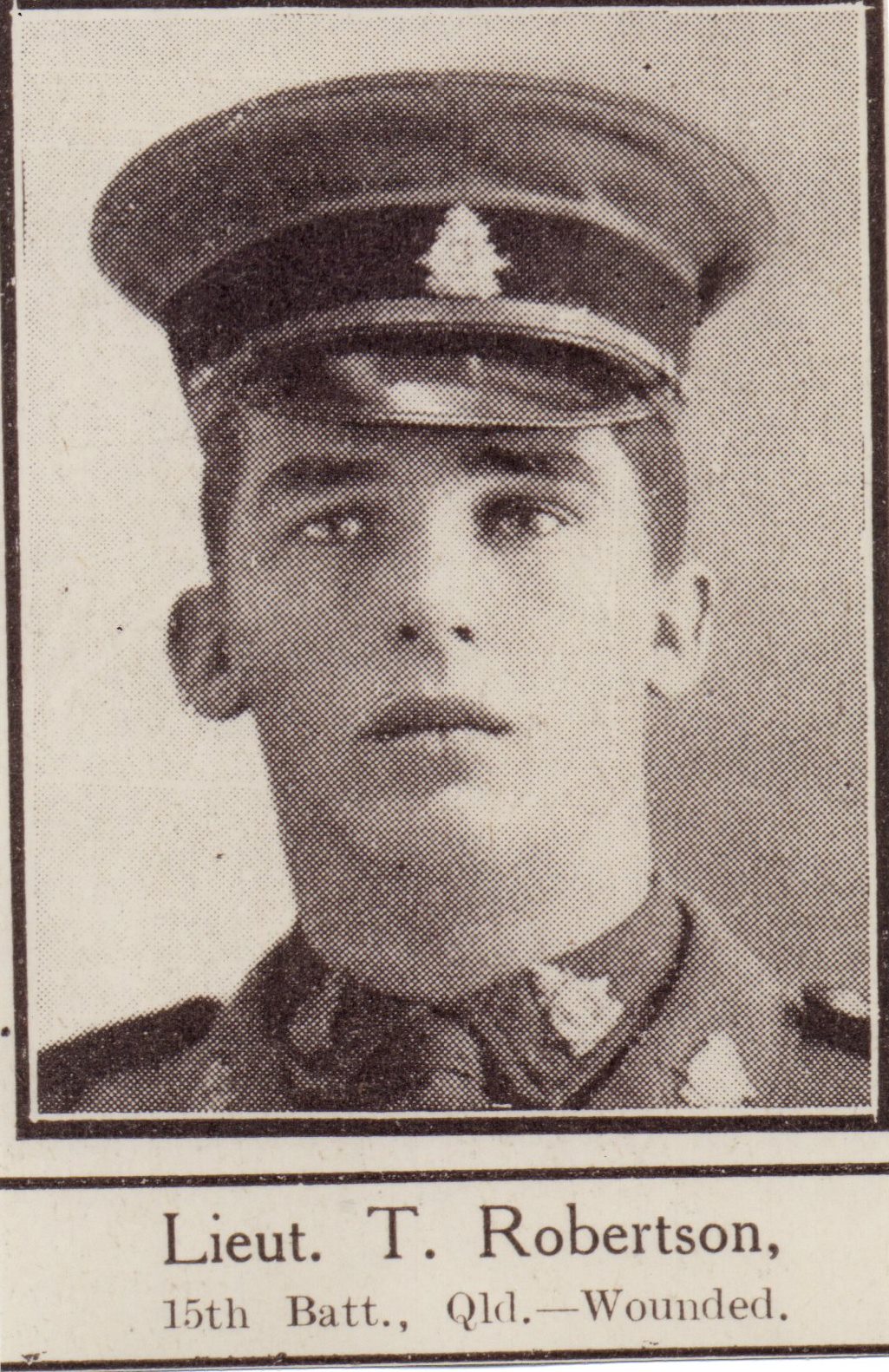
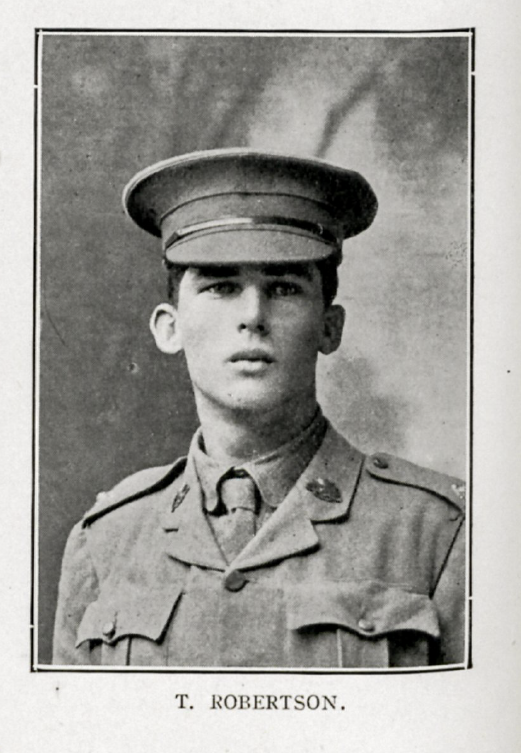

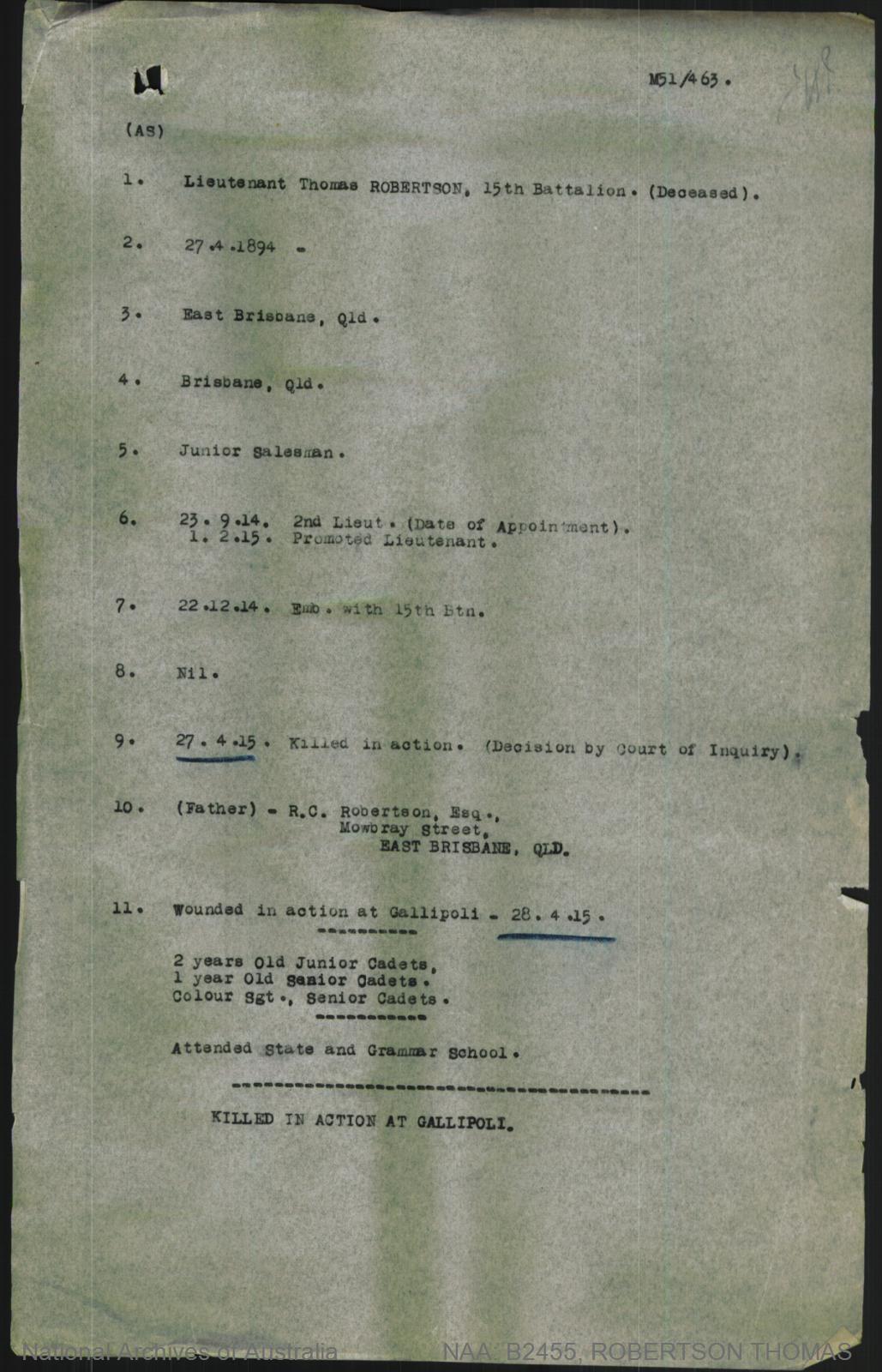 Messrs Stephens and Tozer, Solicitors at Union Trust Buildings, corner of George and Queen Streets, Brisbane requested from Base Records two copies of his death certificate for insurance purposes on 24 November 1916. A reply to the solicitors from Base Records on 1 December 1916 included a letter acknowledging their request and enclosing in duplicate the certificate of the report of his death, which read ‘Lieutenant Thomas Robertson 15th Battalion, Australian Imperial Force’ … ‘was killed in action’ ‘Gallipoli’ ‘27th April 1916.’ ‘Cable No. M.F.C. 41604, from the Officer Commanding Intermediate Base, dated Alexandria, 5th May 1916, confirmed by Army Form B 104-52, and Army Form B2090A.’
On 13 December 1916 National Mutual Life wrote to Base Records asking if they could have details of Thomas Robertson for the purpose of identification. They wanted to know his place of birth, age, height and next of kin.
Base Records wrote a list about Lieutenant T Robertson 15th Battalion on 19 December 1916. It stated he was 20 years and 4 months, commissioned on 16 September 1914, his next of kin was his mother, Mrs R C Robertson of Mowbray Street East Brisbane Qld, he was 5 foot 11 inches tall; but they put ‘No record’ for place of birth, complexion, colour of eyes, colour of hair and distinctive marks. They also sent a letter to the insurance company with the list.
A letter from CQMS W H Nicolls in the Memorial Book for the school reads: ‘On April 26th Lieutenant Robertson with half his platoon was sent on outpost duty. At daybreak April 27 the lookout reported a party of men advancing waving the white flag. The party on being signalled to replied that they were Gurkhas, but on nearer approach they were seen to be enemies. Their officer recognising the fact calling out in English, ‘Surrender you are our prisoners.’ Lieutenant Robertson said, ‘Prisoners be damned! Let them have it boys.’ We accounted for a good few but as they were seen to be coming on in hundreds Lieutenant Robertson gave the order to get back to the firing line. Only four of the little company got back. Lieutenant Robertson was last seen standing facing the enemy with his revolver.’
He was killed on his 21st birthday, while retiring from a forward post to the main Australian lines: ‘At dusk, however, a party had been sent out on to the Jolly by the portion of the 15th Battalion near the Razorback. This party, 25 men under Lieutenant Robertson, took position on the south-eastern edge of the Jolly, dug a circular, shallow trench, and remained there all night. It was still there when the Turks attacked at 7.30 a.m. next day. The Queenslanders watched them coming in numbers up Legge Valley, from which, covered by intense machine-gun fire, the enemy attacked. On reaching a point immediately below the trench, the Turks called upon Robertson’s party to surrender, but he refused. He had instructed his men that, when the machine-guns stopped, they should pour three rounds of rapid fire into the enemy and then withdraw to the Australian line. By this means certainly seven, one or two more, of Robertson’s party got back; he and the majority, however, were killed. Their resistance explains the enemy’s claim, not previously understood, that on April 27th he ‘captured’ Johnston’s Jolly.’ (Bean preface to 3rd edition xviii and vix). A footnote adds ‘Lieut. T. Robertson, 15th Bn. Salesman; of East Brisbane; b. Rockhampton, Q’land, 27 April, 1894. Killed in action, 27 April, 1915. (The information, which has been confirmed, comes from Pte. H. L. L. Smith, of Toowoomba and Imbil, Q’land, a survivor of the party which held the post.)
A letter in the Brisbane Courier of 15 July 1915 on page 8 from Private Robert E Stephens 15 Battalion who was in the 1st Field Hospital at Lemnos to his cousin in Sandgate reads ‘‘Stormie’ is flourishing, he is Platoon Sergeant now. Tom Robertson was his Platoon Commander, and ‘Stormie’ tells me that he (Robby) went out with a party of 26 on outpost duty the second or third night after landing, and they got cut off, only about six returning, and nothing has been heard of the others. We lost nearly all our officers.’
In the Army Journal “Quinn of Quinn’s Post” it records: ‘That night a strange event occurred. Lieutenant Robertson, an original E Company officer, and 25 men of his 10 Platoon were led forward by a guide and told to dig in. One account says that the guide was a German and that he lured Robertson into a trap. Later Quinn wrote that the orders came from the brigade major of 1 Brigade who was to be killed the next day. When dawn of 27 April came, Robertson and his men were dug-in to a depth of four feet but they had Turks on three sides. The Turks called upon them to surrender. Robertson refused to do so and when they tried to escape only about seven got back. Robertson (it was his twenty-first birthday) and the others were killed.’
Messrs Stephens and Tozer, Solicitors at Union Trust Buildings, corner of George and Queen Streets, Brisbane requested from Base Records two copies of his death certificate for insurance purposes on 24 November 1916. A reply to the solicitors from Base Records on 1 December 1916 included a letter acknowledging their request and enclosing in duplicate the certificate of the report of his death, which read ‘Lieutenant Thomas Robertson 15th Battalion, Australian Imperial Force’ … ‘was killed in action’ ‘Gallipoli’ ‘27th April 1916.’ ‘Cable No. M.F.C. 41604, from the Officer Commanding Intermediate Base, dated Alexandria, 5th May 1916, confirmed by Army Form B 104-52, and Army Form B2090A.’
On 13 December 1916 National Mutual Life wrote to Base Records asking if they could have details of Thomas Robertson for the purpose of identification. They wanted to know his place of birth, age, height and next of kin.
Base Records wrote a list about Lieutenant T Robertson 15th Battalion on 19 December 1916. It stated he was 20 years and 4 months, commissioned on 16 September 1914, his next of kin was his mother, Mrs R C Robertson of Mowbray Street East Brisbane Qld, he was 5 foot 11 inches tall; but they put ‘No record’ for place of birth, complexion, colour of eyes, colour of hair and distinctive marks. They also sent a letter to the insurance company with the list.
A letter from CQMS W H Nicolls in the Memorial Book for the school reads: ‘On April 26th Lieutenant Robertson with half his platoon was sent on outpost duty. At daybreak April 27 the lookout reported a party of men advancing waving the white flag. The party on being signalled to replied that they were Gurkhas, but on nearer approach they were seen to be enemies. Their officer recognising the fact calling out in English, ‘Surrender you are our prisoners.’ Lieutenant Robertson said, ‘Prisoners be damned! Let them have it boys.’ We accounted for a good few but as they were seen to be coming on in hundreds Lieutenant Robertson gave the order to get back to the firing line. Only four of the little company got back. Lieutenant Robertson was last seen standing facing the enemy with his revolver.’
He was killed on his 21st birthday, while retiring from a forward post to the main Australian lines: ‘At dusk, however, a party had been sent out on to the Jolly by the portion of the 15th Battalion near the Razorback. This party, 25 men under Lieutenant Robertson, took position on the south-eastern edge of the Jolly, dug a circular, shallow trench, and remained there all night. It was still there when the Turks attacked at 7.30 a.m. next day. The Queenslanders watched them coming in numbers up Legge Valley, from which, covered by intense machine-gun fire, the enemy attacked. On reaching a point immediately below the trench, the Turks called upon Robertson’s party to surrender, but he refused. He had instructed his men that, when the machine-guns stopped, they should pour three rounds of rapid fire into the enemy and then withdraw to the Australian line. By this means certainly seven, one or two more, of Robertson’s party got back; he and the majority, however, were killed. Their resistance explains the enemy’s claim, not previously understood, that on April 27th he ‘captured’ Johnston’s Jolly.’ (Bean preface to 3rd edition xviii and vix). A footnote adds ‘Lieut. T. Robertson, 15th Bn. Salesman; of East Brisbane; b. Rockhampton, Q’land, 27 April, 1894. Killed in action, 27 April, 1915. (The information, which has been confirmed, comes from Pte. H. L. L. Smith, of Toowoomba and Imbil, Q’land, a survivor of the party which held the post.)
A letter in the Brisbane Courier of 15 July 1915 on page 8 from Private Robert E Stephens 15 Battalion who was in the 1st Field Hospital at Lemnos to his cousin in Sandgate reads ‘‘Stormie’ is flourishing, he is Platoon Sergeant now. Tom Robertson was his Platoon Commander, and ‘Stormie’ tells me that he (Robby) went out with a party of 26 on outpost duty the second or third night after landing, and they got cut off, only about six returning, and nothing has been heard of the others. We lost nearly all our officers.’
In the Army Journal “Quinn of Quinn’s Post” it records: ‘That night a strange event occurred. Lieutenant Robertson, an original E Company officer, and 25 men of his 10 Platoon were led forward by a guide and told to dig in. One account says that the guide was a German and that he lured Robertson into a trap. Later Quinn wrote that the orders came from the brigade major of 1 Brigade who was to be killed the next day. When dawn of 27 April came, Robertson and his men were dug-in to a depth of four feet but they had Turks on three sides. The Turks called upon them to surrender. Robertson refused to do so and when they tried to escape only about seven got back. Robertson (it was his twenty-first birthday) and the others were killed.’
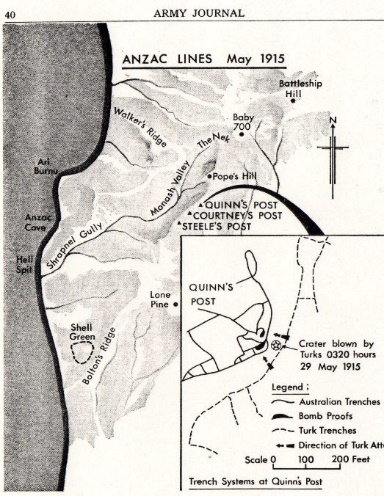 A letter from Base Records on 29 October 1919 to his mother at their East Brisbane address, saying it was their ‘painful duty to transmit herewith one form of Commission which has been issued by the British War Office covering the appointment of your son, the late Lieutenant T. Robertson, 15th Battalion, as a temporary 2nd Lieutenant, in the regular forces of the British Army. This refers to the first appointment to Commission and not to his later rank.’ She signed for it on 2 December 1919.
His memorial scroll was sent to his father on 12 July 1921. At some time a cemetery register was also despatched after a circular and booklet on graves was sent on 12 December 1919. On 3 September 1920 his 1914-15 Star was sent to the Commandant in the 1st Military District, as was his British War Medal on 6 May 1921. His Victory Medal was sent to his father on 12 September 1922. His father signed for his Victory Medal on 25 September 1922. The Memorial Plaque to Thomas was signed for by his father on 5 December 1922.
In The History of the 15th Battalion AIF 1914-1919 by Lieutenant T P Chataway records on pages 14 and 15: ‘During the late hours of Monday, April 28, to No. 10 Platoon under Lieut. Tom. Robertson which did not participate in the fighting upon the Razorback, but was in support to the troops holding the line behind Johnston’s Jolly, came disaster. An officer, now believed to have been a German in the guise of an English Engineer Major, approached Lieut. Robertson, and asked him if he belonged to the 15th Battalion. Upon receiving assurance that Robertson did, he then exclaimed: “Colonel Cannan said you were to go with me!” Suspecting nothing, Robertson detailed the number of men the “Major” required for the party and, leaving Sergeant S. L. Stormonth in charge of the remainder of the platoon, followed the stranger. With no knowledge of the country, the party quite unsuspectingly passed through the front line into No Man’s Land, and being shown a position were told to dig a line of trenches. The “Major” then left them and the lads, setting to work with a will, were down a little more than four feet by daylight. Some time after daylight, a Turk officer walked over to the trench and pointed out to the occupants that they were surrounded on three sides and had better surrender. Robertson said:” “No!” and firing his revolver into the Turk, gave the order for his men to get back as quickly as possible. When the men started their run back they found nearly two hundred yards of country ahead of them. The enemy’s machine guns opened fire, and seven men only managed to reach the Australian line. Robertson’s tall form was last seen to dodge behind a clump of bush, where he stopped and turned as if to see how his men were faring. The seven men who survived the trap were Corporal W. H. Nicholls, Privates Stan Cousens, H. Cooper, A. J. Small, R. T. Owens, H. L. L. L. Smith (who was badly wounded), and F. J. Merrell, who had an astonishing escape from death. Merrell had a bandolier slung across his back, and when half-way home a machine-gun bullet struck his bandolier, and cartridge after cartridge exploded, luckily inflicting only slight injuries. Two of these men, Corporal Nicholls (who was afterwards killed in France), and Private Jack Merrell, were to receive their commissions at a later date. H. L. L. Smith, who was shockingly wounded in the retirement, with a bullet in each thigh, a smashed shoulder and a bullet through the lungs, forwards the following version of what happened. The other version was supplied by Sergeant Stormonth, who stated he was with Robertson when the order arrived, and the other details were supplied to him by Nicholls and others after the incident:- “About dusk on the night of 26/4/15, Mr. Robertson and 28 volunteers were asked to go out on outpost duty, and were taken out to the position by a Staff Officer – a big, stoutly built, florid, light-haired man. When just in front of our lines I overheard Mr. Robertson ask: ‘Is this an order from H.Q.?’ and the Staff Officer replied, “Yes,” and then proceeded to take us out. We went out to the S.E. edge of Johnston’s Jolly, overlooking Legge Valley, and dug a shallow circular trench around a small rocky knoll, just over the edge of the Jolly. I should say from memory, about eight feet below the level of the Jolly. We stayed there that night, and waited till daylight, when we were supposed to be relieved, but no one came. In the meantime we had been exchanging shots with the Turks on our left front, and had been getting the best of it. The Turks then opened up with a couple of machine-guns from about opposite to us, and this kept our heads down, but did not stop some of the men from the back of the knoll spotting a company of Turks advancing up Legge Valley on our left. Still covered by intense machine-gun fire, the enemy advanced until opposite and just below us, and spread out in a half-moon shape, when the machine-gun fire stopped. A Turkish officer jumped up with us and called upon Mr. Robertson to surrender. Now, while keeping low under the intense machine-gun fire, Mr. Robertson had summed up the position, and told us we were in a tight corner, and that when the machine-guns stopped, to fire three rounds rapid at the enemy and then bolt for our lines. If any man dropped two men were to pick him up and take him to safety. When the Turk officer called upon Mr. Robertson to surrender, he said: ‘Surrender be damned,’ and shot the Turk officer with his revolver. Then hell broke loose, and we had to climb up the slope we were exposed to the enemy machine guns as well as rifle fire. We temporarily checked the enemy when we opened fire, but not for long, and most of us were either killed or wounded. I do not think Mr. Robertson ever left the trench alive, but whatever happened he certainly did not get anywhere near the line.”’
He is listed in the Nominal Roll as Lieutenant Thomas Robertson, 15th Battalion, KIA 27.4.15. His name also appears in the Annals of the Brisbane Grammar School as ‘Robertson, T. (1909). Lieut., 15th – Killed, Gallipoli, 27-4-15.’
His brother, J S Robertson, filled out the Roll of Honour of Australia in the Memorial War Museum. He filled out the Lieutenant Thomas Robertson, 15th Battalion, was chiefly connected with East Brisbane in Queensland. He had been born in Rockhampton and died on 27 April 1915 on Gallipoli. His calling was listed as ‘salesman – warehouse’, his age at time of death was 21 and his school was Boys Grammar Brisbane. No other details were entered other than his brother stating his address was “Wyetuh”, (sic) Mowbray Terrace, East Brisbane.
The Memorial at Mowbray Town Presbyterian Church Honour Roll 1914-1919 has his name on their honour board. The church also published a book, which includes his name as ‘ROBERTSON, Thomas, Lieutenant, “Wyetah,” Mowbray Street, East Brisbane.’ He is also in a list in the book under the heading ‘Men who have made the Supreme Sacrifice’. Unfortunately, it is no longer a church and has been sold a few times in the last twenty years. It is not known if the memorial is still in the building. The Presbyterian Church was at 22 Mowbray Terrace East Brisbane. The former church sold in November 2020 for $2,200,000.
A letter from Base Records on 29 October 1919 to his mother at their East Brisbane address, saying it was their ‘painful duty to transmit herewith one form of Commission which has been issued by the British War Office covering the appointment of your son, the late Lieutenant T. Robertson, 15th Battalion, as a temporary 2nd Lieutenant, in the regular forces of the British Army. This refers to the first appointment to Commission and not to his later rank.’ She signed for it on 2 December 1919.
His memorial scroll was sent to his father on 12 July 1921. At some time a cemetery register was also despatched after a circular and booklet on graves was sent on 12 December 1919. On 3 September 1920 his 1914-15 Star was sent to the Commandant in the 1st Military District, as was his British War Medal on 6 May 1921. His Victory Medal was sent to his father on 12 September 1922. His father signed for his Victory Medal on 25 September 1922. The Memorial Plaque to Thomas was signed for by his father on 5 December 1922.
In The History of the 15th Battalion AIF 1914-1919 by Lieutenant T P Chataway records on pages 14 and 15: ‘During the late hours of Monday, April 28, to No. 10 Platoon under Lieut. Tom. Robertson which did not participate in the fighting upon the Razorback, but was in support to the troops holding the line behind Johnston’s Jolly, came disaster. An officer, now believed to have been a German in the guise of an English Engineer Major, approached Lieut. Robertson, and asked him if he belonged to the 15th Battalion. Upon receiving assurance that Robertson did, he then exclaimed: “Colonel Cannan said you were to go with me!” Suspecting nothing, Robertson detailed the number of men the “Major” required for the party and, leaving Sergeant S. L. Stormonth in charge of the remainder of the platoon, followed the stranger. With no knowledge of the country, the party quite unsuspectingly passed through the front line into No Man’s Land, and being shown a position were told to dig a line of trenches. The “Major” then left them and the lads, setting to work with a will, were down a little more than four feet by daylight. Some time after daylight, a Turk officer walked over to the trench and pointed out to the occupants that they were surrounded on three sides and had better surrender. Robertson said:” “No!” and firing his revolver into the Turk, gave the order for his men to get back as quickly as possible. When the men started their run back they found nearly two hundred yards of country ahead of them. The enemy’s machine guns opened fire, and seven men only managed to reach the Australian line. Robertson’s tall form was last seen to dodge behind a clump of bush, where he stopped and turned as if to see how his men were faring. The seven men who survived the trap were Corporal W. H. Nicholls, Privates Stan Cousens, H. Cooper, A. J. Small, R. T. Owens, H. L. L. L. Smith (who was badly wounded), and F. J. Merrell, who had an astonishing escape from death. Merrell had a bandolier slung across his back, and when half-way home a machine-gun bullet struck his bandolier, and cartridge after cartridge exploded, luckily inflicting only slight injuries. Two of these men, Corporal Nicholls (who was afterwards killed in France), and Private Jack Merrell, were to receive their commissions at a later date. H. L. L. Smith, who was shockingly wounded in the retirement, with a bullet in each thigh, a smashed shoulder and a bullet through the lungs, forwards the following version of what happened. The other version was supplied by Sergeant Stormonth, who stated he was with Robertson when the order arrived, and the other details were supplied to him by Nicholls and others after the incident:- “About dusk on the night of 26/4/15, Mr. Robertson and 28 volunteers were asked to go out on outpost duty, and were taken out to the position by a Staff Officer – a big, stoutly built, florid, light-haired man. When just in front of our lines I overheard Mr. Robertson ask: ‘Is this an order from H.Q.?’ and the Staff Officer replied, “Yes,” and then proceeded to take us out. We went out to the S.E. edge of Johnston’s Jolly, overlooking Legge Valley, and dug a shallow circular trench around a small rocky knoll, just over the edge of the Jolly. I should say from memory, about eight feet below the level of the Jolly. We stayed there that night, and waited till daylight, when we were supposed to be relieved, but no one came. In the meantime we had been exchanging shots with the Turks on our left front, and had been getting the best of it. The Turks then opened up with a couple of machine-guns from about opposite to us, and this kept our heads down, but did not stop some of the men from the back of the knoll spotting a company of Turks advancing up Legge Valley on our left. Still covered by intense machine-gun fire, the enemy advanced until opposite and just below us, and spread out in a half-moon shape, when the machine-gun fire stopped. A Turkish officer jumped up with us and called upon Mr. Robertson to surrender. Now, while keeping low under the intense machine-gun fire, Mr. Robertson had summed up the position, and told us we were in a tight corner, and that when the machine-guns stopped, to fire three rounds rapid at the enemy and then bolt for our lines. If any man dropped two men were to pick him up and take him to safety. When the Turk officer called upon Mr. Robertson to surrender, he said: ‘Surrender be damned,’ and shot the Turk officer with his revolver. Then hell broke loose, and we had to climb up the slope we were exposed to the enemy machine guns as well as rifle fire. We temporarily checked the enemy when we opened fire, but not for long, and most of us were either killed or wounded. I do not think Mr. Robertson ever left the trench alive, but whatever happened he certainly did not get anywhere near the line.”’
He is listed in the Nominal Roll as Lieutenant Thomas Robertson, 15th Battalion, KIA 27.4.15. His name also appears in the Annals of the Brisbane Grammar School as ‘Robertson, T. (1909). Lieut., 15th – Killed, Gallipoli, 27-4-15.’
His brother, J S Robertson, filled out the Roll of Honour of Australia in the Memorial War Museum. He filled out the Lieutenant Thomas Robertson, 15th Battalion, was chiefly connected with East Brisbane in Queensland. He had been born in Rockhampton and died on 27 April 1915 on Gallipoli. His calling was listed as ‘salesman – warehouse’, his age at time of death was 21 and his school was Boys Grammar Brisbane. No other details were entered other than his brother stating his address was “Wyetuh”, (sic) Mowbray Terrace, East Brisbane.
The Memorial at Mowbray Town Presbyterian Church Honour Roll 1914-1919 has his name on their honour board. The church also published a book, which includes his name as ‘ROBERTSON, Thomas, Lieutenant, “Wyetah,” Mowbray Street, East Brisbane.’ He is also in a list in the book under the heading ‘Men who have made the Supreme Sacrifice’. Unfortunately, it is no longer a church and has been sold a few times in the last twenty years. It is not known if the memorial is still in the building. The Presbyterian Church was at 22 Mowbray Terrace East Brisbane. The former church sold in November 2020 for $2,200,000.

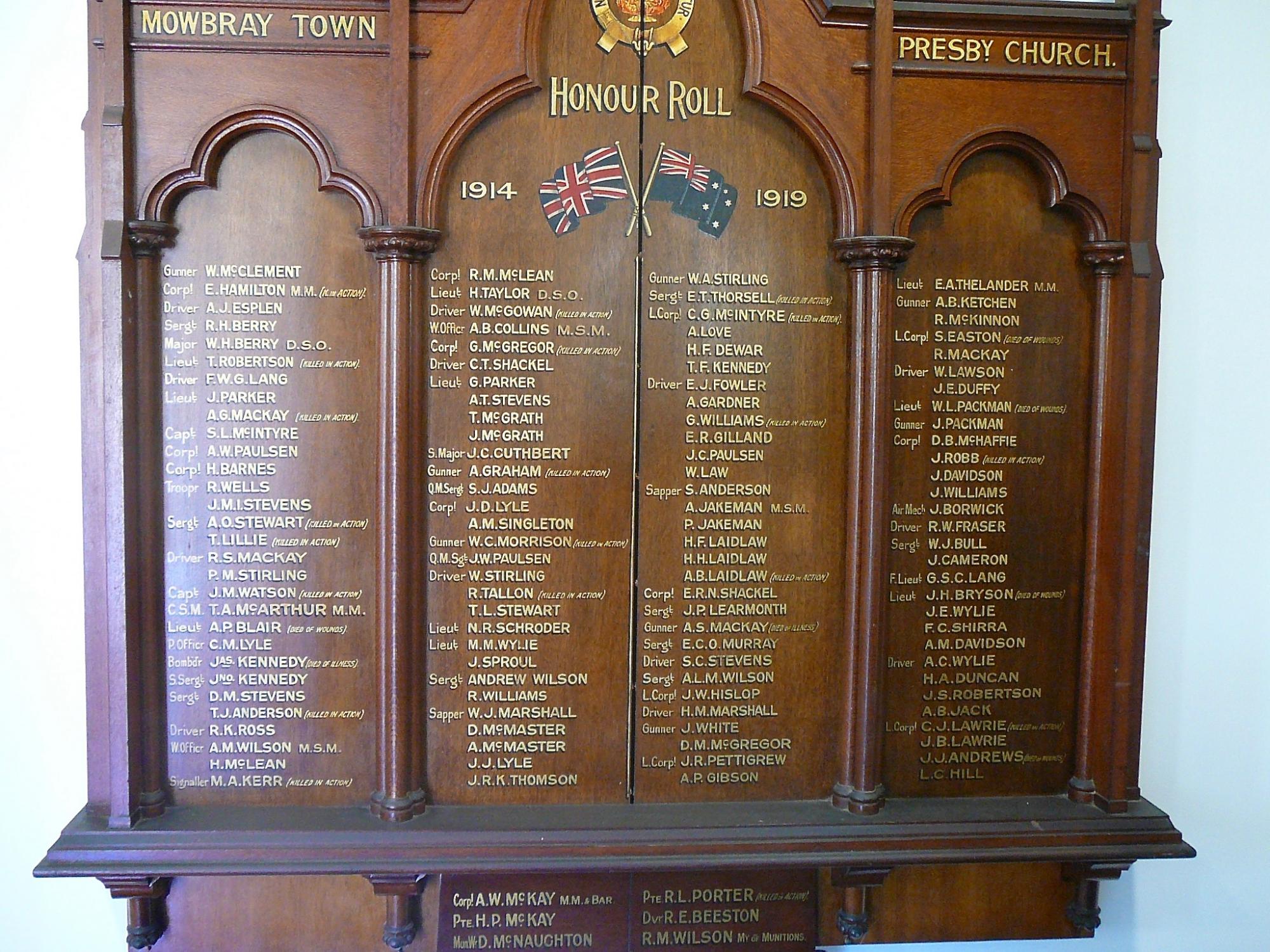
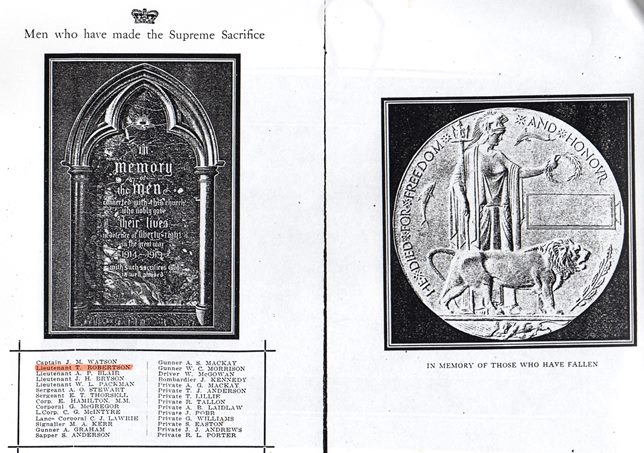 His name is recorded at the war memorial at East Brisbane and on the Lone Pine Memorial on Panel 43.
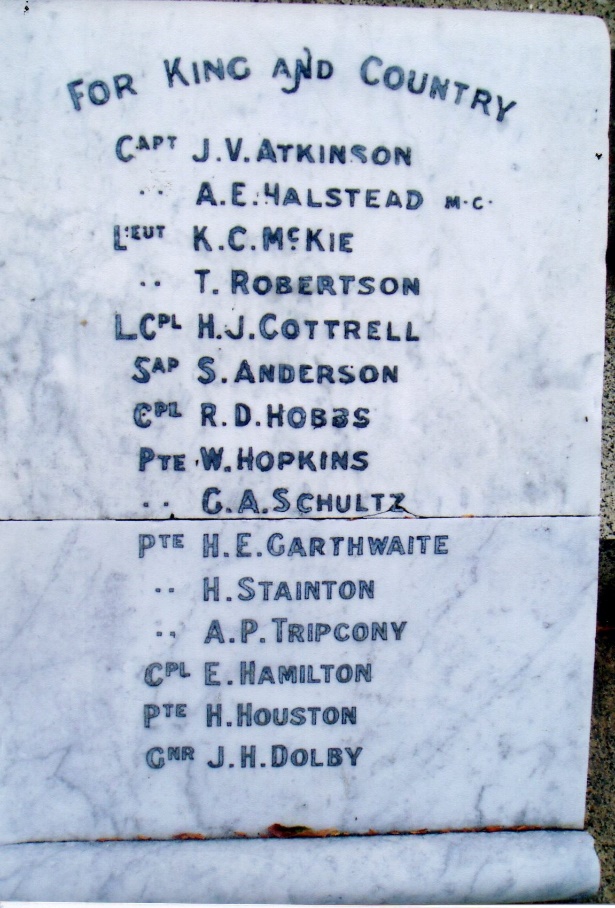
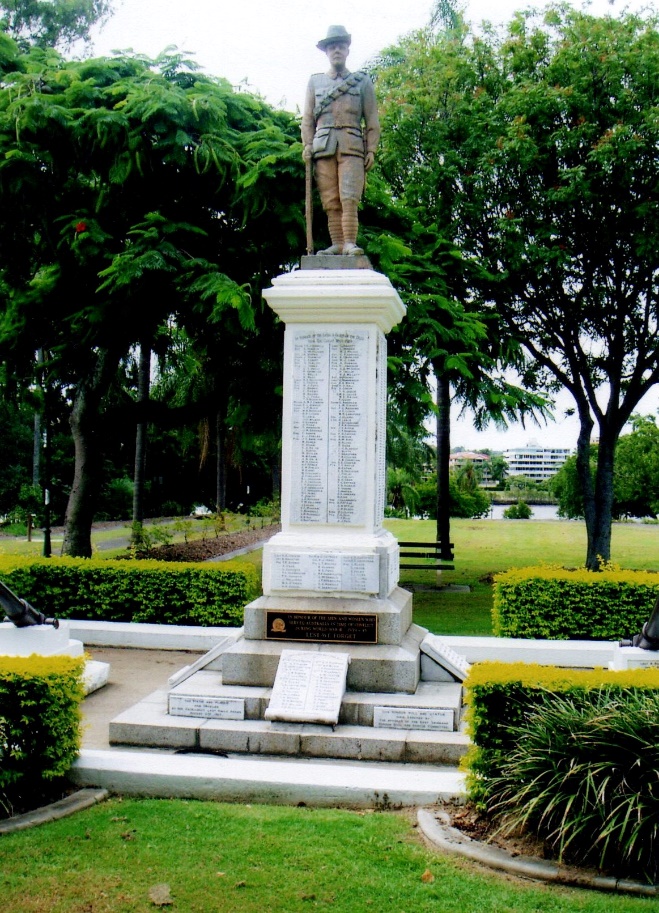
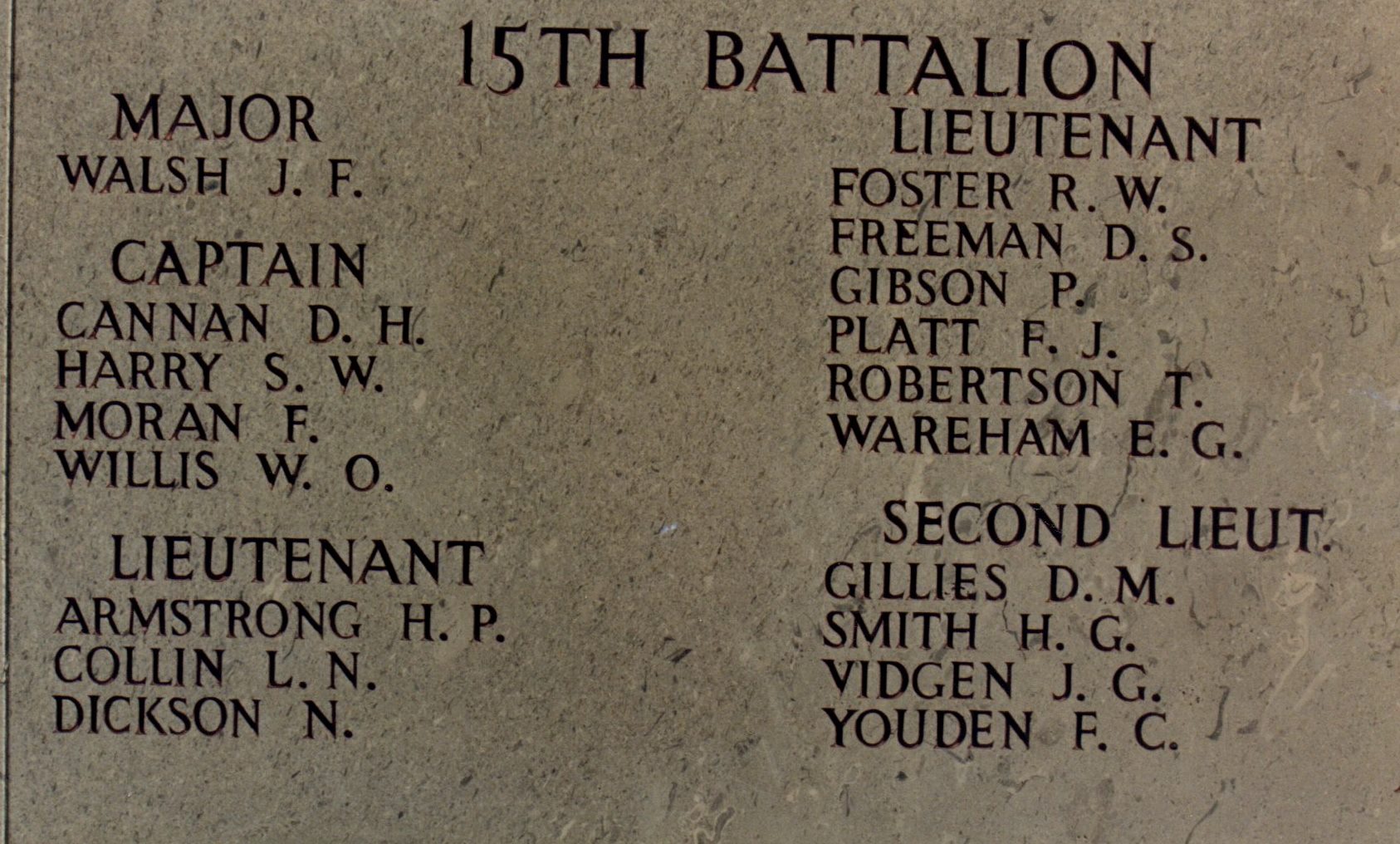 His will is at Queensland State Archives under 583, ITM2820546 and is open. An intestacy file is also open there under 501/1916, ITM451888. Both are accessed here –